The Association of Liberian Construction Contractors (ALCC) has urged President Joseph Nyuma Boakai to intervene in the growing exclusion of qualified Liberian-owned construction firms from public infrastructure projects. In an open letter dated September 21, the ALCC expressed concern that public infrastructure opportunities are frequently awarded to foreign-owned companies, leaving qualified local firms with limited access to projects they have the experience and capacity to execute. The Association emphasized that Liberian contractors face difficulties securing government contracts despite investing heavily in registration, certification, equipment, personnel, and other requirements.
The ALCC highlighted the financial burden Liberian contractors face to maintain legal and regulatory compliance, even when they have no active government contracts. A locally owned construction firm must spend at least US$2,202.50 in direct registration and certification fees alone, including US$50 for a Liberia Business Registry business certificate, US$150 for Articles of Incorporation, and US$1,400 for Ministry of Public Works CCCS certificates. These expenses exclude transportation, office maintenance, staff salaries, equipment acquisition and maintenance, bid preparation, and site visits, placing a significant burden on small and medium-sized Liberian firms.
The Association noted that limiting local contractors' access to public infrastructure projects could have consequences extending beyond individual businesses. Construction companies support a broad network of professionals and workers, including engineers, architects, surveyors, masons, carpenters, electricians, plumbers, and equipment operators. They also generate business for building-material suppliers, transport operators, workshops, food vendors, and other small enterprises. When local contractors collapse, workers lose income, suppliers lose customers, families struggle to pay school fees and rent, and government loses revenue from reduced formal employment.
The ALCC warned that without reasonable access to contracts, experienced local companies could lose skilled employees and equipment, creating a cycle in which they are considered too small for major projects while being denied the opportunities needed to expand. The Association emphasized that it does not oppose foreign contractors, acknowledging their capital and expertise, but argued that Liberia's infrastructure development agenda should also provide meaningful opportunities for domestic companies to grow, create jobs, and retain wealth within the local economy.
To address the concerns, the Association outlined several measures it wants the Boakai administration to consider, including full implementation of domestic preference and reservation measures when Liberian companies submit competitive bids. The ALCC also requested transparent review of Liberian firms' participation and success rates in public procurement, procurement requirements proportionate to project size, and greater transparency through accessible procurement plans, evaluation criteria, and contract award notices.
The Association called for access to financing and timely payment for certified work, including through engagement with commercial banks, properly structured joint ventures with clearly defined responsibilities, and genuine skills transfer to Liberian partners. The ALCC also requested a high-level meeting involving the Office of the President, the Ministry of Public Works, the Ministry of Finance and Development Planning, the PPCC, and the Association to develop a practical action plan.
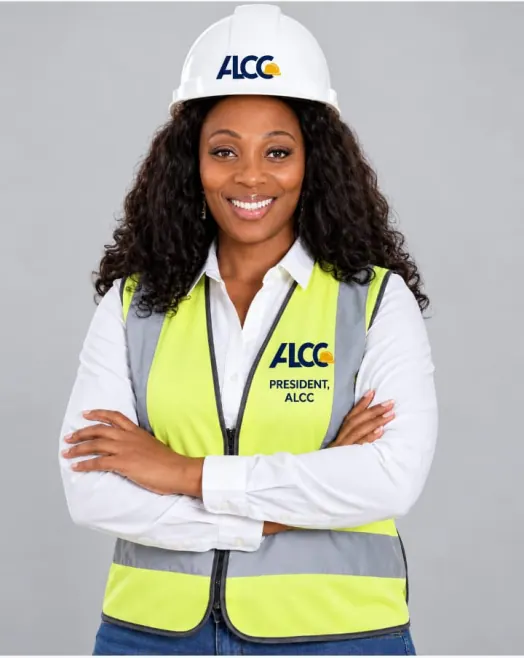
The ALCC reaffirmed its commitment to high standards, competitive procurement, quality construction, and accountability, expressing readiness to work with the government to improve performance and transparency in Liberia's construction sector. The Association's President, Kimberly K. Toure, emphasized that the nationality of a company should neither substitute for evidence of competence nor become a barrier to a qualified Liberian company's participation, adding that Liberian firms with proven ability should have a fair and meaningful place in building their own country.
Key points
- The Association of Liberian Construction Contractors urges President Boakai to address the exclusion of qualified Liberian-owned construction firms from public infrastructure projects.
- Liberian contractors face significant financial burdens to maintain legal and regulatory compliance, even without active government contracts.
- The ALCC requests measures including domestic preference, transparent review of procurement, and access to financing to support local contractors.