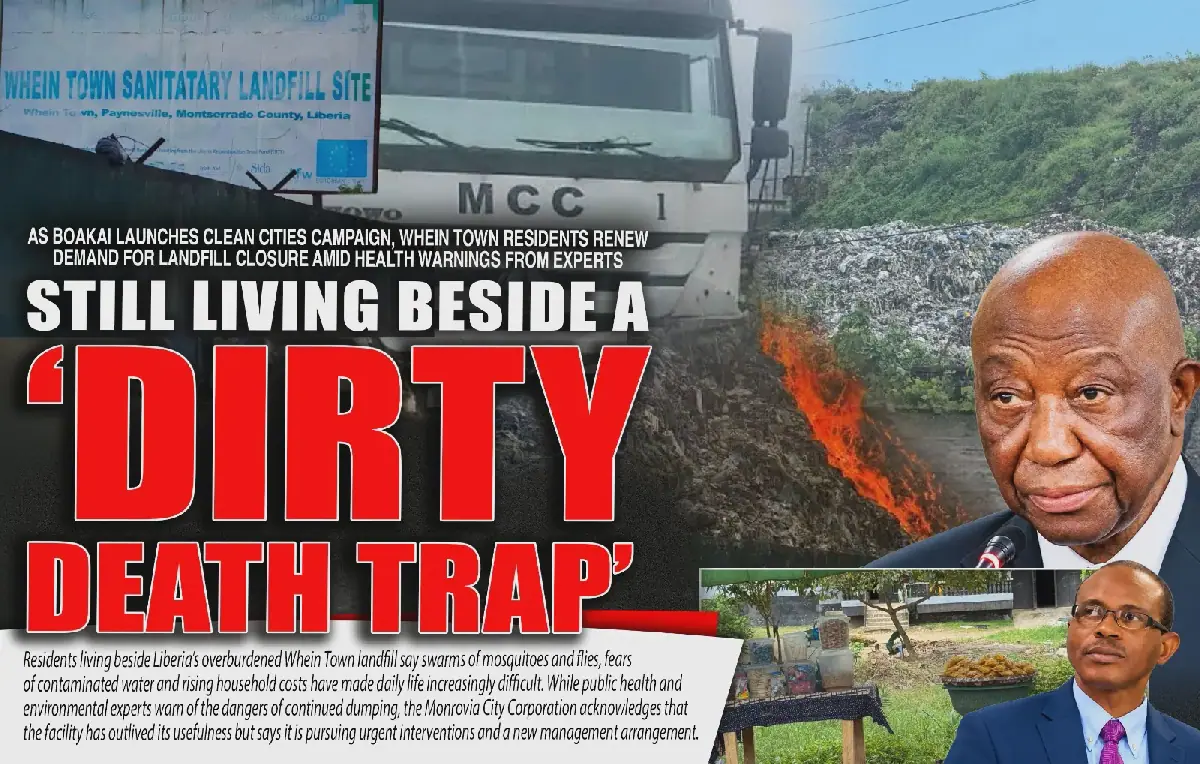
Residents of Whein Town, a community outside Monrovia, Liberia, are facing significant health and environmental challenges due to the presence of a massive garbage dump in their neighborhood. The Whein Town Landfill, established as a temporary solution to Liberia's urban waste problem, has been in operation for over 15 years, far exceeding its intended five-year lifespan. The continued dumping of garbage has left residents feeling abandoned by authorities responsible for managing the waste generated by Monrovia and Paynesville.
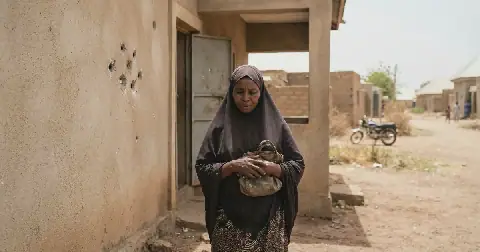
The landfill has become a source of frustration for residents, who say it has made their lives unbearable. They complain of swarms of flies and mosquitoes, foul-smelling water, and the presence of rodents and snakes, which have become a major concern for their health and well-being. The community's struggles are not limited to living near garbage; they also face challenges in securing clean water, protecting children from insects, and maintaining a livelihood in an environment that has become increasingly difficult to endure.
Residents have accused the government of failing to honor its commitment to close the landfill after its original five-year lifespan expired. They claim that the government has unleashed suffering on a large group of its people and feel they are being used as sacrificial lambs. Public health and environmental experts have warned that poorly managed landfills can expose nearby populations to serious risks, particularly when waste exceeds a facility's intended capacity.
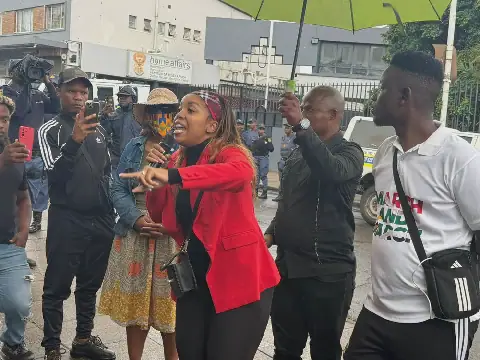
The Monrovia City Corporation, which manages the facility, acknowledges that the landfill has outlived its usefulness and is taking what it describes as "immediate, aggressive action" to address the situation. However, residents say those interventions have yet to resolve their most pressing concern: ending the dumping. They have previously protested activities they considered harmful to their community and have established a community monitoring team to observe activities at the landfill.
The community monitoring team, initially comprising eight residents, was established to give residents a measure of oversight. However, financial constraints eventually reduced the number of monitors to four, and their stipends have not been paid consistently. Residents say they remain willing to engage the government but believe authorities have repeatedly failed to follow through on commitments made to the community.
The residents' renewed complaints come as President Joseph Nyuma Boakai launches the Presidential Clean Cities Initiative, a nationwide sanitation program intended to support urban cleanliness, improve environmental health, and create employment opportunities for young Liberians. However, residents of Whein Town see the campaign as a troubling contradiction, as their neighborhood continues to receive mountains of garbage from Monrovia and Paynesville, despite longstanding concerns about the landfill's capacity and environmental condition.
The situation in Whein Town highlights the challenges faced by communities living near poorly managed landfills. Residents are calling for the closure of the landfill and for the government to take concrete actions to address their concerns. The government's response to the situation will be crucial in determining the future of the community and the health and well-being of its residents.
Key points
- Liberia's President Boakai launches clean cities campaign as Whein Town residents demand landfill closure amid health concerns.
- Whein Town Landfill has been in operation for over 15 years, far exceeding its intended five-year lifespan.
- Residents face significant health and environmental challenges due to the presence of the landfill, including mosquito-borne diseases and contaminated water sources.