Liberia's leading war crimes investigation group has relocated a senior investigator abroad due to repeated death threats connected to his work on the case of Moses Wright, a former Liberian army commander set to go on trial in the United States in November. The investigator received threatening text messages from sympathizers of Wright, prompting the organization to move him abroad for his safety. The threats have raised concerns about the safety of witnesses and investigators as Liberia moves toward establishing a War and Economic Crimes Court.
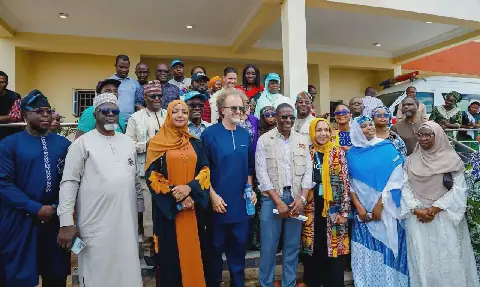
The head of the Global Justice and Research project, Hassan Bility, stated that the investigator had initially been relocated within Liberia before the threats escalated, and the organization eventually moved him abroad. The investigator had also received psychosocial counseling due to the trauma. The revelation came at the start of a two-day event to review the five-year strategic plan of the Witness Protection Agency, the government institution responsible for protecting witnesses, victims, and whistleblowers.
Experts say the threats highlight a growing challenge for Liberia's efforts to hold people accountable for crimes committed during its civil wars: protecting witnesses and investigators. The danger is taking on new urgency as Liberia moves toward establishing a War and Economic Crimes Court, which would depend heavily on witnesses willing to testify about atrocities committed decades ago. The Global Justice and Research Project and its Swiss partner, Civitas Maxima, have helped build cases in the United States and Europe against more than a dozen people accused of crimes connected to Liberia's civil wars.
The relocation comes about seven months after three armed men broke into the organization's compound in February. Bility stated that the investigator began receiving threats around the same time as the break-in and that the organization reported both matters to the Liberia National Police. However, the organization received no response from police to its complaints, leading them to conclude that relocating the investigator within Liberia was not sufficient.
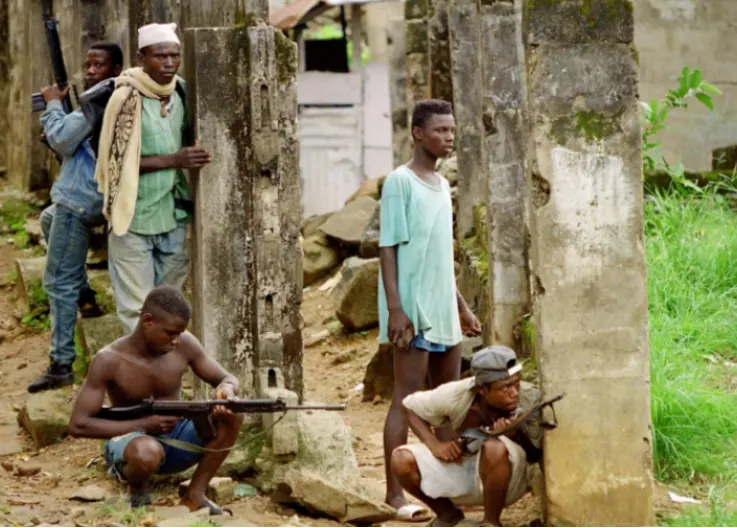
Liberia's police inspector general, Gregory Coleman, stated in a WhatsApp message that he would follow up on the complaints. Bility expressed concern about the safety of his staff but emphasized that the organization would not stop its investigations. Moses Wright, 73, a former commanding general of the Armed Forces of Liberia, has been accused of commanding the army during the 1990 St. Peter's Lutheran Church Massacre, one of the most notorious atrocities of Liberia's civil wars.
Wright is set to go on trial in the United States in November for allegedly committing criminal immigration fraud when he lied about his wartime conduct while seeking U.S. immigration benefits and citizenship. If convicted, Wright faces a maximum possible sentence of 165 years in prison and a US$7 million fine. The trial is a result of investigations and documentation by the Global Justice and Research Project and its partners, working with authorities in foreign jurisdictions.
The case highlights the challenges faced by Liberia's justice system in holding perpetrators accountable for crimes committed during the civil wars. The establishment of a War and Economic Crimes Court in Liberia would require significant protection for witnesses and investigators, who often face threats and intimidation from allies of accused perpetrators. The Global Justice and Research Project has previously relocated witnesses due to safety concerns and will continue to investigate and document crimes committed during Liberia's civil wars.
Key points
- The relocation of the senior investigator highlights the growing challenge of protecting witnesses and investigators in Liberia's efforts to hold people accountable for crimes committed during its civil wars.
- The threats against the investigator are linked to the upcoming trial of Moses Wright, a former Liberian army commander accused of masterminding the 1990 St. Peter's Lutheran Church Massacre.
- The case emphasizes the need for a War and Economic Crimes Court in Liberia, which would require significant protection for witnesses and investigators.