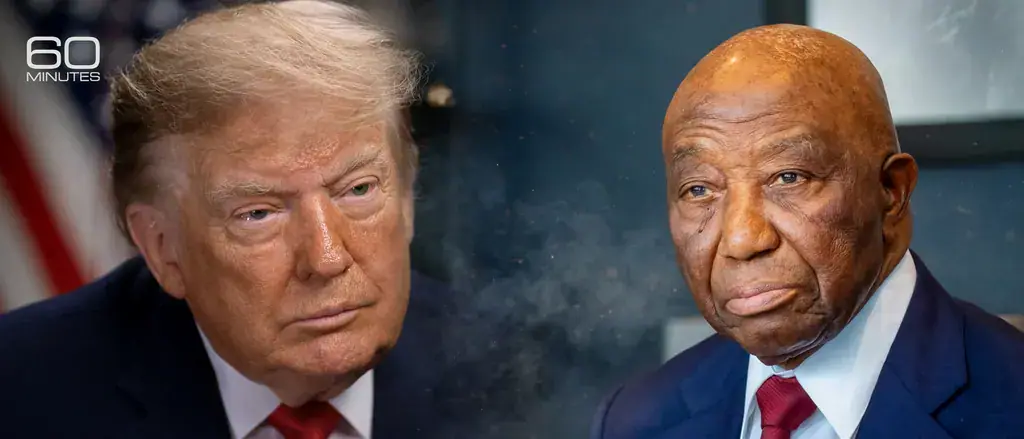
The Liberian government has enjoyed a favorable relationship with the US White House, receiving millions of dollars in "migration management" support and goodwill. However, this relationship may not be sustainable solely based on the current administration. The US State Department's 2026 Investment Climate Statement on Liberia highlighted corruption as a major obstacle to the country's democratic consolidation and economic growth. The report noted that multinational firms face unofficial fees and extortion, while political cronyism influences decision-making.
The US Congress has taken notice of Liberia's situation, with Senator Tim Kaine filing Senate Resolution 886 on September 23. The resolution requires the Secretary of State to report on Liberia's human rights record, including the treatment of deportees, and disclose agreements and financial transactions between the two governments. If the report is not delivered on time, US security assistance to Liberia will be frozen. The resolution's fate is uncertain, but the changing composition of Congress after the midterm elections may impact Liberia's relationship with the US.
The November 3 US midterm elections saw significant gains by Democrats in both chambers, which may alter the dynamics of US-Liberia relations. Senators who have raised questions about third-country deportation deals and secret payments will return with greater influence. A new Congress will be sworn in in January, and it would be a mistake for the Boakai administration to assume that a good relationship with one American president means a good relationship with the United States.
Liberia has experienced similar situations in the past, where governments have mistaken the favor of the US president for the friendship of the American people. However, relationships that have endured through wars, coups, and the Ebola outbreak have been built on broader foundations, including Congress, the diaspora, American churches, universities, and civil society. Members of both parties have kept Liberia on Washington's agenda, from aid packages to pressure for a war crimes court.
To maintain a stable relationship with the US, the Boakai administration is urged to take proactive steps before the new Congress is seated. This includes bringing the deportation agreement before the Legislature, as required by Article 34(f) of the Constitution, and publishing details on the number of deportees, their countries of origin, and the terms of the agreement. The government should also address discrepancies between its claims and US records regarding compensation for deportation support.
The Investment Climate Statement should be treated as a reform agenda, with the government addressing unofficial fees and captured state enterprises mentioned in the report. Engaging with both parties in Congress is also crucial, with Liberia's ambassador and lobbying efforts in Washington advised to spend as much time in Democratic offices as they do at the White House. Careful diplomacy is necessary to prepare for the Washington that comes next, not just the one in power today.
Some senators who will gain more power in January are already asking tough questions about Liberia, and Monrovia should prepare its answers before hearings begin. By taking these steps, the Boakai administration can maintain a positive relationship with the US while ensuring that Liberia's interests are protected and its sovereignty respected.
Key points
- Liberia's government should bring the deportation agreement before the Legislature and publish details on deportee numbers and terms.
- The US Congress will scrutinize Liberia's human rights record and financial transactions with the US.
- Liberia should engage with both parties in Congress to maintain a stable relationship with the US.