The World Bank Group has approved a $45.4 million loan for the Liberia Forest Economy Project (LiFE-P), aimed at strengthening forest governance, expanding community-managed forests, and creating jobs for people living off the forest. The loan, which includes a $5.4 million grant from the Global Partnership for Sustainable and Resilient Landscapes (PROGREEN) and a $40 million credit from the International Development Association (IDA), is expected to help Liberia tap into the potential of its forests for jobs, income, and climate resilience.
Liberia's forests have faced significant challenges, including weak governance, limited institutional capacity, and under-developed value chains. The country's timber industry has a history of controversy, with logs previously financing war and Private Use Permits being handed out without proper oversight. The UN Security Council banned Liberian timber in 2003, and it wasn't until 2006 that the ban was lifted.
The LiFE-P project aims to address these challenges by improving legal enforcement, open data, and digital traceability systems, as well as building the capacity of the Forestry Development Authority (FDA). However, concerns have been raised about the effectiveness of these efforts, given the FDA's history of receiving capacity-building funds without significant improvements.
To ensure the project's success, several conditions must be met. The Liberian Legislature must not rubber-stamp the credit agreement without reviewing the project's targets, budget, and procurement plan. The open data promised by the World Bank must be truly open, with every concession, community forest agreement, and payment to communities published transparently.
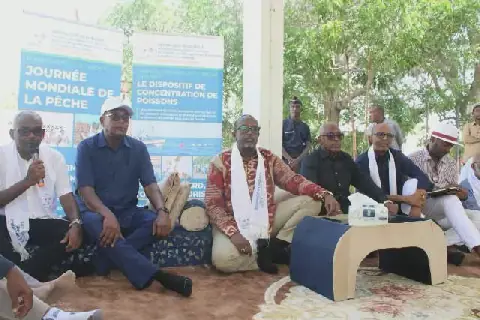
Community involvement is also crucial, with the project promising to support 20 Community Forest Management Areas and benefit around 110,000 people, including at least 45% women. To achieve this, women from these communities must be involved in decision-making processes and informed about the value of their forest.
Another key aspect is the creation of jobs, with the World Bank claiming that the project will help create 50,000 new jobs. However, the specifics of how these jobs will be created, over what period, and how they will be counted remain unclear. The Liberian people have been promised jobs by concessions before, only to see few, short-term, and poorly paid opportunities materialize.
Finally, accountability is essential, with someone needing to be responsible when things go wrong. With a project spanning eight to ten years and planned follow-on financing, it is crucial that there is transparency and accountability in the management of funds. If money is wasted or stolen, it is essential that someone is held accountable.
Key points
- The Liberian Legislature must review and approve the project's targets, budget, and procurement plan before the credit agreement is ratified.
- The World Bank's open data promise must be truly transparent, with all concessions, community forest agreements, and payments published openly.
- Community involvement and women empowerment are crucial to the project's success, with women from communities being involved in decision-making processes and informed about the value of their forest.