Liberia's push to establish war and economic crimes and anti-corruption courts has highlighted the critical role of the Witness Protection Agency in protecting witnesses, victims, and whistleblowers. The Agency, established by law in 2022 and operationalized nine months ago, faces significant challenges, including limited funding, a shortage of trained protection officers, and no safe house of its own. Director Teklo Maxwell Grigsby II emphasized the need for public trust in the Agency to succeed in its mission.
The Agency's mandate covers protection during investigations, pre-hearing proceedings, trials, and the post-trial period, including identity and physical protection, psychosocial counseling, and safe housing. Despite its critical role, the Agency struggles to convince Liberians to entrust sensitive information and potentially their lives to a government institution. Past experiences with institutions handling sensitive cases have contributed to fears about disclosing wrongdoing.
Some Liberian institutions, including the Liberia National Police and the Ministry of Justice, have mechanisms to provide protection and confidentiality for witnesses and victims. However, the Witness Protection Agency is the first institution specifically established to administer and coordinate a national program for their protection. The Agency is headed by Grigsby, a lawyer, with Varney Ali Sherif as deputy director and Frank S. Suku as coordinator and head of its secretariat.
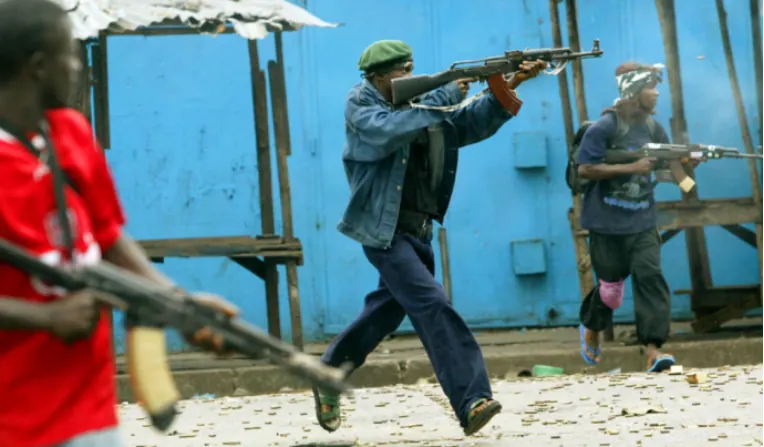
Hassan Bility, director of the Global Justice and Research Project, understands the concerns about trust, having faced harassment and intimidation himself and having worked with authorities in foreign jurisdictions to build cases against individuals accused of crimes connected to Liberia's civil wars. Bility stressed the need for experienced specialists to help develop Liberia's protection system and for a system that can protect witnesses and victims.
The Agency is working to expand protection services nationwide, including safe facilities for witnesses and victims who may testify before a future war crimes court. With funding from the European Union, the Office of the United Nations High Commissioner for Human Rights is providing financial and other support to the Agency, including an international expert to help strengthen its strategic five-year plan and align it with international standards.
The Boakai administration has pledged to strengthen protections for victims, witnesses, and whistleblowers, including reviewing the Whistleblower Act of 2021 and proposing amendments to increase rewards for whistleblowers and introduce bounties to encourage reporting of corruption and organized crime. The Agency has consulted government ministries, lawmakers, the media, and civil society about the proposed amendment.
The success of Liberia's broader justice push, including the proposed war and economic crimes courts, depends on the Witness Protection Agency's ability to deliver on its promises and build public trust. The Agency's challenges, including limited funding and capacity constraints, must be addressed to ensure that witnesses and victims feel safe coming forward to testify.
Key points
- The Witness Protection Agency faces significant challenges, including limited funding and a shortage of trained protection officers.
- The Agency is working to expand protection services nationwide, including safe facilities for witnesses and victims.
- The Boakai administration has pledged to strengthen protections for victims, witnesses, and whistleblowers, including reviewing the Whistleblower Act of 2021.