Liberia's recent achievement of crossing the US$1 billion domestic revenue mark has been celebrated by the government as a major fiscal milestone. According to President Joseph Nyuma Boakai, the revenue was mobilized through taxes, duties, fees, and other lawful payments from individuals and businesses during the first nine months of 2026. The President described the achievement as a historic milestone and emphasized the government's intention to ensure that the revenue translates into benefits for Liberians.
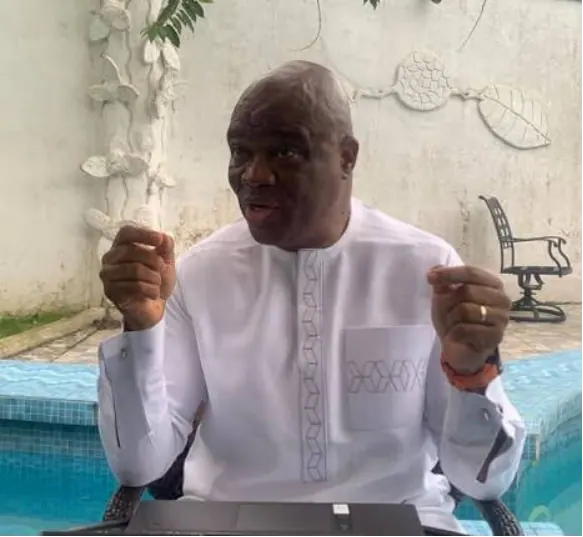
However, economist and politician Simeon Freeman has raised questions about the revenue system, claiming that approximately US$400 million is being removed from the economy through charges not reflected in the government's budgetary revenue figures. These charges include payments associated with port operations, terminal charges, shipping companies, tracking fees, and other costs incurred when goods enter Liberia. Freeman argues that these costs ultimately find their way into the prices Liberians pay for goods and services.
Freeman's analysis challenges the growing celebration around the government's record revenue performance, arguing that the headline figure alone does not tell the full story of Liberia's economic condition. He believes that if the cost of raising revenue is ultimately transferred to consumers through higher prices, ordinary Liberians may become poorer in real terms, even as the government increases revenue. Freeman's comments have sparked a renewed discussion about the impact of government revenue collection on the economy and the lives of Liberians.
The economist focused particularly on Liberia's import-dependent economy, arguing that official tax figures do not capture the full range of costs associated with moving goods into Liberia. Importers face customs-related taxes alongside port, terminal, shipping, tracking, and other charges, which accumulate and eventually become part of the price paid by consumers. Freeman's specific estimate of US$400 million in unbudgeted charges is still subject to independent verification.
Freeman linked government revenue collection to the everyday economic struggles facing Liberians, including rising transportation costs, food prices, rent, and education expenses. He argued that when the government collects revenue, it often spends it on itself, rather than on the citizens. The International Monetary Fund (IMF) has reported that Liberia's recent revenue performance has been supported by stronger income and international trade taxes, among other sources.
Freeman also expressed concern about Liberia's debt, arguing that a significant portion of the government's fiscal resources is already committed to servicing debt. The FY2026 budget and subsequent fiscal planning have placed substantial emphasis on debt management, while the IMF has continued to monitor Liberia's debt position as part of its economic program. Freeman warned that revenue growth without corresponding growth in production, investment, and household incomes may not fundamentally transform the economy.
President Boakai has emphasized that the billion-dollar milestone must ultimately translate into tangible improvements in the lives of Liberians. Freeman's analysis serves as a reminder that the revenue story is more complex than the headline figure and that the impact of government revenue collection on the economy and citizens' lives requires closer scrutiny. The government's revenue achievement has significant implications for Liberia's economic development and the well-being of its citizens.
Key points
- Economist Simeon Freeman claims US$400 million is being "squeezed" from Liberia's economy through unbudgeted charges.
- Freeman argues that government revenue collection is linked to everyday economic struggles facing Liberians.
- The government's US$1 billion revenue milestone has significant implications for Liberia's economic development and citizens' lives.