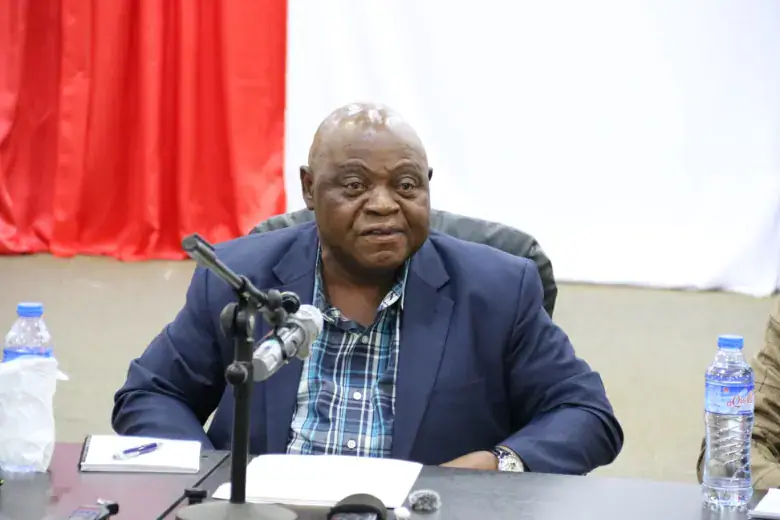
The National Elections Commission of Liberia is requesting nearly $90 million to fund the country's 2029 Presidential and Legislative Elections. The proposed budget, which has been submitted to the National Legislature and the Ministry of Finance and Development Planning, stands at $89,545,353.92. This represents a 40 percent increase from the cost of the 2023 General Elections. The commission's chairman, Jonathan K. Weedor, announced the proposed budget at a press conference in Monrovia.
The increased budget is largely driven by the expansion of Liberia's electoral infrastructure. The number of voting precincts is expected to rise from 2,080 in 2023 to 2,500 in 2029, adding 420 precincts nationwide. This expansion aims to accommodate a projected 2.7 million eligible voters during the voter registration exercise scheduled for the first quarter of 2028. The commission also anticipates approximately 10,000 polling places across the country, based on an average of four polling places per precinct.
The commission plans to procure over 10,000 biometric voter verification devices to enhance voter identification and prevent multiple voting. Additionally, Starlink internet services are expected to improve connectivity between the NEC headquarters and its field offices across the country. These investments are critical to improving the administration of the elections. The proposed budget is divided into three phases covering 2027, 2028, and 2029.
The first phase, covering 2027, is estimated at $32.5 million and will primarily finance the procurement of biometric equipment required for voter registration. The commission says the funding should be made available by March 2027 to avoid delays in the procurement process. The second phase, valued at approximately $12.9 million, will cover the 2028 voter registration exercise, including personnel costs and the deployment and retrieval of electoral materials.
The third phase, covering 2029, is estimated at $44.1 million and will finance ballot-related activities, personnel, and other operational expenses associated with the elections. The proposed budget also includes provisions for a possible presidential run-off election, should one become necessary. Beyond election logistics, the commission says the funding will support civic and voter education, geographical information services, public communications, political affairs, and stakeholder engagement.
In addition to the three-year electoral budget, the NEC has submitted a proposed 2027 recurrent budget of $14,374,284.92 to support its institutional operations and infrastructure development. The proposed recurrent budget includes the construction of a modern NEC data center to strengthen information storage, processing, management, and security. The commission also plans to construct 17 guesthouses across 14 of Liberia's 15 counties to address accommodation challenges faced by electoral personnel.
The proposed allocations are intended to ensure early planning, adequate logistical preparation, and improved electoral administration ahead of the next national polls. Both the proposed electoral budget and recurrent budget remain subject to review and approval by the relevant authorities. The 2029 general elections are still more than two years away, but the NEC is taking steps to ensure a smooth and transparent electoral process.
Key points
- The National Elections Commission of Liberia proposes a $90 million budget for the 2029 Presidential and Legislative Elections.
- The budget increase is driven by the expansion of voting precincts and the introduction of biometric voter verification equipment.
- The commission also seeks an additional $14.3 million for its 2027 recurrent budget to support institutional operations and infrastructure development.