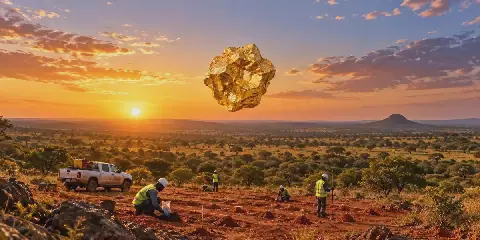
The Environmental Protection Agency (EPA) of Liberia is warning citizens to prepare for a hotter dry season due to the ongoing El Niño in the Pacific Ocean. Satellite observations indicate that crops in seven counties, including Sinoe, Grand Kru, Grand Gedeh, Grand Bassa, Rivercess, River Gee, and Grand Cape Mount, are experiencing signs of stress due to insufficient water. Sinoe has recorded the highest share of stressed cropland, with about seven out of every ten hectares affected.
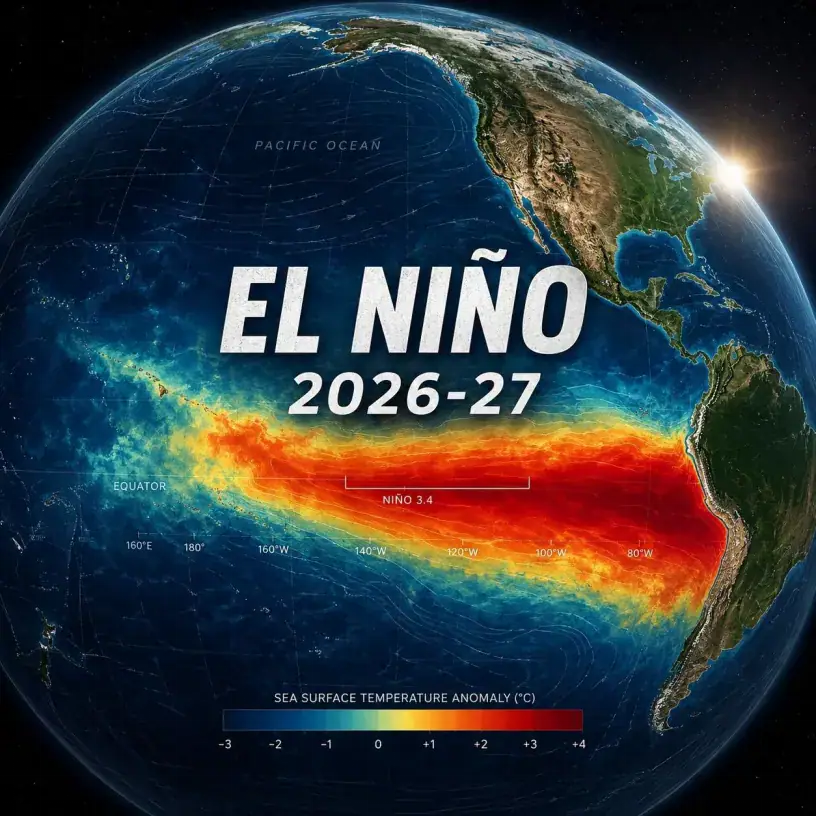
El Niño is a natural phenomenon that occurs every few years, characterized by the warming of part of the Pacific Ocean. It begins when steady winds that push warm surface water from South America toward Asia weaken, allowing warm water to spread back toward South America. This change in ocean temperatures affects winds and weather patterns thousands of miles away, leading to varied impacts on global climate conditions. This year's El Niño event started in June 2026 and strengthened into November, with predictions of it remaining strong or very strong through January to March 2027.
The effects of El Niño are being felt worldwide, with increased rain in the central and eastern Pacific, and decreased rain in Indonesia. In Africa, East Africa, including Kenya, is expected to experience heavy rain and flooding, while southern Africa, including Zimbabwe, may face drought-like conditions. For Liberia, regional forecasts indicate hotter-than-usual conditions during the dry season, with varying timing of rain and dry spells across different areas.
Climate change is also playing a role in the current El Niño event. While El Niño has occurred naturally for centuries, human-caused climate change has raised global temperatures, making hot periods more dangerous. Scientists are still studying the extent to which climate change affects the strength of individual El Niño events. The EPA is urging Liberians to take precautions to mitigate the impacts of the dry season, including drinking safe water regularly, resting in the shade on hot days, and checking on vulnerable neighbors.
The EPA has identified areas of dryness on at least one-quarter of the cropland in seven counties between October 23rd and November 1, 2026. These satellite readings help agriculture officers prioritize farm visits to assess crop conditions and determine if farmers have lost any harvest. A prolonged dry spell can lead to lower water levels in wells and creeks, increased risk of bushfires, and reduced river water available for electricity generation.
To prepare for the dry season, families and communities are advised to listen to seasonal forecasts and consult with local agriculture extension officers before planting. They should also be prepared for potential dry spells following the first shower of rain, which can affect crops. Communities are encouraged to report low water levels in wells or broken hand pumps to community leaders to arrange repairs or identify alternative water sources.
The EPA has established a public early-warning platform that covers all 15 counties and is updated daily, providing critical weather updates and warnings from the National Disaster Management Agency. Community radio stations, chiefs, and town criers are also being utilized to disseminate information to farmers and families without internet access. By taking proactive measures, Liberians can reduce the risks associated with the dry season and minimize the impacts of El Niño.
Key points
- The EPA warns that El Niño will bring hotter-than-usual conditions to Liberia during the dry season.
- Seven counties in Liberia have shown signs of crop stress due to insufficient water.
- The EPA has established a public early-warning platform to provide critical weather updates and warnings.