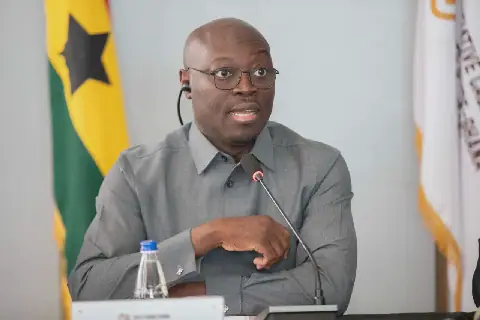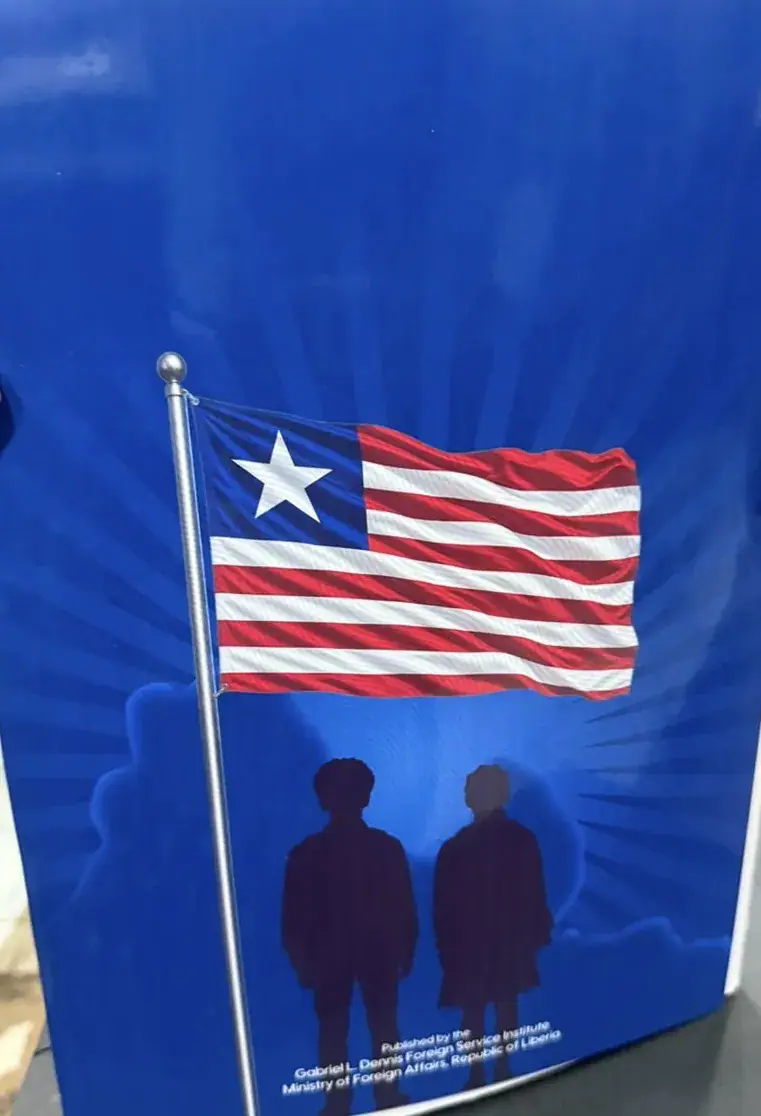
A new publication, Negotiating Peace in Liberia, has been launched, bringing together 16 peace agreements negotiated between 1990 and 2003. The publication provides researchers, policymakers, diplomats, and future generations with a consolidated historical record of Liberia's peacebuilding efforts. The launch ceremony was attended by President Joseph Nyuma Boakai, senior government officials, members of the diplomatic corps, and other distinguished guests.
The publication was initiated by Dr. Aaron Weah, a lecturer at the Foreign Service Institute (FSI), while redesigning a course on Introduction to Negotiation and Conflict Resolution in 2025. Weah proposed using Liberia's own experience of civil wars, failed peace initiatives, and eventual peace agreement in Accra to help students understand the theories and practical realities of negotiation and conflict resolution.
The team, led by Weah, worked to locate, retrieve, and consolidate the historical documents. They initially searched the archives of the Ministry of Foreign Affairs but found only a few copies of the agreements. The documents were eventually located through a United Nations-managed online repository that archives peace agreements from around the world.
The Compendium has two principal objectives: to bring all 16 agreements together in one publication and preserve their original wording and form as much as possible. However, the compilation process presented challenges, particularly when converting the original PDF documents into Microsoft Word files. The team also discovered spelling errors, inconsistent acronyms for warring factions, and inaccuracies in the names of certain locations and former African leaders.
The Compendium organizes the 16 agreements into four phases: Pre-Cotonou, Cotonou, Post-Cotonou, and the Accra agreements. The Pre-Cotonou phase represents the first stage of ECOWAS-led diplomatic efforts to end Liberia's civil war. The nine agreements under this phase include the ECOWAS Peace Plan, also known as the Banjul Communiqué of August 7, 1990, and the Geneva Ceasefire of July 17, 1993.
The Accra Comprehensive Peace Agreement of August 18, 2003, marked a turning point in Liberia's peace process. Weah described the Accra process as the culmination of successive peace initiatives and the most far-reaching attempt to establish a comprehensive framework for ending Liberia's civil wars. The agreement provided for a civilian transitional government chairperson who was not formally aligned with any of the factions.
The publication of Negotiating Peace in Liberia aims to provide valuable lessons on Liberia's repeated failed peace initiatives. Weah highlighted the role of women's groups and other civil society organizations in the Accra negotiations, describing their participation as an important factor in the success of the agreement. The Compendium is expected to serve as a resource for researchers, policymakers, and diplomats seeking to understand the complexities of Liberia's peacebuilding efforts.
Key points
- The Compendium preserves the original wording and form of the 16 peace agreements, including errors and inconsistencies.
- The publication is organized into four phases: Pre-Cotonou, Cotonou, Post-Cotonou, and the Accra agreements.
- The Accra Comprehensive Peace Agreement of August 18, 2003, marked a turning point in Liberia's peace process.