Liberia's President Joseph Nyuma Boakai recently announced that the country had reached a historic $1 billion domestic revenue milestone, but the celebration was short-lived as experts, former government officials, and market vendors expressed skepticism and concern. They warned that framing the annual intake as a sudden windfall creates a false sense of national prosperity and that the public needs to understand how the revenue was spent. The Liberia Revenue Authority (LRA) released statistical figures on cumulative tax collections, but financial analysts emphasize that revenue collection is a fluid process where incoming funds are immediately disbursed.
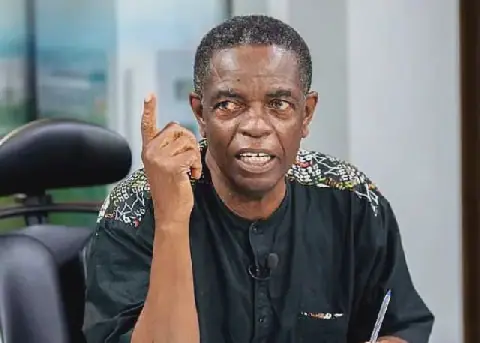
Former Minister of Education George Kronnisanyon Werner addressed the public confusion, explaining that revenue collection and spending are not static processes. He used a local refrain, "Money finished, Go Home!", to illustrate that the government has been spending revenue as it came in, and the announcement does not mean a fresh billion dollars is available for new demands. Werner warned that failing to clearly explain this distinction creates severe political risks for the government when citizens begin demanding immediate benefits from funds that have already been expended.
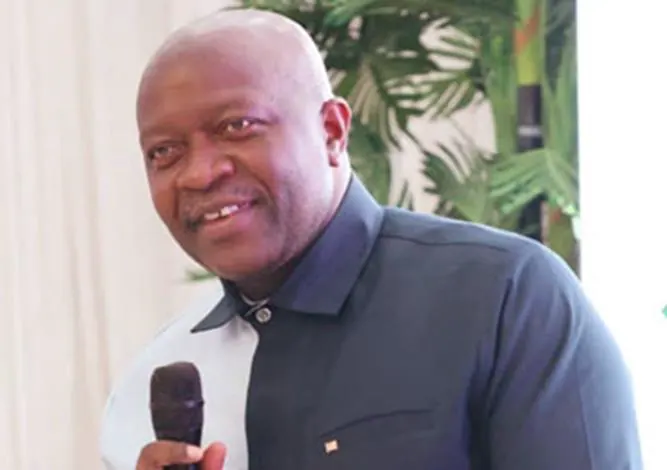
Renowned Liberian development economist Samuel Jackson added to the skepticism, arguing that the administration is conflating total intake with core domestic tax collection. He warned that padding revenue totals with non-recurring or externally dependent funds distorts the country's actual fiscal health. Jackson urged that someone needs to teach Liberians the true meaning of domestic resource mobilization, emphasizing that core tax revenue is below $800m and cannot be celebrated as $1bn.
The announcement has also sparked criticism from political opposition figures, who accuse the executive of engaging in political theater over routinely executed budget operations. Youth empowerment activist and opposition figure Wantoe Teah Wantoe sharply criticized the framing of the figures, stating that it is hilarious for a sitting President to seemingly be unaware that his government has already spent the national budget.
Ordinary Liberians have expressed frustration over what they describe as a stark disconnect between high-level fiscal reporting and the harsh daily realities of survival. Despite official reports of macroeconomic expansion, basic economic indicators on the ground remain grim for average households, where prices for essential food items and household goods continue to place severe pressure on family budgets.
Citizens are demanding visible benefits from the revenue collected, with local trader Hannah Kollie stating that they keep hearing about billions on television, but when they go to the market, a bag of rice is still expensive, school fees are rising, and their children cannot find work. Policy commentators note that even Finance Minister Augustine Kpehe Ngafuan previously cautioned that reaching the $1 billion threshold would not mean "milk and honey is flowing on Broad Street".
Analysts contend that until higher revenue collection translates into lower commodity prices, functional infrastructure, and tangible job creation, landmark budget declarations will continue to read like a political fairy tale to those fighting to make ends meet. The skepticism and calls for transparency highlight the need for the government to provide a clear accounting of what was raised, what was spent, and what remains.
Key points
- The Liberian government's $1 billion revenue milestone has sparked skepticism among experts and citizens.
- Experts warn that framing annual intake as a sudden windfall creates a false sense of national prosperity.
- Citizens demand visible benefits from the revenue collected, citing high prices, unemployment, and poverty.