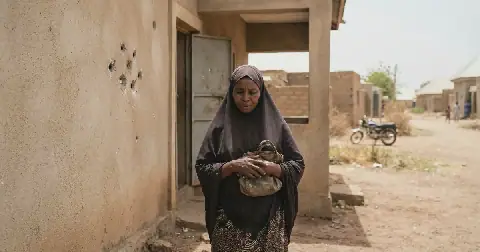
In rural Liberia, women who were supposed to benefit from a 2023 fund meant to support vulnerable small businesses are expressing frustration and anger over the alleged theft of the money by government officials. The fund, which was part of the Rural Women Empowerment Program, was intended to help women like MissionMai Sam, a 48-year-old mother of eight who relies on her coconut and palm farm to make a living. Sam is among those who have been waiting for support that never materialized.
The Asset Recovery and Property Retrieval Task Force indicted seven people in April over the alleged diversion of money from the 2023 Vulnerable Small Business Support Program. Those charged include former Commerce Minister Mawine G. Diggs and officials connected to the ministry, the National Rural Women Structure of Liberia, and the Liberia Marketing Association. Court filings revealed that $493,000 and over LRD 190 million (approximately $1.2 million) was budgeted and disbursed but did not reach the beneficiaries.
The case has become a test of President Joseph Boakai's anti-corruption drive, which was launched in March 2024 with the creation of the Task Force to trace and recover stolen public assets. Since then, the Task Force has announced four rounds of indictments covering over 60 cases and tens of millions of dollars in alleged theft. However, despite these efforts, the case has yet to go to trial, leaving many to wonder if justice will be served.
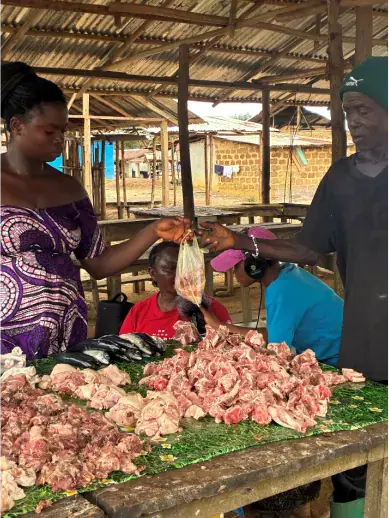
Women in River Cess, where some of the intended recipients live, say the money could have helped them expand their farms, keep their children in school, and become less dependent on others. Jestina Johnson, a 20-year market woman, says she heard vague talk about the fund but never received any support. Johnson, who supports six children, wants justice, not just arrests, and is calling for those responsible to be held accountable.
Even county authorities tasked with distributing the funds claim they knew nothing about the project. Oretha W. Carlos, who coordinates the Gender Ministry's work in River Cess, says she learned about the fund from a reporter, not from the government she serves. Carlos expressed concern that money intended to help rural women was sent and then kept in other people's hands.
Task Force officials are urging the community to be patient, saying the indictment is only the start of a process that must move through the courts according to Liberian law before assets can be forfeited. The Task Force's public relations officer, Joseph Daniels, blames the delays on an overloaded Criminal Court 'C', which handles corruption cases, and a nine-month Supreme Court stay that temporarily froze the Task Force's authority.
The case highlights the need for a dedicated anti-corruption court to handle cases like this one. President Boakai submitted a National Anti-Corruption Court bill to the Legislature in May 2026, but the proposal has moved slowly. Supporters argue that a specialized court could reduce the burden on Criminal Court 'C' and move corruption cases faster, bringing justice to those who need it most.
Key points
- The Asset Recovery Task Force indicted seven people over the alleged diversion of $1.7 million meant for rural women.
- The case has yet to go to trial, despite being indicted in April.
- A dedicated anti-corruption court is being proposed to handle cases like this one.