The Liberia Pharmacy Board (LPB) has launched a nationwide crackdown on medicine stores, with inspectors fanning out across the country to ensure compliance with regulations. According to Dr. Menmon P. Z. Dunah, the LPB's Chief Executive Officer, the board is mandated to regulate the practice of pharmacy and pharmaceutical services in Liberia, protecting public health and safety. The LPB's efforts aim to improve access to safe, effective, and quality-assured medicines, strengthening the country's healthcare system.
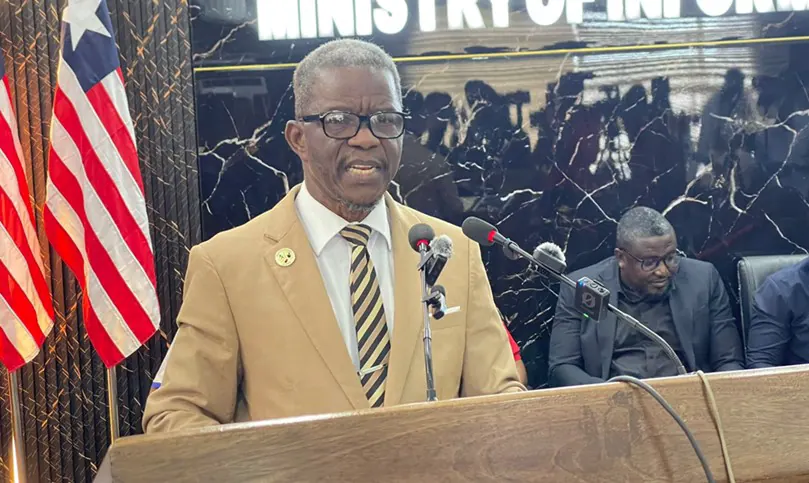
Dr. Dunah outlined the LPB's regulatory reforms, achievements, and ongoing initiatives at the Ministry of Information's regular press briefing. He emphasized that effective pharmaceutical regulation is crucial to the Government of Liberia's development agenda, particularly in good governance, human capital development, and improved access to healthcare. The LPB, established in 1967 and approved in 1976, is responsible for licensing and supervising pharmacies, registering pharmacy technicians, and inspecting pharmacies and medicine stores.
The LPB's responsibilities include developing and enforcing standards for safe pharmaceutical services, supervising pharmacy internship programs, and promoting continuing professional education. Dr. Dunah disclosed that the board has intensified enforcement through the validation and harmonization of regulatory guidelines, standards, and standard operating procedures applicable to pharmaceutical outlets. Pharmaceutical premises are inspected to determine whether they meet established standards before permits are issued for their operation.
The LPB conducts investigative, routine, and other forms of inspection of pharmacies and medicine stores, ensuring that licensed professionals working in pharmacies possess the required education and competency. Dr. Dunah said enforcement measures have been taken against illegal pharmaceutical operations, including unauthorized openings and operations of pharmaceutical outlets and the possession or distribution of substances considered harmful to the public.
Community pharmacies are increasingly important to Liberia's primary healthcare system, providing accessible points of contact between patients and qualified pharmaceutical professionals. Research indicates that more than half of people who feel sick may initially seek assistance at the community-pharmacy level. Properly regulated community pharmacies can help reduce public exposure to unlicensed medicine sellers and substandard or falsified medicines.
The LPB, in collaboration with the National AIDS Control Program (NACP) and international partners, has supported direct drug-delivery services for people living with HIV through selected pharmaceutical facilities that meet established quality standards. Medicines are strategically placed in communities with significant populations of people living with HIV to make access easier, improve adherence to medication, and contribute to better health outcomes.
Despite these efforts, the LPB faces challenges, including shortages of money, transport, equipment, and staff. The board has one regional office, in Nimba County, and wants three more to effectively carry out its mandate. Dr. Dunah warned the public away from street medicine sellers altogether, emphasizing that medicine stores that give injections, drips, or deliveries risk immediate closure.
Key points
- The Liberia Pharmacy Board is intensifying nationwide regulation, inspection, and enforcement within Liberia's pharmaceutical sector.
- The LPB is committed to applying regulations fairly, transparently, and consistently while protecting legitimate pharmaceutical businesses.
- Community pharmacies are increasingly important to Liberia's primary healthcare system, providing accessible points of contact between patients and qualified pharmaceutical professionals.