For decades, Liberia's courthouse has been perceived as two separate entities: one for those who can afford to navigate the system and another for the majority who cannot. This divide has been fueled by years of war, weak institutions, and allegations of bias on the bench. However, under the leadership of Chief Justice Gbeisay, the judiciary is taking steps to change this narrative.
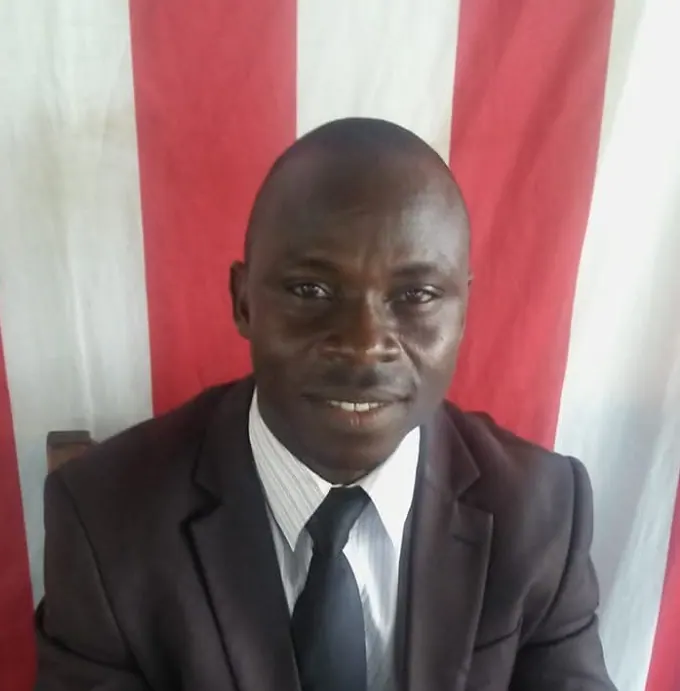
Stipendiary Magistrate Richard M. Dafuwah, who took over the Gbarnga Magisterial Court in Bong County, has been instrumental in bringing justice closer to the ordinary citizen. Unlike his predecessor, Dafuwah is known for taking the time to listen to both parties, testing whether disputes can be resolved through dialogue rather than confrontation. This approach has earned him praise from residents, who feel that they are being taken seriously and treated with dignity.
A notable example of Dafuwah's approach is the health worker protests that spilled into legal territory. Instead of allowing the situation to escalate, Dafuwah worked to de-escalate the tensions, engaging both sides directly and creating space for a resolution. This approach is in line with court-based mediation, which aims to use the authority of the bench to facilitate dialogue and resolution, rather than simply handing down a ruling.
The impact of Dafuwah's approach extends beyond individual cases. By treating people with respect and giving them a voice, he is helping to rebuild trust in the justice system. Residents argue that this approach doesn't soften justice, but rather expands what justice is capable of doing. As one community member noted, people don't just want a ruling; they want to be seen and treated with respect along the way.
Dafuwah's reputation is rising at a time when Liberia's judiciary is pushing to make courts more present and credible outside Monrovia. In September 2026, the Judiciary formally seated 73 newly appointed magistrates across all 15 counties, a move aimed at extending access to justice into remote areas. Additionally, Chief Justice Gbeisay announced a performance-based evaluation system to reward professionalism and accountability among judges and magistrates.
The success of these reforms will be measured by the impact on ordinary citizens. For most Liberians, the magistrate down the street is the face of the justice system, and their experience with the magistrate will shape their perception of the institution. A citizen who leaves a courtroom feeling heard is more likely to trust the next institution they encounter, while a citizen who feels dismissed may lose faith in the system altogether.
While Dafuwah's approach has earned him praise, it's essential to note that a magistrate's job is not to be popular, but to apply the law. His long-term legacy will depend on the consistency of his rulings, his independence from outside pressure, and his fidelity to due process. Nevertheless, his approach serves as a proxy for a larger demand for fairness, access, and timeliness in the justice system.
Key points
- The judiciary is working to make courts more accessible and credible outside Monrovia.
- Stipendiary Magistrate Richard M. Dafuwah's approach has earned him praise from residents in Bong County.
- The success of judicial reforms will be measured by the impact on ordinary citizens.