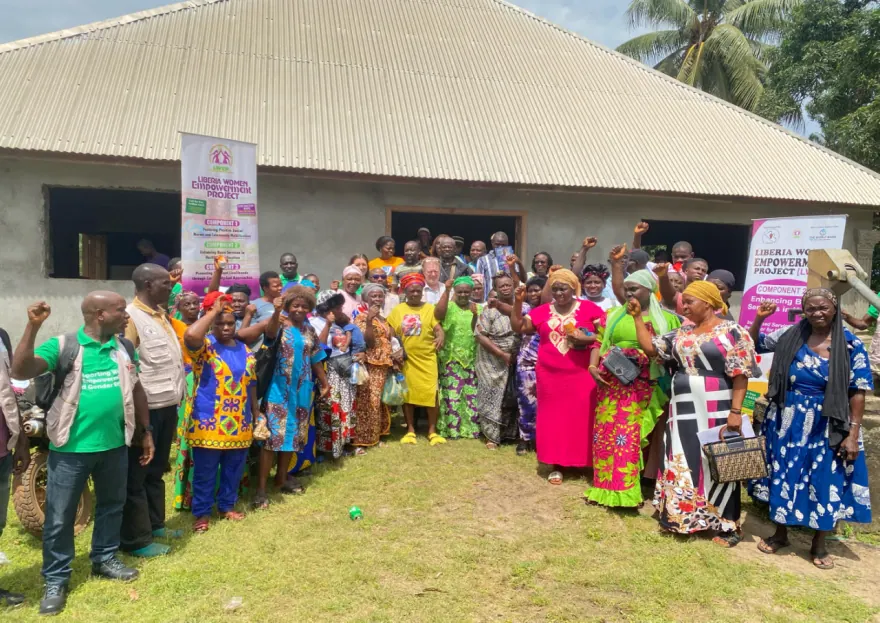
The Liberia Women Empowerment Project (LWEP) has had a positive impact on women in Grand Cape Mount County, enabling them to start small businesses, pay school fees, and provide food for their families. However, beneficiaries say the three-month repayment period is too short, particularly given seasonal challenges that affect their ability to generate income.
During a recent visit by the Ministry of Gender, Children and Social Protection, the World Bank, and LWEP implementation partners, women beneficiaries expressed their concerns and called for changes to make the support more sustainable. They said the funds have given them greater control over their economic lives, but the short repayment period is causing difficulties.
Sao G. Sando, a beneficiary and member of a village savings group, said the project's value goes beyond the money itself, as it has taught women how to save, keep proper records, manage their businesses, and use borrowed funds responsibly. She now sells water and soft drinks and encourages other women in her savings group to expand their businesses.
However, not all women have received the support they expected. Korpu, Chairlady of the Women of Success group, said her members completed the required training and were prepared to invest their grant in their businesses, but a discrepancy in the payment process has left them waiting. The group was expecting an $8,000 grant, but an error resulted in a payment of just $2,000.
An LWEP project representative acknowledged the payment error and explained that a fee officer mistakenly entered $4,000 into the system, which was then divided into two payments. The representative said formal communication would be sent to the Project Management Unit to correct the error and facilitate payment of the appropriate amount.
Beneficiaries also called for an extension of the repayment period or a system that would allow them to operate through established village savings arrangements. Tarlor N. Kannedy of Togarana Savings Club in Gwonzudwa said the three-month repayment period is placing pressure on women whose businesses are affected by seasonal challenges.
Despite the challenges, the project has already produced visible changes for many women. Massa J. Fahbulla said she invested in the dry-fish business and uses the income to support her children, including paying school expenses and providing food. Other beneficiaries reported investing in petty shops, cold-water businesses, dry goods, and fishing.
Key points
- Women in Grand Cape Mount County say LWEP funds have helped them start businesses and pay school fees, but the three-month repayment period is too short.
- Beneficiaries are calling for an extension of the repayment period or a system that would allow them to operate through established village savings arrangements.
- An error in the payment process has left some groups waiting for their grants, including the Women of Success group, which was expecting an $8,000 grant but received just $2,000.