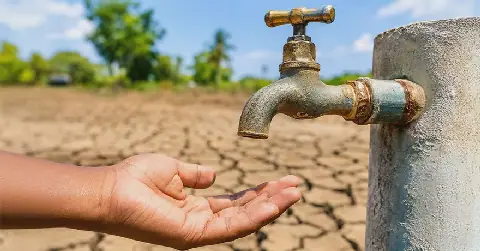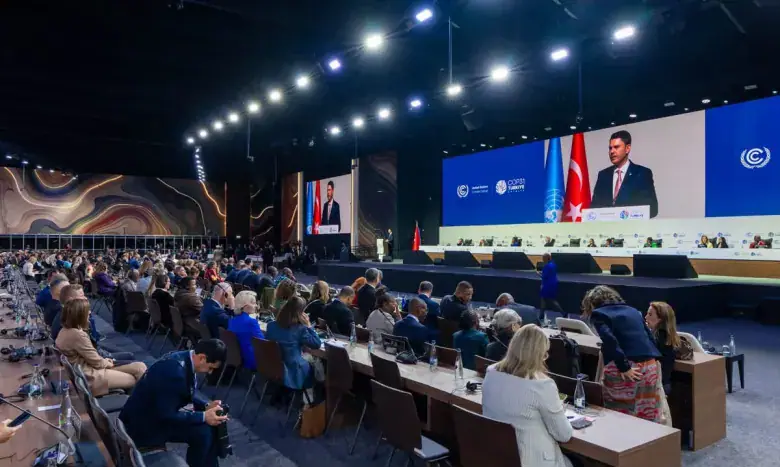
African leaders at the recent United Nations climate conference in Türkiye emphasized the need for predictable climate finance to support vulnerable nations in addressing climate change. For Liberia, this debate has immediate implications, with hundreds of millions of dollars in climate financing needs identified, but much of that funding remains undisbursed. The country's previous climate plan identified about $573 million in financing, but by December 2024, only $213 million had been disbursed.
Key projects in Liberia, including a $10 million Climate Information System and Monrovia's coastal protection project, remain delayed or unfinished. Experts argue that adaptation needs grants rather than loans, as debt repayments continue to limit the resources available for public services. The World Bank reports that interest payments alone absorb nearly half of Malawi's domestic revenue, leaving less for social services, infrastructure, and resilience spending.
At the COP31 Leaders' Summit, heads of state and government discussed climate adaptation, clean energy, and finance. Ethiopian Prime Minister Abiy Ahmed warned that the cost of climate damage was competing with investment in essential services, saying, "The more we spend coping with climate damage, the less we have to invest in schools, healthcare, and opportunity for our young people."
Liberia is not alone in facing climate finance challenges. Across Africa, governments face mounting climate risks while struggling to finance and implement their climate plans. Côte d'Ivoire's Vice President Tiemoko Meyliet Kone noted that unpredictable seasons were threatening agricultural production, household incomes, and families' futures.
The form in which climate finance is provided is also a major concern. A report by CARE International found that 67 percent of public climate finance was provided as loans in 2024, with an estimated $20.1 billion in repayments on climate loans falling due that year. This has led to concerns about the debt burden on developing countries.
ActionAid Liberia's brief, Who Bears the Cost? Debt, Climate and the People Who Pay the Price, highlights the pressure debt repayments place on Liberia's public finances. Public debt reached $2.84 billion by June 2026, up 317.5 percent from 2014, with debt servicing absorbing 18.65 percent of domestic revenue in 2025.
A major concern is that the $300 billion target for climate finance agreed at COP29 in Baku, Azerbaijan, falls short of what developing countries had demanded. Mohamed Kamal of the Global Alliance for Incinerator Alternatives criticized African negotiators who accepted the lower figure as a compromise, arguing that countries should not have to repay money for projects that protect people and ecosystems but do not generate revenue.
Key points
- Liberia has identified $573 million in climate financing needs, but only $213 million had been disbursed by December 2024.
- Experts argue that adaptation needs grants rather than loans to avoid adding to debt pressures.
- Climate finance provided as loans can lead to significant debt burdens on developing countries.