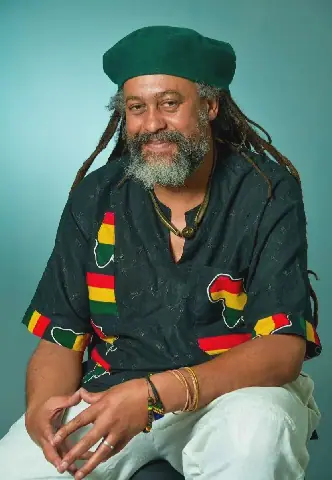
A former National Security Agency (NSA) official in Liberia, Peter Bon Jallah, has been sentenced to 50 years in prison for the statutory rape of a 16-year-old boy. The sentencing took place on November 3, at the Criminal Court "E" in Monrovia, Liberia. Judge Wesseh Alphonsus Wesseh Sr. handed down the sentence after Jallah was convicted of statutory rape. The case has drawn significant public attention and raised questions about the protection of vulnerable children in Liberia.
According to the indictment, the prosecution alleged that the 16-year-old boy, who performed paid domestic chores at Jallah's residence in Monrovia, was sexually abused on multiple occasions in late 2025. A subsequent incident in January 2026 allegedly involved the boy being transported to a building in the Camp Johnson Road area, where prosecutors said he was confined and sexually abused. Two unidentified men were also implicated in connection with the allegations but were not brought before the court during Jallah's trial.
The prosecution presented 13 regular witnesses and six rebuttal witnesses, including the complainant, police investigators, medical personnel, and forensic examiner Pascal Bavugirije of the Rwanda Forensic Institute. The defense presented eight witnesses, including Jallah himself, challenging the prosecution's account and disputing aspects of the medical, forensic, and DNA evidence. After considering the evidence and arguments from both sides, Judge Wesseh delivered his October 23 verdict, finding Jallah guilty of statutory rape and kidnapping while acquitting him of gang rape.
However, in a subsequent ruling on November 2, Judge Wesseh denied Jallah's motion for a new trial but granted the prosecution's request to set aside the kidnapping conviction and send that charge to Criminal Court "A" for fresh proceedings. The court's decision means that the prosecution cannot rely on the quashed kidnapping finding as an existing conviction. Jallah was also acquitted of gang rape after Judge Wesseh ruled that the prosecution failed to establish sufficient evidence to sustain that particular charge.
The sentence follows a contentious hearing over Jallah's October 27 motion for a new trial. The defense argued that the October 23 verdict contained inconsistencies, that the court committed legal and procedural errors, and that the evidence did not sufficiently support the findings against its client. The prosecution resisted the motion, insisting that the statutory rape conviction was independently supported by the evidence and should not be disturbed because of the jurisdictional issue surrounding kidnapping.
An aspect of the sentencing proceedings was the pre-sentence and behavioral assessment conducted through the Ministry of Justice's Bureau of Probation Services. The report indicated that Jallah had no prior criminal record before the present conviction. However, the absence of a previous criminal record did not prevent the court from imposing the 50-year prison term. The sentencing marks a significant development in a case involving a minor and a defendant who previously served within the National Security Agency.
The case has also drawn attention to Liberia's legal framework governing sexual offenses involving minors. Under Liberia's amended rape law, sexual intercourse involving an adult and a person under 18 falls within the statutory definition of rape. The defense has announced its intention to challenge the conviction before the Supreme Court of Liberia, which could place important questions concerning the sufficiency of evidence, jurisdiction, and the legal treatment of the separate charges before the country's highest court.
Key points
- Peter Bon Jallah, a 63-year-old former NSA official, has been sentenced to 50 years in prison for the statutory rape of a 16-year-old boy in Liberia.
- The case has raised questions about the protection of vulnerable children in Liberia and highlighted the country's legal framework governing sexual offenses involving minors.
- The defense has announced plans to appeal the conviction to the Supreme Court of Liberia, which could lead to further developments in the case.