The Environmental Protection Agency (EPA) of Liberia has taken a significant step towards integrating gender equality into climate action by launching its first Gender Policy and a refreshed national Climate Change Gender Action Plan. The launch event, held at the Corina Hotel in Sinkor, was attended by government officials, development partners, and representatives of civil society, women's and youth groups, and persons with disabilities. The policy and plan aim to ensure that environmental work is inclusive and serves the needs of all Liberians.
The Gender Policy was developed after an institutional gender assessment, consultations with staff and stakeholders, and a review of existing policies. The assessment revealed that while the EPA had made progress, there was still a gap in fully incorporating gender considerations into its work. The policy provides practical guidance on hiring and promotion, training, leadership, workplace culture, and accountability. It also addresses discrimination and sexual harassment directly, ensuring that every employee can grow professionally in a workplace that protects dignity and safety.
The updated Climate Change Gender Action Plan was developed through research, stakeholder consultations, and training, with support from UN Women. The plan ties gender equality to Liberia's national climate pledges under NDC 3.0 and focuses on eight sectors: agriculture and food security, coasts and fisheries, forestry, health, water and sanitation, waste, energy, and transportation. The plan recognizes that climate change affects people differently, with some groups being more exposed due to differences in access to land, finance, information, and decision-making.
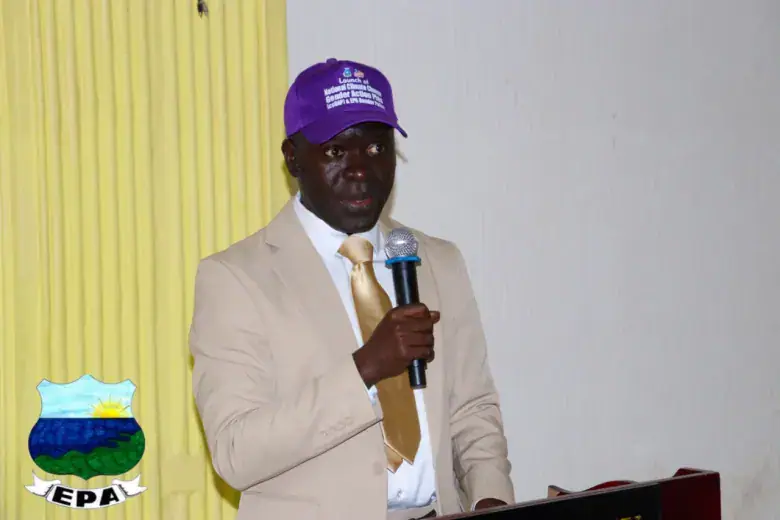
Executive Director Dr. Emmanuel K. Urey Yarkpawolo emphasized that environmental work cannot be separated from the people it is meant to serve. He highlighted the importance of recognizing the circumstances of women, young people, and persons with disabilities and opening doors for their participation. The EPA has already taken steps to integrate gender into its work, including elevating the gender function to senior management and investing in women's skills, including international training for its women environmental inspectors.
The EPA has also hired persons with disabilities, who strengthen the institution. However, Dr. Yarkpawolo acknowledged that the work is unfinished and that the EPA must continue to adapt its workplace to ensure full participation. The Agency will now focus on implementing the policy and plan, with the Gender Unit guiding and coordinating efforts. Managers across the Agency are expected to take responsibility for implementation and bring these commitments into their daily decision-making.
The implementation process will involve monitoring progress, identifying gaps, and flagging areas where more action is needed. The EPA will ask tough questions, such as whether women are benefiting from training and promotion, whether persons with disabilities can participate meaningfully, and whether climate projects are reaching those facing the steepest barriers. The Agency will also ensure that budgets back the promises made.
The launch of the policy and plan marks a significant milestone in Liberia's efforts to integrate gender equality into climate action. The EPA's efforts will require cooperation across government and sustained partnership with civil society, communities, and development partners. With clear responsibilities, sufficient resources, and regular monitoring, the EPA aims to make the policies succeed and create a more inclusive and resilient climate response.
Key points
- The EPA's new Gender Policy and Climate Change Gender Action Plan aim to integrate gender equality into climate action in Liberia.
- The policy and plan were developed through consultations with stakeholders and will guide the EPA's work in eight key sectors.
- The EPA will monitor progress and adapt its workplace to ensure full participation of women, young people, and persons with disabilities.