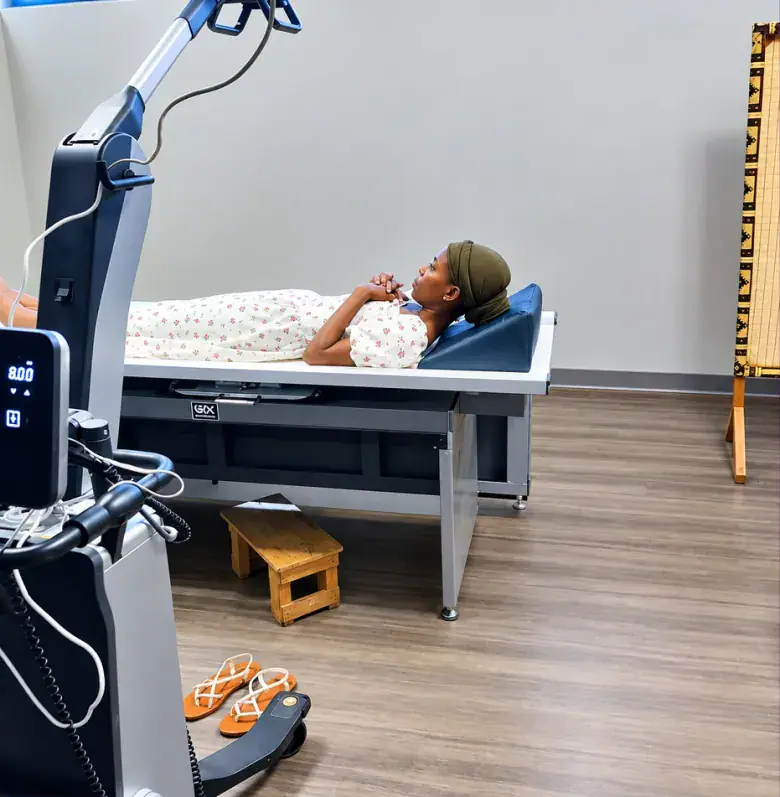
Sickle cell disease is a major health challenge in Liberia, with approximately 1,600 babies born with the condition every year. Without early diagnosis and treatment, up to half of these children die before the age of five. The disease causes red blood cells to change shape, leading to extreme pain, frequent infections, and restricted blood flow.
Until now, most Liberian children with sickle cell disease have not been diagnosed or treated. The country has lacked the necessary testing, medicine, and specialists to provide care. Some patients, like 19-year-old Tilnette Woods, have had to travel abroad for treatment. Tilnette has undergone two hip replacement surgeries, one in Nigeria and another scheduled in India, due to the damage caused by sickle cell disease to her hip bones.
The Liberian government has initiated newborn screening for sickle cell disease in three hospitals in different counties, with plans to expand nationwide by 2030. The Ministry of Health has worked with partners to train over 300 health workers and is developing a national registry for sickle cell disease patients. A nationwide prevalence study is also planned to determine the actual number of people living with the disease.
Low-cost treatments, such as penicillin, vaccines, and malaria prevention, can significantly improve the lives of children with sickle cell disease. Hydroxyurea, a daily pill, can reduce crises by half, but it is not currently being purchased by the government. Patients like Tilnette have to rely on local pharmacies and pay out-of-pocket for the medication.
Tilnette's experience with sickle cell disease has been marked by years of unexplained pain and frequent hospital visits. Her mother, Johnetta, has had to make significant sacrifices to care for her daughter, including spending all her income on medication and traveling abroad for treatment. Tilnette's case highlights the challenges faced by thousands of Liberians living with sickle cell disease.
The Boakai administration's health ministry is working to address the gaps in sickle cell disease care. According to Jamesetta Smith, director of the ministry's Non-Communicable Diseases and Injuries Unit, the government plans to include sickle cell disease in the next national demographic survey to get real data on sufferer numbers. The goal is to provide early diagnosis and treatment to prevent unnecessary deaths.
Patient advocates are optimistic about the government's plans to expand newborn screening and treatment for sickle cell disease. With the right care and support, children with sickle cell disease can lead long and healthy lives. The government's efforts to address this major health challenge are a step in the right direction, but more work needs to be done to ensure that all Liberians have access to quality care.
Key points
- The Liberian government plans to expand newborn screening for sickle cell disease nationwide by 2030.
- Approximately 1,600 babies are born with sickle cell disease in Liberia every year, and up to half die before the age of five without early diagnosis and treatment.
- Low-cost treatments, such as penicillin, vaccines, and malaria prevention, can significantly improve the lives of children with sickle cell disease.