The refining and petrochemical complex in Jamnagar, India, built by Reliance Industries, has transformed India's position in the global energy market. Completed in 30 months, it was one of the largest industrial projects in India at the time. The complex now processes approximately 1.4 million barrels per day. Its success story offers valuable lessons for other countries, including Nigeria, looking to develop their refining capabilities.
The financing structure of the Jamnagar refinery is noteworthy. It was a combination of promoter capital, public equity, domestic and international borrowing, project finance, and export credit support. For the second export-oriented refinery, the financing structure consisted of 42% equity and 58% debt. The US Export-Import Bank provided a $500 million loan guarantee to support the purchase of American equipment and services. This shared risk approach allowed the project to move forward.
The Jamnagar complex's profitability stems from its complexity, crude flexibility, export logistics, and integration with petrochemicals. It can process various crude grades and convert them into higher-value products meeting international specifications. The complex can purchase crude from different markets, adjust its product mix, and sell into the most profitable geography. This flexibility has enabled India to convert a natural resource disadvantage into an industrial advantage.
Another refining giant, Valero Energy, represents a different model. Valero developed through restructuring and acquiring existing refineries, assembling a portfolio across the US, Canada, and the UK. It now operates 14 refineries with a combined throughput capacity of approximately 2.7 million barrels per day. Valero's growth was financed through retained cash flow, shares, and corporate debt. Its journey highlights the difference between financing construction and financing a refining business.
Valero's profitability is cyclical, influenced by factors such as product demand, crude differentials, and competing refineries' outages. The company has returned substantial cash to shareholders and recognized large impairments. In 2025, it recorded a $1.1 billion pre-tax impairment relating to its California refining operations. This sobering lesson emphasizes that a refinery's construction cost is not its permanent market value; investors value the future cash the asset can generate.
S-Oil, a listed company with a powerful strategic shareholder, presents another model. Saudi Aramco became its strategic controlling shareholder, bringing capital, technical relationships, and greater security of crude supply. S-Oil maintained a long-term crude purchase arrangement with Aramco and remained publicly listed, allowing minority investors to participate alongside the controlling shareholder. This combination can be powerful, but it requires a credible governance framework.
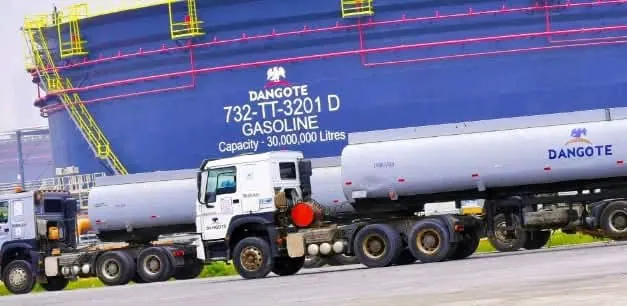
The lessons from these global refining giants can inform Nigeria's Dangote refinery and the country's refining ambitions. By studying the financing structures, operational strategies, and governance frameworks of these companies, Nigeria can develop a more effective approach to refining. The Dangote refinery, once operational, will significantly impact Nigeria's energy market and economy. Its success will depend on factors such as crude supply, market demand, and effective governance.
Key points
- The financing structure of the Jamnagar refinery, which combined promoter capital, public equity, and debt, can serve as a model for Nigeria's Dangote refinery.
- The operational flexibility and complexity of the Jamnagar complex and Valero Energy's refineries are key factors in their profitability.
- A credible governance framework is essential for a listed company with a powerful strategic shareholder, as seen in S-Oil's structure.