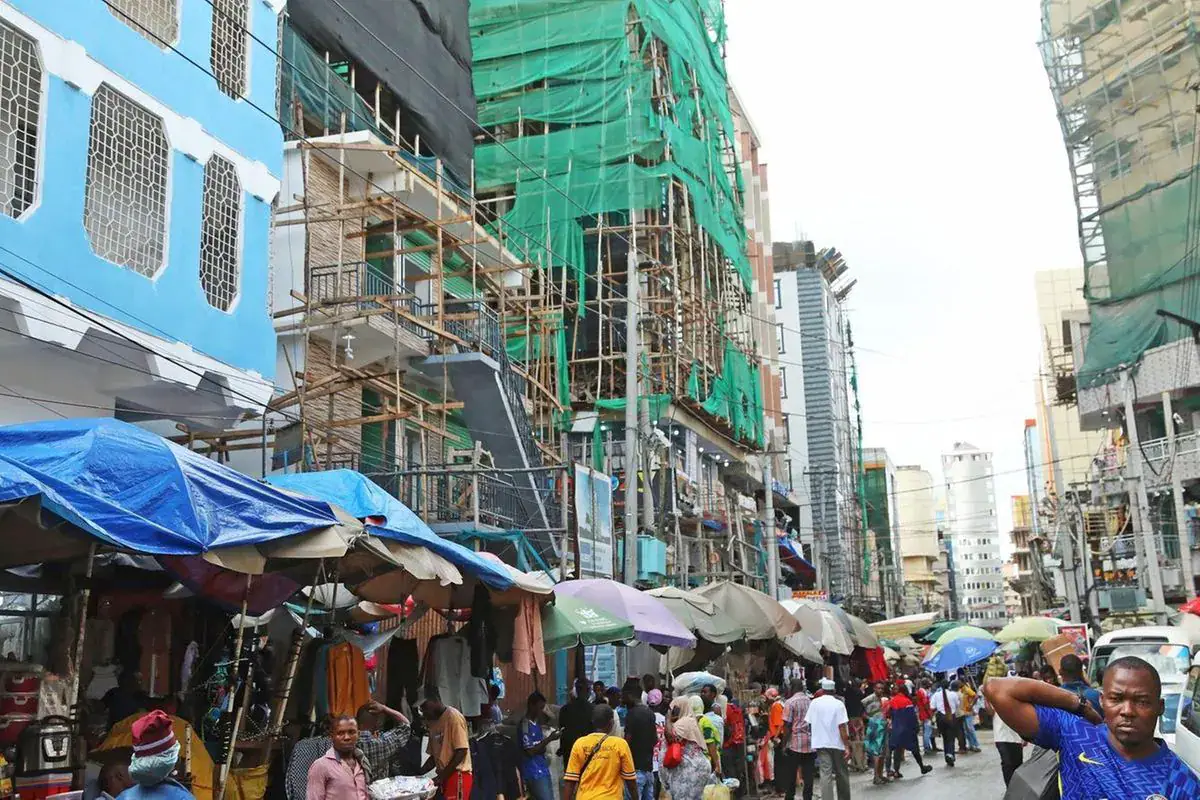
The recent collapse of an 18-storey building under construction in Nairobi's Eastleigh area has sparked outrage in Kenya, with many calling for the resignation of county administrators and President. This incident is not isolated, as Nairobi has recorded at least 30 building collapses since 2020, out of 83 total recorded incidents across Kenya. According to Stats Kenya, this translates to an average of five building collapses per year in Nairobi and 14 countrywide over the past six years.
A report by the Kenya Institute for Public Policy Research and Analysis documented 86 building collapses in Nairobi between 2009 and 2019, resulting in an estimated 200 deaths. Despite this experience, building collapses continue to occur, with two incidents earlier this year resulting in four deaths and seven injuries. The death toll from the recent collapse is already higher, raising concerns about the effectiveness of regulatory measures.
Authorities, including the National Construction Authority and the Institution of Engineers of Kenya, attribute the high rate of collapses to poor workmanship, use of substandard materials, and faulty structural design. These factors account for approximately 35%, 28%, and 25% of incidents, respectively. However, governance deficits are also seen as a major contributor, as regulatory breaches and rapid urban expansion exacerbate the problem.
In Kenya, building designs must be approved and adhered to during construction, with professional inspection and approvals required at every step. However, it appears that these regulations are often ignored, and those responsible for enforcing them are persuaded to turn a blind eye. This culture of non-compliance has become ingrained, with Kenyans seemingly willing to take risks and ignore standards in pursuit of development.
A comparison with Tanzania reveals distinct approaches to urban development. While Kenyans have an insatiable appetite for building upwards, often ignoring regulations, Tanzanians have historically focused on horizontal expansion. Research has shown that Kenyans will readily construct multi-storey buildings on small plots, despite prohibitions, whereas Tanzanians have tended to create new building plots out of public or reserved land.
The Kariakoo building collapse in Tanzania on November 16, 2024, highlights the need for vigilance in ensuring safety standards. A report by the Committee of Investigation into the disaster should be studied by professionals to prevent similar incidents. As Tanzania moves forward, it can learn from Kenya's experiences and prioritize regulatory enforcement and safety standards.
Professor Lusugga Kironde, a consultant at TKA Company Ltd, emphasizes the importance of adhering to regulations and safety standards. He notes that while Kenya's experience with building collapses is a concern, Tanzania can take steps to avoid similar disasters. By studying the causes of incidents and implementing effective measures, Tanzania can promote safe and sustainable urban development.
Key points
- Governance deficits and regulatory breaches contribute significantly to building collapses in Kenya.
- Tanzania can learn from Kenya's experiences and prioritize regulatory enforcement and safety standards.
- Effective measures can be taken to prevent building collapses, including adhering to regulations and safety standards.