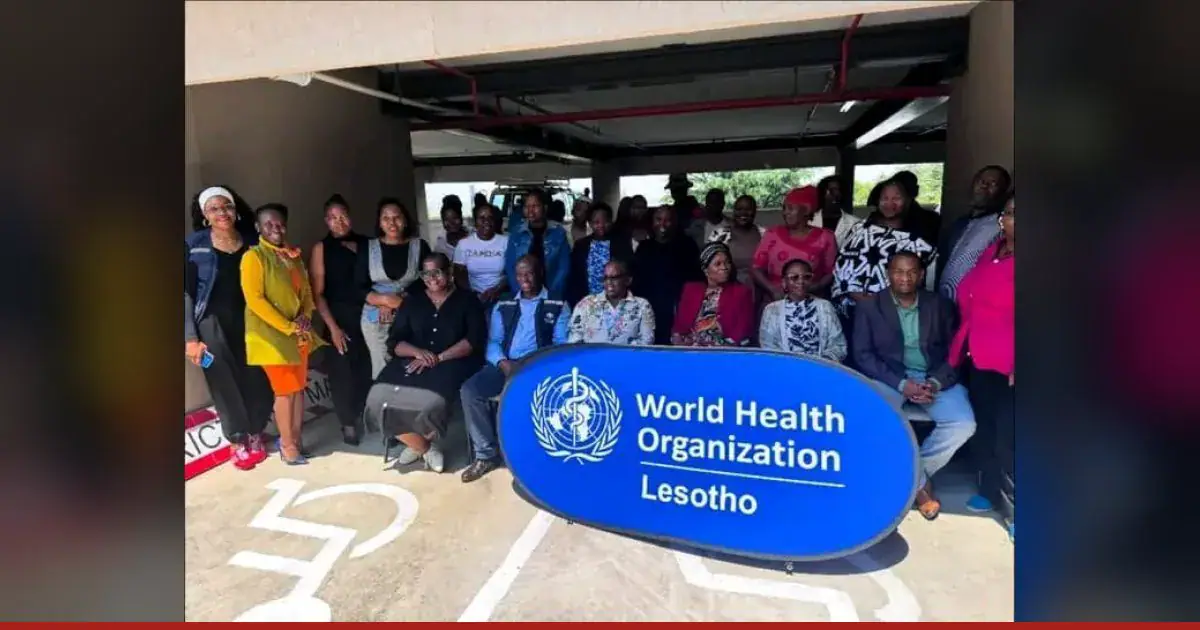
Journalists in Lesotho have been reminded of the importance of fact-checking when reporting on health emergencies. The Ministry of Health and the World Health Organization (WHO) recently organized a media training in Maseru, focusing on responsible reporting during health crises, gender-based violence, and mental health. Ministry of Health Public Relations Officer Mateboho Mosebekoa stressed that inaccurate information can confuse the public, cause fear, and put lives in danger.
Mosebekoa outlined five key principles for journalists to follow when reporting on health emergencies: accuracy, timeliness, transparency, usefulness, and respect. She emphasized that verifying information, such as names, figures, and test results, is crucial before publication. Mosebekoa also highlighted that being first is less important than being correct, stating, "Speed should never come at the expense of accuracy." This approach ensures that the public receives reliable information to protect themselves.
The training also addressed the issue of the infodemic, a flood of information, including false information, that spreads during health emergencies. WHO Communications Officer Sebongile Kolobe-Thuso advised journalists to treat social media posts and forwarded messages as leads for investigation, not as evidence. She recommended verifying information with health authorities and independent experts before publishing to avoid spreading misinformation.
Both speakers stressed the need to protect patients' privacy and dignity, particularly for children and those who are sick. They warned against sharing personal medical information, using discriminatory language, or publishing pictures that expose patients to stigma and shame. Journalists were encouraged to maintain professional ethics and respect patients as human beings.
The Ministry of Health and WHO program aims to enhance journalists' reporting skills on health emergencies, gender-based violence, and mental health. Accurate and responsible reporting is seen as essential in leaving the public better informed, less afraid, and better equipped to protect themselves and their families. The training is part of a broader effort to promote science-based reporting.
Journalists were also urged to hold health authorities accountable by asking tough questions about preparedness and response handling. This includes scrutinizing the country's readiness and the effectiveness of the response, always maintaining accuracy and professional ethics. By doing so, journalists can contribute to a more informed public discourse.
The Lesotho Tribune supports efforts to promote fact-based reporting. By subscribing or making a donation, readers can help sustain independent journalism that holds power to account and provides critical information to the public. Good journalism relies on financial support from readers like you.
Reporting sources
- Journalists told to check facts when reporting health emergencies · Lesotho Tribune