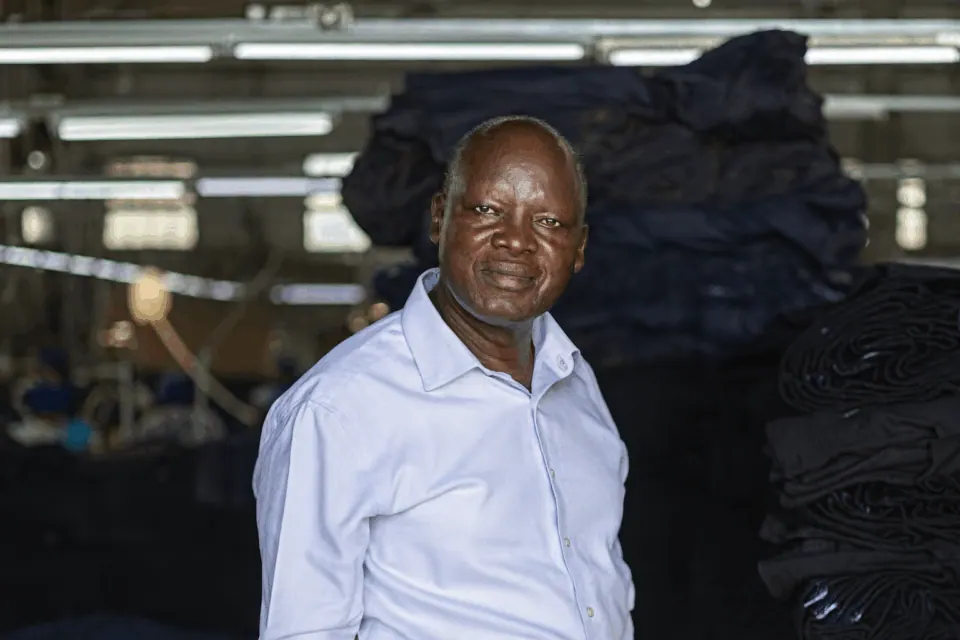
A bitter corporate and mining dispute has erupted in Lesotho involving the ruling Revolution for Prosperity (RFP) party. The dispute centers on the government's acquisition of a 20 percent stake in Mogopa Mining and the installation of RFP chairperson, Teboho Kobeli, on the company's board. Mogopa's founding shareholders, Christopher More and Phoka Ramoea, have approached the High Court seeking to overturn a decision by Natural Resources Minister, Mohlomi Moleko, which they claim unlawfully altered the company's ownership and governance structure.
The dispute dates back to 2019 when Mogopa Mining applied for a mining lease for an area at Thaba-Kholo in Butha-Buthe. According to court documents, then Mining Minister, Keketso Sello, insisted that Mogopa bring in a local partner, leading to the involvement of Lehlohonolo Nthontho and his company, Batlokoa Minerals. The lease was eventually signed on 4 June 2019. However, the founding shareholders claim that the negotiations were a give-and-take arrangement, and Mogopa was effectively compelled to accept the proposed ownership structure to secure the mining lease.
The issue escalated when Mogopa issued shares to prospective investors to finance its mining operations. Batlokoa acquired a 51 percent interest in Mogopa on 10 January 2023, but the Mining Board informed Mogopa that the transfer did not comply with statutory requirements. The Board directed that the position be corrected, but Minister Moleko later overturned this decision on 1 November 2023. Mr. Moleko's decision approved the disputed share transfer and directed that Mogopa's share register be amended to include the government, leading to the appointment of Mr. Kobeli and Sekese Sephehi as government representatives on the company's board.
Mr. More describes Minister Moleko's decision as irregular, unlawful, and beyond his powers. He argues that the minister retrospectively regularized share transfers that had previously been found not to comply with statutory requirements. The founding shareholder also challenges the government's 20 percent stake in Mogopa, alleging that it was imposed without following required corporate procedures. Mr. More claims that the minister's actions constituted a direct hijacking of a corporate entity and a hostile takeover carried out through government intervention.
Mr. More further alleges that Mr. Kobeli and Mr. Sephehi are unqualified for their positions and are businessmen with political ties to the ruling RFP party. He argues that their appointment was part of the corporate hijacking process and that Mr. Kobeli's position on the board should fall if the minister's decision is set aside. The founding shareholder also contends that the minister had no authority to retrospectively approve or consent to a transaction that had already contravened the law.
The High Court case has been filed against Minister Moleko, the Mining Board, the Minister of Trade, Industry and Business Development, the Registrar of Companies, the Attorney General, and Batlokoa Minerals. Mr. More wants the court to review and set aside Minister Moleko's decision and restore Mogopa to its previous position. He also seeks to prevent those relying on the ministerial decision from exercising control over the company.
The dispute raises concerns about government intervention in private companies and the potential for abuse of power. The case will likely have significant implications for the mining industry in Lesotho and the role of government in regulating corporate entities. The court's decision will be closely watched by stakeholders in the industry and may set a precedent for future cases involving government intervention in private companies.
Key points
- Mogopa Mining's founding shareholders take government to court over alleged unlawful installation of RFP chair on company's board
- Dispute centers on government's acquisition of 20 percent stake in Mogopa Mining and installation of Teboho Kobeli as chairperson
- Court case raises concerns about government intervention in private companies and potential for abuse of power