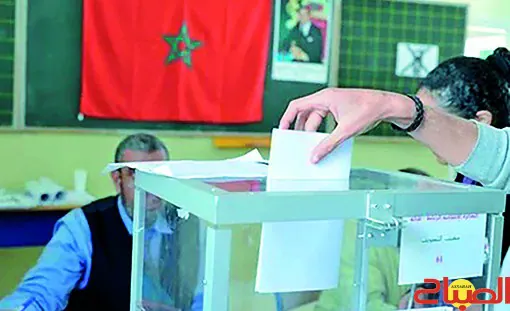
Morocco conducted legislative elections to elect members of the House of Representatives on Wednesday. By 3 pm, the national voter turnout had reached 21%. The Ministry of Interior reported that voting was proceeding normally across all provinces, prefectures, and urban municipalities in the country. The elections aim to elect representatives to the House of Representatives, the lower house of Morocco's parliament.
The Ministry of Interior's statement provided an update on the voting process, which was ongoing at the time of the report. Voters across Morocco were casting their ballots to choose their representatives. The ministry's monitoring of the elections ensured that the process was conducted fairly and transparently. Citizens were exercising their right to participate in the democratic process.
Earlier in the day, the voter turnout had been reported at 11.34% by 12 pm. This indicated a steady increase in participation as the day progressed. The Ministry of Interior's updates provided insights into the voting process, helping to maintain public confidence in the electoral process. Moroccan citizens were actively engaging in the elections.
The legislative elections were crucial for Morocco's democratic process, as they determined the composition of the House of Representatives. The elected representatives would play a significant role in shaping the country's policies and laws. Citizens were selecting their preferred candidates to represent them in the parliament. The elections were a vital aspect of Morocco's democratic governance.
Various stakeholders, including political parties, civil society organizations, and international observers, were monitoring the elections. Their presence helped ensure the integrity and transparency of the voting process. The Ministry of Interior worked to address any concerns or issues that arose during the elections. This collaborative effort aimed to maintain public trust in the electoral process.
Morocco's legislative elections had significant implications for the country's future. The elected representatives would be responsible for addressing various challenges, including economic development, social issues, and human rights. Citizens were exercising their right to shape the country's direction by participating in the elections. The outcome of the elections would have a lasting impact on Morocco.
The voter turnout of 21% by 3 pm indicated a moderate level of participation in the elections. While some citizens were actively engaging in the democratic process, others may have chosen not to participate. The reasons for this varied, and stakeholders would analyze the outcome to understand the trends and implications. The elections marked a significant event in Morocco's democratic calendar.
Key points
- The voter turnout in Morocco's legislative elections reached 21% by 3 pm.
- The Ministry of Interior reported that voting was proceeding normally across the country.
- The elections aimed to elect members to the House of Representatives, the lower house of Morocco's parliament.