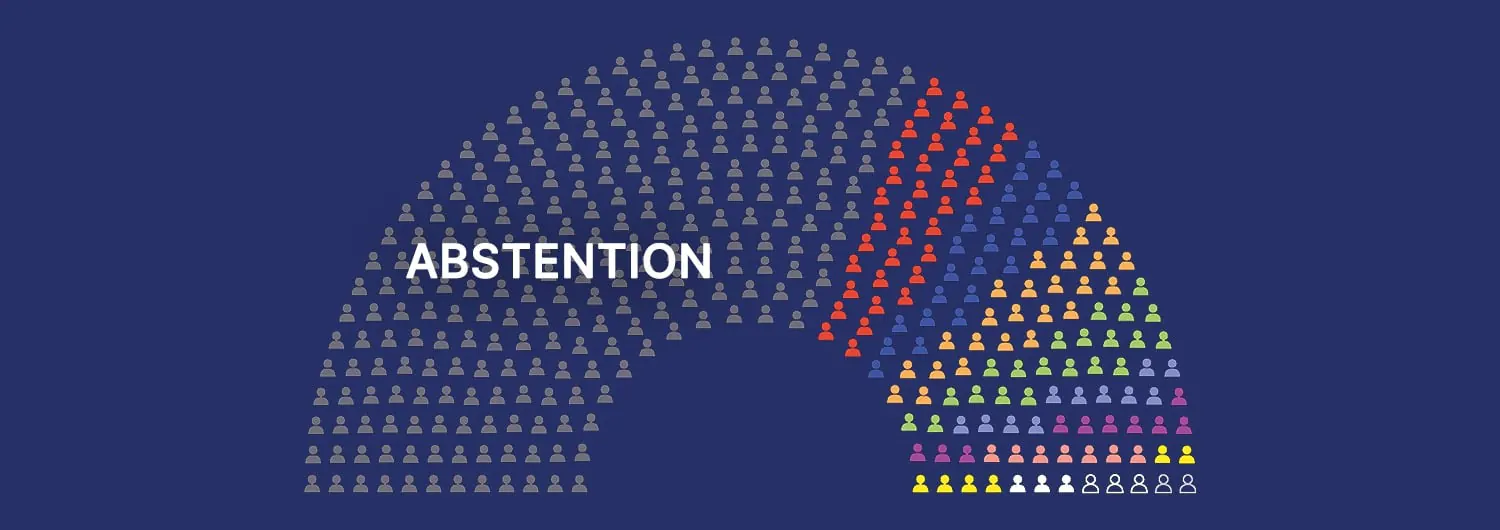
Morocco's 2026 legislative elections have concluded, with a significant focus on the low voter turnout. Out of 15.8 million registered voters, only 38.08% cast their ballots, amounting to just over 6 million voters. This means that nearly 10 million registered voters chose not to participate in the electoral process. When considering the estimated 27-28 million people of voting age, it's estimated that over 11 million Moroccans opted out of the process before it began. This brings the total number of citizens who did not vote to over 21 million.
The low voter turnout is particularly pronounced among young people, with those aged 18-24 making up only 4% of the electorate, a significant decrease from 2021. In terms of actual vote volume, the largest "party" in Morocco is that of abstention, comprising both non-voters and those who did not register to vote. This abstention sends a dual message: firstly, that Moroccans are placing their trust in entities other than the government, such as the state, large infrastructure projects, or their own resourcefulness; and secondly, that a portion of citizens feel their vote will not effect change.
The results of the election have a familiar air, with the PAM, RNI, and Istiqlal parties, which formed the outgoing coalition, maintaining a majority. Together, they have secured 228 seats, surpassing the 198 needed for an absolute majority. Although the bloc lost around 40 seats over the past five years, and the RNI suffered due to the wear and tear of having a prime minister who accumulated frustrations, the overall picture remains similar. The recent movement of politicians, such as Fouzi Lekjaa, between parties illustrates this continuity.
One notable exception to this continuity is the significant rise of the PJD, which increased its seats from 13 in 2021 to 54. This substantial growth marks a considerable shift in the political landscape. The coming weeks will be dedicated to speculation about the future prime minister, who will be chosen by the King from within the PAM, and to negotiations over ministerial positions.
Despite potential changes in the allocation of seats and ministerial roles, the fundamental dynamics of Moroccan politics are unlikely to change drastically. The focus will be on the formation of alliances and the distribution of roles, with potential candidates, such as Fatima Ezzahra El Mansouri and Fouzi Lekjaa, being considered for key positions.
The issue of low voter turnout and its implications for the legitimacy and representativeness of the elected government will likely continue to be a topic of discussion. Additionally, concerns about electoral integrity, highlighted by reports of suspicious voting practices in certain areas, may impact public perception of the electoral process.
Ultimately, the outcome of these elections underscores a critical challenge facing Moroccan politics: re-engaging a disillusioned electorate and addressing the widespread perception that the political process does not offer meaningful avenues for participation or change.
Key points
- The PAM, RNI, and Istiqlal parties have maintained a majority in the Moroccan legislature despite a low voter turnout.
- The PJD saw a significant increase in seats, from 13 to 54, marking a notable shift in the political landscape.
- Low voter turnout, particularly among young people, and concerns about electoral integrity are key challenges facing Moroccan politics.