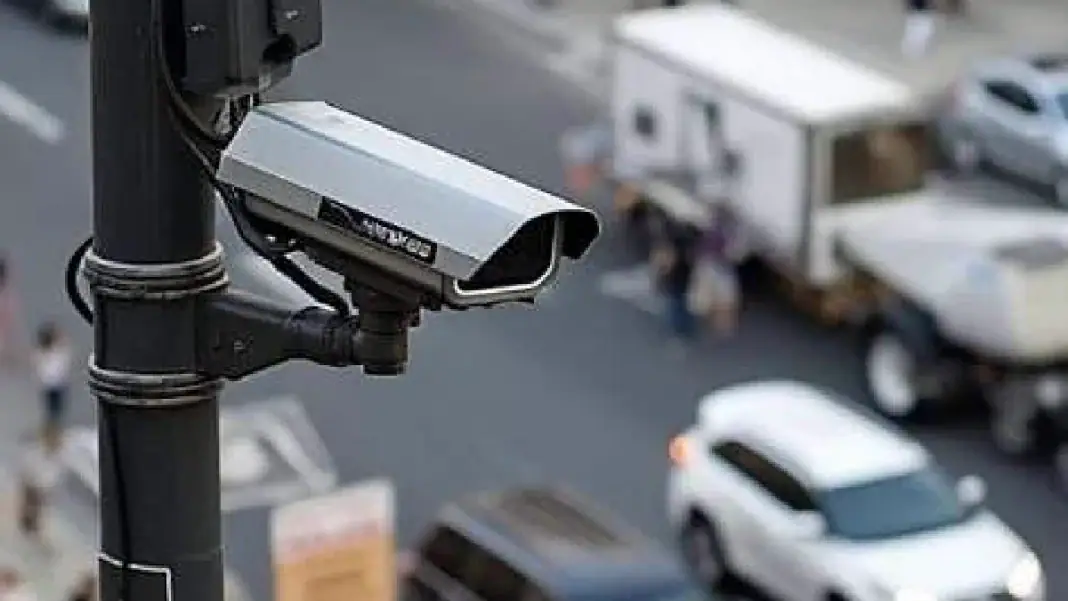
The TraffiTech-GH automated traffic enforcement system in Ghana has faced scrutiny over its legality, with a private legal practitioner questioning its legal basis. The system, designed to identify road traffic violations through automated cameras and surveillance equipment, aims to complement conventional police enforcement and reduce road crashes. However, concerns have been raised about its implementation without a clear legal framework.
According to ACP Alexander Kwaku Obeng, Director of Education, Research and Training at the Motor Traffic and Transport Department (MTTD), overspeeding remains a major contributor to road traffic deaths in Ghana. He stated that about 62 out of every 100 road traffic deaths are linked to overspeeding, emphasizing the need for effective measures to address the problem. The Ghana Police Service has highlighted the importance of existing laws in traffic enforcement.
ACP Obeng explained that the Police cannot undertake traffic enforcement without the backing of existing road traffic laws and regulations. He emphasized that the Police will not come into the space if there is no existing road traffic act and regulation. This underscores the importance of a clear legal framework for traffic enforcement initiatives like TraffiTech-GH.
Private legal practitioner Albert Gyamfi questioned the legal basis of the TraffiTech-GH initiative, arguing that its implementation is not supported by law. He stated that TraffiTech-GH is currently illegal because it is not backed by law, raising concerns about the legal authority to detect traffic violations, issue electronic notices, and impose penalties on motorists through the automated system.
The discussion on Current Agenda, a program by the Ghana Broadcasting Corporation, highlights the importance of ensuring that the deployment of traffic enforcement technology is supported by a clear legal framework. The program also addresses the road safety concerns that have made stricter enforcement necessary. The TraffiTech-GH system aims to improve compliance with traffic regulations and reduce road crashes.
The Ghana Police Service and other stakeholders must consider the concerns raised about the TraffiTech-GH system. A clear legal framework will be essential for the successful implementation of the system, which has the potential to significantly reduce road traffic deaths and improve road safety in Ghana.
The debate over the TraffiTech-GH system underscores the need for effective traffic enforcement measures in Ghana. With overspeeding being a major contributor to road traffic deaths, initiatives like TraffiTech-GH can play a crucial role in reducing road crashes and improving road safety. However, this must be done within a clear and robust legal framework.
Key points
- The TraffiTech-GH system's legality has been questioned due to the lack of a clear legal framework supporting its implementation.
- Overspeeding accounts for about 62 out of every 100 road traffic deaths in Ghana, according to ACP Alexander Kwaku Obeng.
- The Ghana Police Service emphasizes the importance of existing laws and regulations in traffic enforcement.
Reporting sources
- TraffiTech-GH legality questioned as Police stress need for traffic enforcement · Ghana Broadcasting Corporation