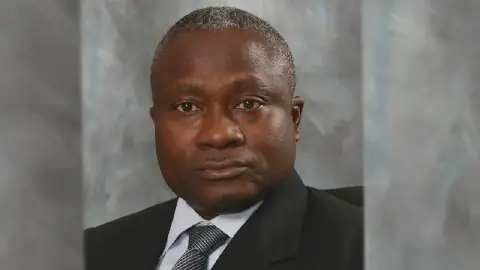
A recent legal memorandum authored by Michael Fakhri has shed light on the potential involvement of Israel in the devastating Beirut port bombings that occurred on August 4, 2020. The memo, published by Legal Agenda, explores the possibility of war crimes and crimes against humanity in the context of the bombings. Fakhri's work has sparked a significant debate on the need for international accountability and the role of various judicial bodies in investigating such incidents.
The Beirut port bombings resulted in significant loss of life and property damage, with 204 people killed and over 6,500 injured. The bombings also left thousands of people homeless and caused widespread destruction in the port area. The incident has been the subject of much speculation and debate, with various theories emerging about the causes and perpetrators of the bombings. The Lebanese government has faced criticism for its handling of the investigation and its response to the disaster.
Fakhri's memo examines the Israeli narrative surrounding the bombings, which has been met with skepticism by many in the international community. The memo highlights the need for a thorough and impartial investigation into the incident, with the possibility of referring the case to the International Criminal Court (ICC) or other international judicial bodies. The author argues that such an investigation is essential to uncovering the truth and ensuring accountability for those responsible.
The memo has been welcomed by various human rights organizations and advocacy groups, who have long called for greater transparency and accountability in the investigation into the Beirut port bombings. These groups have expressed concerns about the potential for impunity and the need for those responsible to be held accountable. The Lebanese government has faced pressure to cooperate with international investigators and to ensure that those responsible are brought to justice.
The investigation into the Beirut port bombings has been ongoing, with various lines of inquiry being pursued. The Lebanese judiciary has been working to gather evidence and testimony from witnesses, with a view to identifying those responsible and bringing them to justice. The investigation has been hampered by various challenges, including a lack of resources and expertise, as well as concerns about interference and politicization.
The international community has expressed support for the investigation into the Beirut port bombings, with various countries and organizations offering assistance and cooperation. The United Nations has been actively involved in supporting the investigation, with the UN Secretary-General calling for a thorough and impartial probe into the incident. The European Union has also offered support, with the EU Ambassador to Lebanon expressing solidarity with the Lebanese people and calling for accountability.
The legal memo by Michael Fakhri has contributed to a growing body of work on the Beirut port bombings, with various researchers and experts examining the incident from different perspectives. The memo has sparked a necessary debate on the need for international accountability and the role of various judicial bodies in investigating such incidents. As the investigation continues, it is essential that all parties cooperate fully and that those responsible are held accountable for their actions.
Key points
- The Beirut port bombings resulted in significant loss of life and property damage, with 204 people killed and over 6,500 injured.
- The investigation into the Beirut port bombings has been ongoing, with various lines of inquiry being pursued.
- The international community has expressed support for the investigation into the Beirut port bombings, with various countries and organizations offering assistance and cooperation.