With 302 days to the August 10, 2027 General Election, Kenya's Independent Electoral and Boundaries Commission (IEBC) is grappling with a series of court battles, procurement disputes, and unresolved legal questions. These challenges have raised concerns about the commission's ability to meet its published milestones without disruption. Despite this, the IEBC maintains that preparations are on course.
One of the most consequential cases concerns the National Tallying Centre at Bomas of Kenya, where Busia Senator Okiya Omtatah has appealed a High Court decision upholding the national tallying process. The petitioners argue that the constitution makes constituency tallying the final stage for counting and declaring results, while the Elections Act and related regulations introduce an additional layer that could create room for manipulation.
The High Court ruled that national determination of the presidential result is necessary because a candidate must secure more than 50 per cent of votes cast nationally and at least 25 per cent in more than half of the counties. However, advocate Sylvester Mbithi notes that the High Court left substantial constitutional questions open to appeal at the Court of Appeal and Supreme Court, which could delay a final determination.
The procurement of election technology is another significant challenge facing the IEBC. The commission has suspended the tender for the Integrated Elections Management System following a fresh request for review before the Public Procurement Administrative Review Board. The dispute follows an earlier board decision requiring corrections and clarifications to tender provisions, including technical evaluation criteria and contract award requirements.
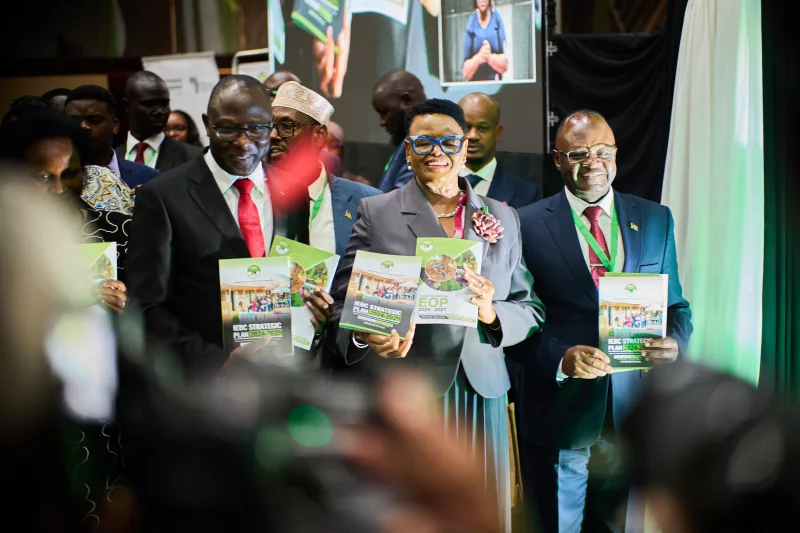
The timing of the procurement dispute is critical, with the commission's operations plan setting October 24, 2026, as the deadline for the current election technology audit, and testing and certification scheduled for February 2 to March 3, 2027. Any prolonged procurement delay could compress the period available to configure equipment, integrate systems, and resolve technical failures before the election.
The technology dispute has also exposed differences within the opposition over the system the commission should use. DCP leader Rigathi Gachagua supports retaining and upgrading Smartmatic's technology, while Wiper leader Kalonzo Musyoka wants IEBC to sever ties with Smartmatic, which supplied technology for the 2022 election. The competing positions underscore the political sensitivity of the technology procurement process.
Other challenges facing the IEBC include ballot-paper procurement, electoral boundary delimitation, and voter-registration transparency. The commission must print and package ballot papers and statutory forms between July 5-25, 2027, and distribute them until August 8, two days before the election. A High Court petition questions whether IEBC can lawfully conduct the election without reviewing constituency and ward boundaries under Article 89 of the constitution.
Key points
- The IEBC faces significant challenges in preparing for the 2027 election, including court battles, procurement disputes, and unresolved legal questions.
- The commission's operations plan is ambitious, with tight deadlines for procurement, voter registration, and boundary delimitation.
- The outcome of the disputes could affect the integrity and credibility of the 2027 election.