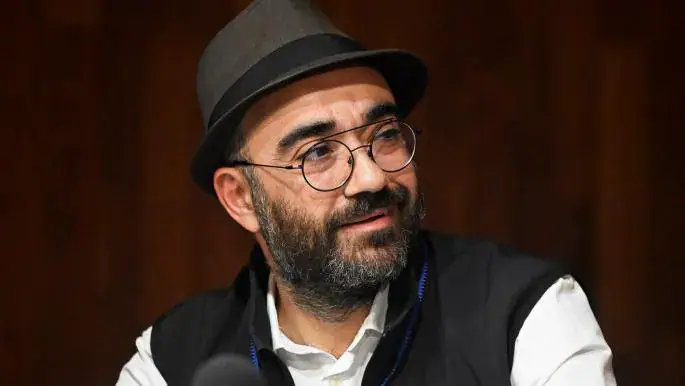
The Lebanese theater sector has undergone significant transformations due to wars, political crises, and economic instability. Since the civil war, the sector has struggled with limited public financing and the absence of a sustainable cultural policy. This has led to a reliance on alternative funding sources, including private sector support and foreign grants. Lebanese theater director Karim Dakroub highlighted these challenges at the 27th International Theater Festival in Carthage.
Dakroub emphasized that Lebanon lacks a national theater and has only four main independent theater spaces in Beirut. He noted that the development of Lebanese theater has historically relied on individual and collective initiatives, as well as efforts from cultural and educational institutions. The sector has gone through three key stages: a period of prosperity before the civil war, a stage of war and instability between 1975 and 1990, and a post-war phase of rebuilding.
The creation of a Ministry of Culture in 1993 marked a significant shift in the sector's development. However, Dakroub argued that this has not led to a clear cultural policy or comprehensive financing system. Instead, it has resulted in fragmented competencies and a lack of consistent support for artists and theater productions. The law regulating artistic professions, passed in 2008, has helped to establish a clearer framework for artists.
Dakroub criticized the allocation of public funds for culture, citing a lack of transparency and inadequate budgets. He noted that in 2005, the theater sector received only $30,000 in state funding, reflecting the limited priority given to culture in public policy. Despite its importance in promoting creativity and innovation, the sector remains vulnerable to economic and political instability.
In response to limited public resources, many theater practitioners have turned to private financing or external funding sources, including European and Arab grants. While this has allowed them to continue their creative work, it also raises concerns about artistic independence and the potential for external influence. Dakroub warned that this could lead to the marginalization of Lebanese cultural narratives and specificities.
The International Theater Festival in Carthage recently hosted a symposium on the challenges facing the theater sector. The event brought together researchers and experts from Arab, African, and European countries to discuss financing models, production systems, and their impact on the development of theater. The festival featured various productions and performances, showcasing the diversity of contemporary theater.
The Lebanese theater sector continues to face significant challenges, including limited funding, cultural marginalization, and the risk of external influence. Despite these obstacles, practitioners remain committed to promoting creativity and innovation in the sector. The development of a sustainable cultural policy and comprehensive financing system will be crucial in ensuring the long-term viability of Lebanese theater.
Key points
- Limited public financing and cultural marginalization are major challenges facing the Lebanese theater sector.
- The sector has had to rely on alternative funding sources, including private sector support and foreign grants.
- There are concerns about the impact of external funding on artistic independence and the potential marginalization of Lebanese cultural narratives.
Reporting sources
- Radio Tunisie Culture · Radio Tunisie Culture