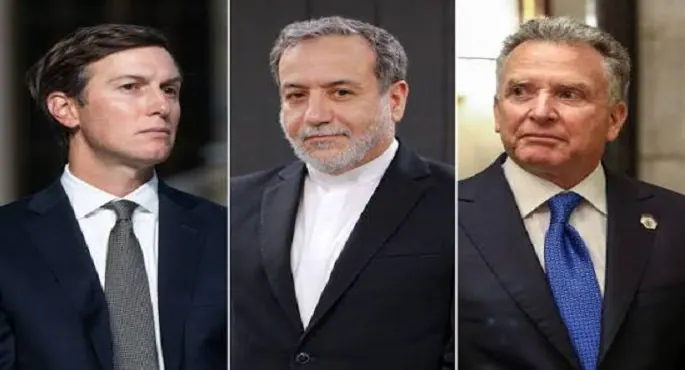
A recent article in the Lebanese newspaper "Al-Diyar" questioned whether a US-Iran agreement is near. The article comes amid reports of a meeting between Iranian Foreign Minister Abbas Araghchi and US officials Jared Kushner and Steve Wietkemeyer. The talks, which took place on the sidelines of the UN General Assembly in New York, have sparked hopes of a renewed diplomatic effort between the two nations.
The article's author, Paula Mourad, identified three reasons why this round of talks may be more serious than previous ones. Firstly, both sides are incurring significant costs, and the world is bearing the brunt of their confrontation. Secondly, the US Republican Party is set to face midterm elections in November, which may create an incentive for a deal. Thirdly, Iran may see an opportunity to capitalize on the US electoral landscape and secure greater concessions, particularly regarding economic sanctions.
Despite these factors, Mourad cautioned that a deal is far from certain. The US-Iran relationship remains complex, and the risk of escalation is still present. The US has recently increased pressure on Iran's aviation sector, prompting Iranian threats to retaliate against countries cooperating with Washington. This has raised concerns about the potential for a wider conflict in the region.
The article also touched on the views of other analysts, who argue that a US-Iran agreement could have significant implications for regional stability. However, others have expressed skepticism, citing the deep-seated mistrust between the two nations. As the talks continue, many observers are watching closely to see if a breakthrough can be achieved.
In a separate article, writer Abdel Rahman Shalqam offered a nuanced perspective on the US-Iran relationship. Shalqam argued that war and diplomacy are intertwined, and that the two nations have a long history of interaction. He noted that US President Donald Trump has been vocal about his intentions, but that Iran has also shown a willingness to engage in dialogue.
Shalqam also highlighted the domestic pressures facing both Trump and Iranian leaders. Trump is set to face midterm elections, while Iran's leaders are grappling with the aftermath of the US withdrawal from the nuclear deal. These factors, Shalqam argued, may create an opportunity for a renewed diplomatic effort.
The US-Iran relationship has significant implications for regional stability, and a potential agreement could have far-reaching consequences. As the talks continue, many observers are watching closely to see if a breakthrough can be achieved. Key issues, including sanctions and Iran's ballistic missile program, remain contentious.
Key points
- A US-Iran agreement could have significant implications for regional stability.
- The talks are taking place amid increased tensions between the two nations.
- A deal would require concessions on key issues, including sanctions and Iran's ballistic missile program.