Lebanese director Zeina Safir has released a documentary titled "Sakout Al-Sahl," which delves into her family's history during the Lebanese Civil War. The film began as a personal project, sparked by her interest in train stations and railways. Safir discovered that her grandfather worked in the railway sector, and her husband's uncle also had a similar profession. This led her to explore her family's past, revealing a painful history that had been silenced for decades.
The documentary took years to complete, transforming from a simple idea to a complex narrative. Safir's film goes beyond her family's story, addressing the broader impact of the Lebanese Civil War on the country and its people. She notes that the war's effects are still felt today, with many families continuing to suffer from its aftermath. The film aims to give a voice to those who have been silenced, allowing them to share their experiences and find some closure.
Safir's personal connection to the story is deep, as she was only two years old when the incident occurred. The film explores the trauma and pain that her family has endured, and how it has affected her own life. By sharing her family's story, Safir hopes to raise awareness about the importance of confronting the past and promoting healing. She believes that cinema can be a powerful tool for this process, allowing people to face their emotions and find a way to move forward.
The title "Sakout Al-Sahl" refers to the silence that has surrounded the events of the war. Safir argues that this silence has been a collective failure to address the past, allowing injustices to repeat themselves. By breaking this silence, she hopes to encourage a more open and honest discussion about Lebanon's history. The film has been well-received, with its world premiere at the Middle East Now festival in Florence.
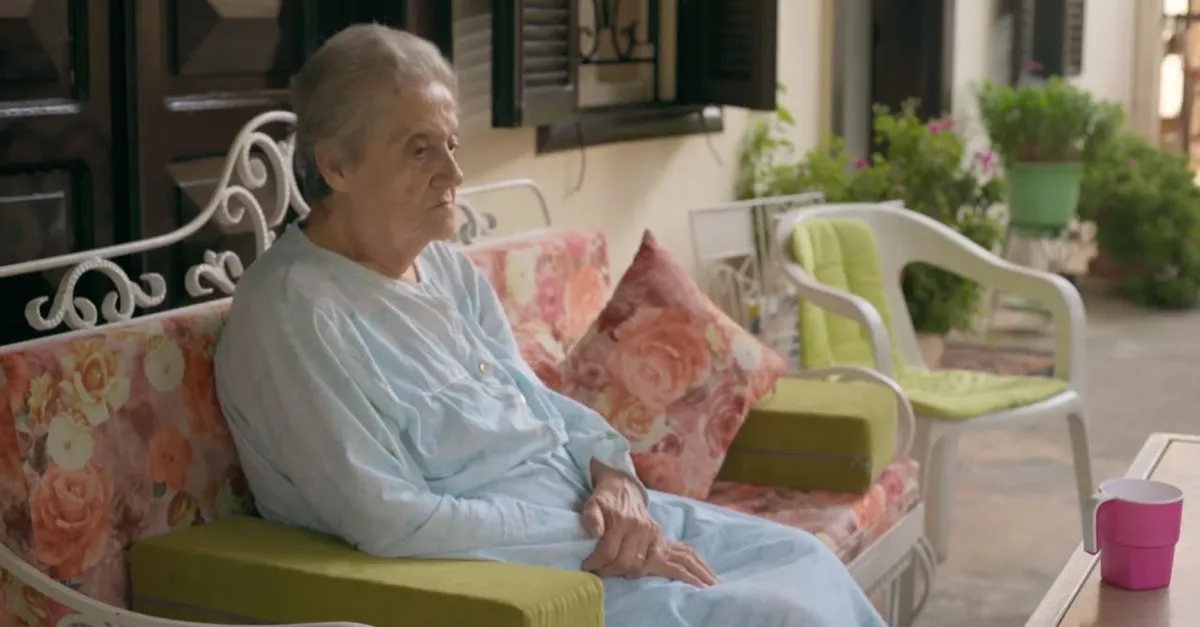
One of the biggest challenges Safir faced during production was getting people to open up about their experiences. However, within her own family, there was a strong desire to share their story and find closure. The film features interviews with family members, including Safir's aunt, who passed away before the film's completion. Safir hopes that the documentary will help to preserve her family's history and ensure that their story is not forgotten.
While the film has been recognized at festivals, Safir's primary goal is to reach a wider audience, particularly in Lebanon. She is working to screen the film in Beirut, which she believes will be a powerful moment for her and her family. The documentary has the potential to spark important conversations about Lebanon's past and its ongoing impact on the country.
Ultimately, Safir's documentary is a testament to the power of storytelling and the importance of confronting the past. By sharing her family's story, she hopes to inspire others to do the same, promoting a more open and honest discussion about Lebanon's history and its ongoing impact on the country. The film is a powerful tribute to those who have been affected by the war, and a reminder of the importance of preserving our collective history.
Key points
- The documentary "Sakout Al-Sahl" explores the impact of the Lebanese Civil War on one family.
- Director Zeina Safir's personal connection to the story drives her desire to share her family's history.
- The film aims to break the silence surrounding the war and promote healing and closure.