In Ghana, the quality of service in public institutions can vary significantly, even among those with similar funding, policies, and staff. For instance, two government hospitals in the same city, serving populations with broadly similar needs, can have vastly different service quality. This disparity highlights the role of leadership in shaping the citizen experience. Effective leadership can bridge the gap between policy intentions and service delivery.
The concept of leadership is often discussed in the context of corporate Ghana, with many organisations seeking leaders with specific qualities. However, a closer look at job advertisements reveals that playfulness is rarely mentioned as a desirable trait. This oversight may be significant, as playful leaders can bring innovative approaches to problem-solving and team management. By neglecting playfulness, organisations may miss opportunities for growth and improved service delivery.
Small businesses in Ghana, such as those found in Makola, Circle, Kejetia, or Spintex, often face challenges that hinder their growth. While marketing is a common issue cited, the real problem may lie in capacity constraints. These businesses require support in areas such as finance, human resources, and technology to operate efficiently and effectively. Addressing these capacity gaps can help small businesses thrive and contribute to Ghana's economic development.
Effective communication is a critical aspect of leadership, yet many leaders struggle with this skill. Leadership begins when someone chooses to follow, not when a title is acquired. Leaders must be aware of their communication style and its impact on their team and organisation. In Ghana, leaders who communicate effectively can foster a positive work environment, drive results, and improve the citizen experience.
The importance of market research and analysis is often overlooked in favour of passion when it comes to starting a business. Many young people are encouraged to follow their passion, but this approach can be limiting. By studying the market and understanding the needs of their target audience, entrepreneurs can create businesses that are more likely to succeed. This approach can help address the capacity constraints faced by small businesses in Ghana.
Cybersecurity is a growing concern for businesses in Ghana, with many organisations investing heavily in solutions. However, the focus may be misplaced, with too much emphasis on technology and not enough on people and processes. Businesses must adopt a holistic approach to cybersecurity, considering the human factor and implementing effective policies and procedures. This approach can help reduce the risk of cyber threats and protect businesses from financial losses.
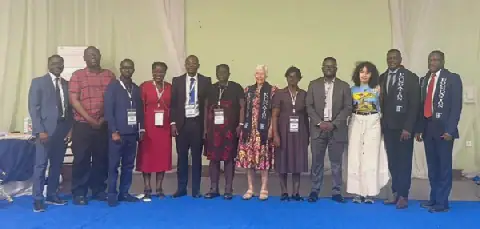
The intersection of leadership, communication, and technology was highlighted recently in Accra, where a personal achievement became a milestone for Ghana and Africa. The event, which took place on September 25, 2026, demonstrated the power of effective leadership and communication in driving progress. As Ghana continues to navigate its development challenges, leadership will remain a critical factor in shaping the citizen experience and driving economic growth.
Key points
- Leadership is a crucial factor in shaping the citizen experience in Ghana.
- Effective communication is essential for leaders to drive results and improve the citizen experience.
- A holistic approach to cybersecurity, considering people and processes, is necessary to protect businesses in Ghana.