Ghana is pushing forward with its artificial intelligence (AI) infrastructure ambitions, but the country's leadership faces a significant challenge in converting computing capacity into local capability, economic opportunity, and measurable public value. As the nation advances in AI, it must make crucial leadership decisions to shape its AI economy. This comes as the country continues to make strides in various sectors, including energy, maritime, and technology.
Recently, Ghana has seen several developments that warrant attention, particularly in the AI sector. In October, three significant events took place, highlighting the country's progress in AI. These developments signal a new phase in Ghana's AI ambitions, with a focus on leveraging AI to drive economic growth and improve public services. The government is expected to play a critical role in shaping the country's AI economy.
The Institute of Public Relations (IPR) Ghana recently hosted its 2026 National Summit, where the Speaker of Parliament, Rt. Hon. Alban Sumana Kingsford Bagbin, delivered the keynote address. During the event, which took place on October 22, Bagbin made a confession and a promise, emphasizing the importance of leadership in driving Ghana's economic growth. The summit provided a platform for stakeholders to discuss critical issues affecting the country.
Ghana's economic recovery has been a pressing concern, with the country facing costly living conditions, unemployment, and economic uncertainty. The 2027 Budget, set to be presented to Parliament on November 12, 2026, by Finance Minister Dr. Cassiel Ato Forson, is expected to offer more than just reassuring statistics. The government has announced a New Economy programme, which aims to advance the Reset Agenda and drive economic growth.
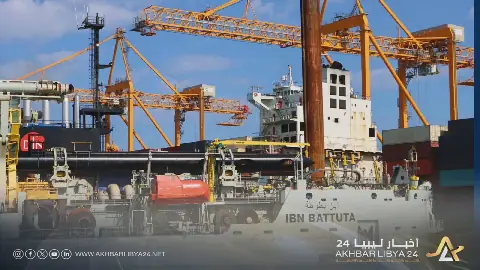
The maritime sector is also a significant area of focus for Ghana, with the country's ocean resources offering vast potential for economic growth. However, the industry faces challenges, including costly premix fuel, old nets, and limited access to finance. Ghana's reliance on imported fish to feed its population has raised concerns, highlighting the need for investment in the sector to unlock its potential.
Energy is another critical sector in Ghana, with the country's energy framework dictating its capacity to industrialize, feed its population, and compete in the global digital marketplace. According to Prof. Ernest Ofori Asamoah, a nation's energy framework is the foundational blueprint for its economic development. Ghana must prioritize energy development to drive growth and improve living standards.
As Ghana continues to advance its AI infrastructure and drive economic growth, the country must prioritize leadership decisions that will shape its AI economy. The government, private sector, and other stakeholders must work together to ensure that AI is leveraged to drive local capability, economic opportunity, and measurable public value. This will require a coordinated effort to address the country's challenges and unlock its potential.
Key points
- Leadership decisions will play a crucial role in shaping Ghana's AI economy.
- Ghana's AI infrastructure ambitions must be converted into local capability and economic opportunity.
- The country's energy framework is critical to its economic development and industrialization.