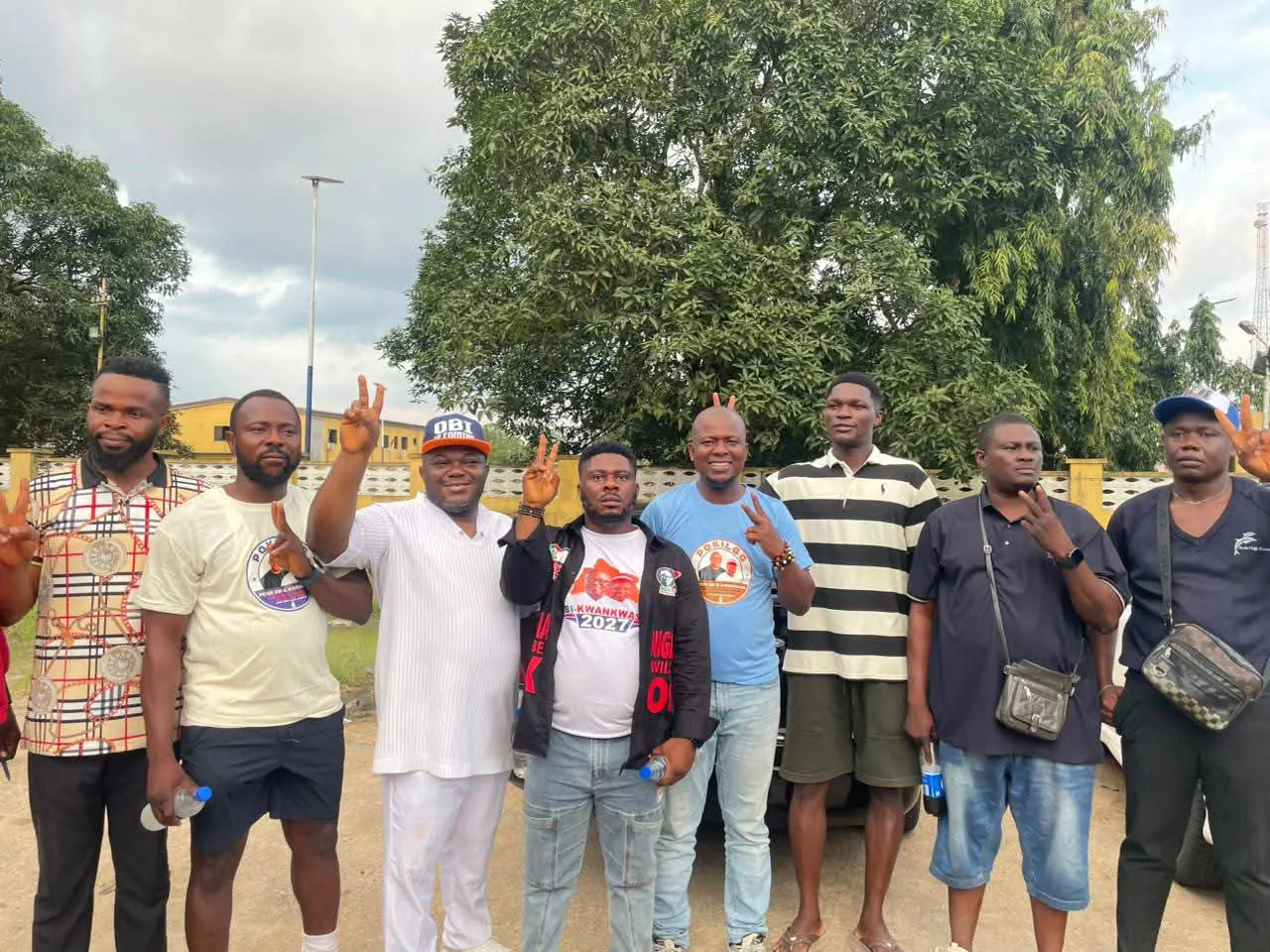
The Nigeria Police Force, Akwa Ibom State Command, released the leaders of the Obi-Kwankwaso (OK) and Obidient movements in the state on Friday after detaining them for over 24 hours. Elijah Noah, coordinator of the OK Movement, and Ben Smith, state coordinator of the Obidient Movement, were among nine people arrested during a disputed Independence Day march in Uyo. The groups support the presidential aspiration of Peter Obi and his running mate, Rabiu Kwankwaso.
The arrests followed a directive by the police command ordering political parties and groups to reschedule previously approved rallies, meetings, and processions scheduled for October 1, citing security concerns. The command claimed the directive was based on intelligence suggesting that political gatherings could be exploited to cause disturbances and threaten public peace. However, the organisers disputed the police's account of the events, particularly the circumstances surrounding Noah's arrest and the dispersal of supporters.
According to Noah, he had met with the Commissioner of Police, Baba Azare, who expressed concern about providing adequate security for the proposed march. Noah claimed he explained that the procession was intended to be peaceful and that October 1 was deliberately chosen because of Nigeria's Independence Day. The organisers subsequently agreed to reschedule the march, but some supporters gathered at the proposed take-off point despite the postponement.
Noah alleged that police officers arrived shortly after he began addressing the crowd in an OK Movement shirt and fired tear gas. The police denied using tear gas or firearms during the operation, stating that eight people were arrested for allegedly engaging in acts capable of causing a breach of public peace and disregarding lawful security directives. Witnesses, however, claimed that tear gas was used to disperse supporters.
Frank Okon, the media director of the proposed march, questioned the scale of the police deployment at the scene, asking if it was necessary for the police to outnumber those who came to protest. He disputed the police's denial that tear gas was fired, saying people fled the area after the police intervention. Okon expressed concern that the incident could affect the democratic process, especially with the window for campaigning now open.
The Obidient Movement demanded the immediate release of both coordinators and other detained members, accusing the police of intimidating its members and restricting political expression. Samuel Duff, secretary of the OK Movement in Akwa Ibom and one of those arrested, connected the incident to the political environment in the state, suggesting that the state's political alignments may have played a role in the circumstances surrounding the incident.
The release of the nine detainees on Friday has eased the immediate confrontation, but the dispute has left unresolved questions about the extent of police powers to regulate political gatherings and the obligations of security agencies when dealing with peaceful political assemblies. The episode comes as political mobilisation is building up across Akwa Ibom ahead of the 2027 elections, raising concerns about how similar incidents could affect political activities.
Key points
- The Nigeria Police Force released nine detainees, including leaders of the Obi-Kwankwaso and Obidient movements, after 24-hour detention.
- The arrests and detention followed a disputed Independence Day march in Uyo, which the police claimed was a security concern.
- The incident has raised questions about police powers to regulate political gatherings and the obligations of security agencies when dealing with peaceful political assemblies.