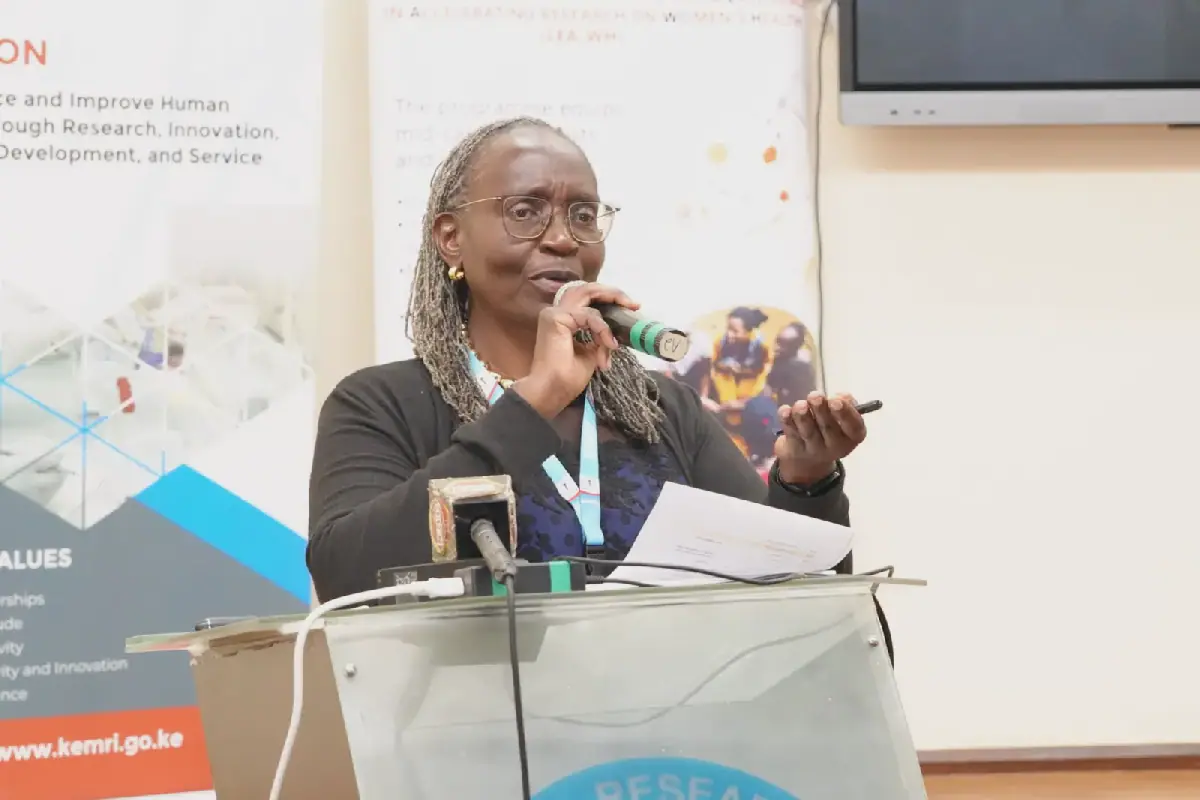
A new initiative, Leadership for Innovation and Excellence in Accelerating Research on Women’s Health (LEA-WH), has invested roughly KSh455 million (US$3.5 million) to support 20 early-career fellows from 11 African countries. The programme aims to develop solutions for menstrual health, endometriosis, menopause, and other under-researched conditions affecting women. The fellows' research spans various areas, including reproductive-tract infections and cervical cancer. This investment seeks to address the significant gap in research funding for female-specific conditions.
More than 200 million African women live with conditions such as heavy menstrual bleeding, fibroids, and endometriosis. However, these ailments receive limited research funding, with only about one percent of global health research and development funding allocated to female-specific conditions beyond cancer. The LEA-WH programme is responding to this disparity by supporting early-career scientists in developing solutions for these neglected health issues. The initiative also aims to strengthen researchers' skills and connect them with partners who can help turn ideas into marketable health solutions.
The LEA-WH programme provides mentorship in entrepreneurship, product development, regulatory pathways, intellectual-property protection, and commercialization. This support will help innovations move beyond the laboratory and become marketable health solutions. Programme director Professor Elizabeth Bukusi stated that the initiative is designed to equip researchers with the necessary skills to develop and implement their ideas. The programme's approach includes scientific training and mentorship to ensure that researchers can turn their ideas into tangible solutions.
The 20 early-career fellows will showcase their work at the Women’s Health Ecosystem Forum (WHEF 2026), scheduled for 2-5 November. The event, organised by LEA-WH in partnership with KEMRI and the U.S. National Academy of Medicine, provides a platform for the researchers to share their findings and collaborate with other stakeholders. The forum aims to bring together experts and stakeholders to discuss women’s health issues and develop solutions.
Researchers have warned that limited domestic R&D investment, under-representation of women in clinical trials, and the need for representative data for emerging AI tools pose additional challenges. These challenges hinder the development of effective solutions for women’s health issues. The LEA-WH programme seeks to address these challenges by supporting researchers and providing them with the necessary resources to develop innovative solutions.
The LEA-WH programme's investment in early-career scientists is expected to have a significant impact on women’s health in Africa. By supporting researchers in developing solutions for neglected health issues, the programme aims to improve the health and well-being of African women. The initiative's focus on entrepreneurship and commercialization will also help ensure that the developed solutions are sustainable and can be implemented in the long term.
The LEA-WH programme's approach has been designed to have a lasting impact on women’s health in Africa. By providing researchers with the necessary skills and resources, the programme aims to create a sustainable pipeline of innovative solutions for women’s health issues. The initiative's partnership with KEMRI and the U.S. National Academy of Medicine also ensures that the programme benefits from the expertise and experience of reputable organisations.
Key points
- The LEA-WH programme has invested KSh455 million to support 20 early-career fellows from 11 African countries.
- The programme provides mentorship in entrepreneurship, product development, and commercialization to help innovations move beyond the laboratory.
- The initiative aims to address the significant gap in research funding for female-specific conditions beyond cancer.