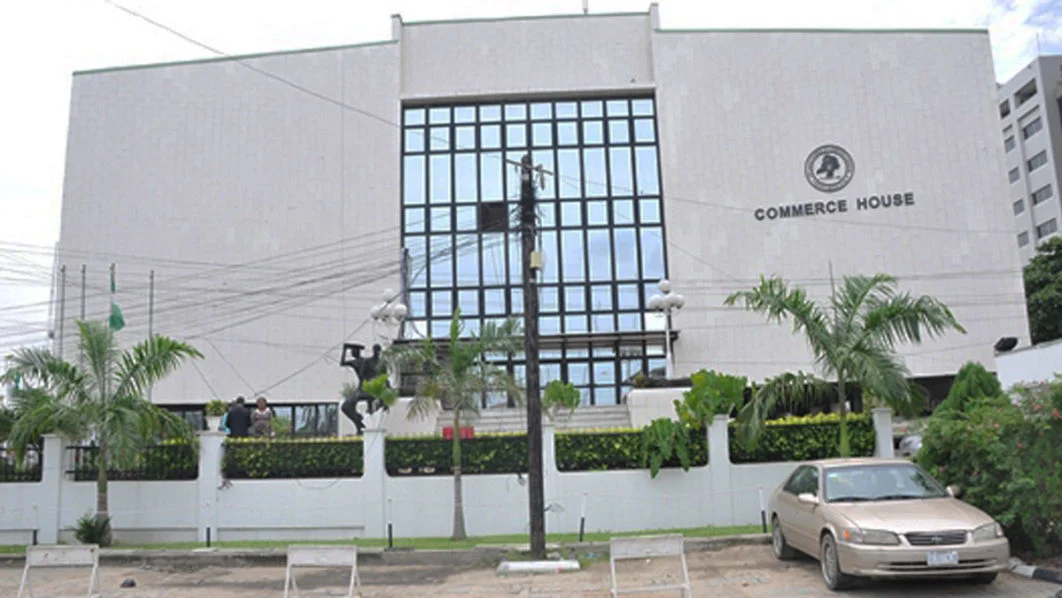
The Lagos Chamber of Commerce and Industry has called on commercial banks to lower their lending rates and increase credit availability to businesses. This appeal comes after the Central Bank of Nigeria reduced its benchmark interest rate by 350 basis points. The chamber believes that if banks do not transmit the reduction in the Monetary Policy Rate to the cost and availability of credit, the rate cut will have limited impact on businesses.
The Central Bank of Nigeria's Monetary Policy Committee reduced the Monetary Policy Rate from 26.5 per cent to 23 per cent at its 307th meeting. This significant shift towards monetary easing aims to ease the financing burden on businesses. However, the Lagos Chamber of Commerce and Industry warns that cheaper policy funding will not automatically translate into cheaper bank loans. The transmission from the policy rate to lending rates and actual credit allocation remains critical.
According to the Director-General of the Lagos Chamber of Commerce and Industry, Chinyere Almona, the immediate test of the rate cut will be whether banks respond with more affordable and accessible financing, particularly for small and medium-sized enterprises. The chamber notes that banks still price loans based on factors such as borrowers' cash flows, collateral, credit history, sector risks, and repayment capacity. This means lending rates could remain elevated despite the reduction in the benchmark rate.
The Lagos Chamber of Commerce and Industry identifies high operating costs, energy, transportation, logistics, exchange-rate volatility, input costs, infrastructure deficiencies, and insecurity as major constraints affecting businesses. These factors increase the risks faced by lenders and make it difficult for businesses to generate sufficient cash flows to service loans. The chamber therefore calls on the Central Bank of Nigeria to monitor banks' responses to the rate cut, particularly the movement in lending rates and the flow of credit to productive sectors.
The Lagos Chamber of Commerce and Industry also urges the government and financial institutions to strengthen credit guarantees, partial-risk guarantees, and other de-risking mechanisms that could encourage lending to viable small businesses. The chamber suggests that banks should expand the use of cash-flow-based lending, credit scoring, movable assets, and other alternative forms of security. This would enable businesses without conventional collateral to access formal credit and reduce the risks associated with lending.
To ensure that monetary easing reaches the real economy, the Lagos Chamber of Commerce and Industry emphasizes the need to reduce structural costs confronting businesses. These costs include unreliable electricity, high logistics expenses, infrastructure gaps, and multiple regulatory charges. The chamber recommends that increased liquidity should be directed towards sectors capable of raising production and employment, such as manufacturing, agriculture, agro-processing, trade, logistics, technology, healthcare, and construction.
The Lagos Chamber of Commerce and Industry acknowledges the Central Bank of Nigeria's need to balance growth with price and financial stability. However, the chamber believes that improving inflation conditions have provided room for monetary easing. The reduction in the Monetary Policy Rate is seen as an opportunity to strengthen the transmission of monetary policy to businesses and productive activity. The priority now is to ensure that monetary easing results in lower borrowing costs, increased credit supply, stronger investment, and improved access to appropriately structured financing for small and medium-sized enterprises.
Key points
- The Lagos Chamber of Commerce and Industry urges banks to lower lending rates and expand credit to businesses following the Central Bank of Nigeria's 350-basis-point reduction in its benchmark interest rate.
- The chamber warns that cheaper policy funding will not automatically translate into cheaper bank loans, emphasizing the need for effective transmission of the rate cut to lending rates and credit allocation.
- The Lagos Chamber of Commerce and Industry calls for action to reduce structural costs confronting businesses, including unreliable electricity, high logistics expenses, infrastructure gaps, and multiple regulatory charges.