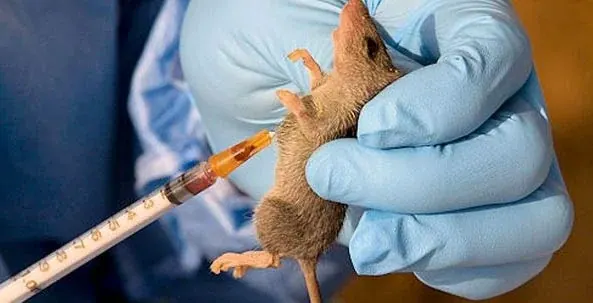
Nigeria is experiencing a surge in Lassa fever cases, with 263 people dying from the disease in 2026. According to the Nigeria Centre for Disease Control and Prevention (NCDC), the case-fatality rate has risen to 23.6 percent, surpassing the 18.5 percent recorded in 2025. The disease has spread to 24 states and 119 Local Government Areas (LGAs), with 1,115 confirmed cases reported.
The NCDC's Lassa Fever Situation Report for epidemiological week 38 revealed that the disease is primarily transmitted to humans through contact with food or household items contaminated by infected rodents. Lassa fever can cause severe illness and death, particularly where diagnosis and treatment are delayed. The report also showed that 11 new confirmed cases were reported during epidemiological week 38, down from 17 cases in week 37.
The disease has a significant impact on young adults, with people aged between 21 and 30 years being the most affected age group. The median age of confirmed patients was 30 years, indicating that the disease is affecting people across different stages of life. The gender distribution was relatively even, with a male-to-female ratio of 1:0.9.
Five states — Ondo, Bauchi, Taraba, Edo, and Benue — accounted for 87 percent of all confirmed cases recorded so far in 2026. Ondo State recorded the largest share, accounting for 35 percent of confirmed cases, followed by Bauchi with 23 percent, Taraba with 12 percent, Edo with 11 percent, and Benue with six percent.
The NCDC reported that no new healthcare worker infections were recorded during epidemiological week 38. However, healthcare workers remain particularly vulnerable during outbreaks because of their close contact with infected patients, making infection prevention and control measures an important component of the national response.
The National Lassa Fever Multisectoral Multi-partner Technical Working Group is coordinating response activities at national, state, and local government levels. The group brings together stakeholders involved in controlling the disease and supporting response activities across affected communities.
Despite the decline in weekly confirmed cases, the latest cumulative figures present a continuing public-health challenge for Nigeria. The increase in the case-fatality rate from 18.5 percent during the corresponding period in 2025 to 23.6 percent in 2026 is particularly significant, as it indicates that the proportion of confirmed patients dying from the disease has increased.
Key points
- The case-fatality rate for Lassa fever in Nigeria has risen to 23.6 percent in 2026, surpassing the 18.5 percent recorded in 2025.
- A total of 1,115 confirmed Lassa fever cases have been recorded across 24 states and 119 LGAs in Nigeria in 2026.
- Five states — Ondo, Bauchi, Taraba, Edo, and Benue — have accounted for 87 percent of all confirmed Lassa fever cases in Nigeria in 2026.