Nigeria has reported 259 deaths from Lassa fever this year, with 1,086 confirmed cases across 24 states and 118 Local Government Areas. The Nigeria Centre for Disease Control and Prevention disclosed these figures in its Lassa Fever Situation Report for epidemiological week 36, covering August 31 to September 6, 2026. The report highlights a case-fatality rate of 23.9 per cent, significantly higher than the 18.6 per cent recorded during the same period in 2025.
The cumulative number of confirmed cases increased from 1,074 in epidemiological week 35 to 1,086 in week 36. Although newly confirmed infections declined from 18 in week 35 to 12 in the latest reporting week, the number of deaths rose by one. The 12 cases confirmed in week 36 were reported in Ondo, Edo and Kogi states. This development has raised concerns about the continued impact of the disease and the challenges associated with early detection and treatment.
Five states — Bauchi, Ondo, Taraba, Benue and Edo — account for 87 per cent of all confirmed Lassa fever cases recorded in Nigeria during the year. The Nigeria Centre for Disease Control and Prevention identified late presentation of patients as one of the major factors contributing to the high case-fatality rate. Poor health-seeking behaviour linked to the high cost of treatment and clinical management of the disease is another significant challenge.
The Nigeria Centre for Disease Control and Prevention cited poor environmental sanitation, inadequate awareness in communities with high disease burden and infections among healthcare workers as major challenges in controlling the spread of Lassa fever. To address these issues, the agency has developed a 30-day Healthcare Worker Protection Plan to reduce infections among frontline health workers in affected states.
The Nigeria Centre for Disease Control and Prevention has provided technical support to investigate and mitigate healthcare worker infections, while also supplying personal protective equipment to health facilities. The agency has strengthened infection prevention and control programmes in Akwa Ibom, Bauchi and Lagos states. Capacity-building sessions were also conducted for infection prevention and control focal persons in Lassa fever ring facilities in Ebonyi and Ondo.
National rapid response teams have been deployed across seven high-burden states, while active case searches and contact tracing continue in collaboration with partners. The Nigeria Centre for Disease Control and Prevention urged states to strengthen year-round community engagement on Lassa fever prevention and advised healthcare workers to maintain a high index of suspicion, promptly refer suspected cases for treatment and adhere to standard infection prevention and control procedures.
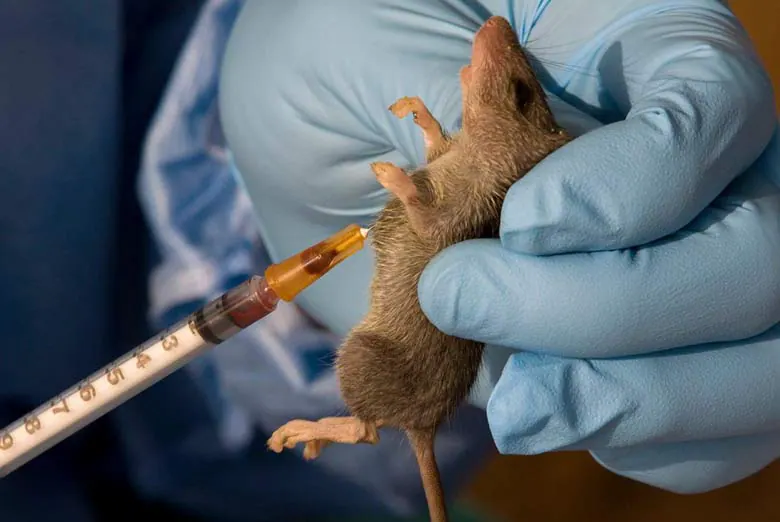
Lassa fever is an acute viral haemorrhagic illness caused by the Lassa virus, primarily transmitted to humans through contact with food or household items contaminated by the urine or faeces of infected rats. The disease can also spread from person to person through contact with bodily fluids. Early diagnosis and prompt treatment are critical to improving survival among infected patients, according to the Nigeria Centre for Disease Control and Prevention.
Key points
- 259 deaths have been recorded from Lassa fever in Nigeria this year.
- The case-fatality rate stands at 23.9 per cent, higher than the 18.6 per cent recorded in 2025.
- Five states account for 87 per cent of all confirmed Lassa fever cases in Nigeria.