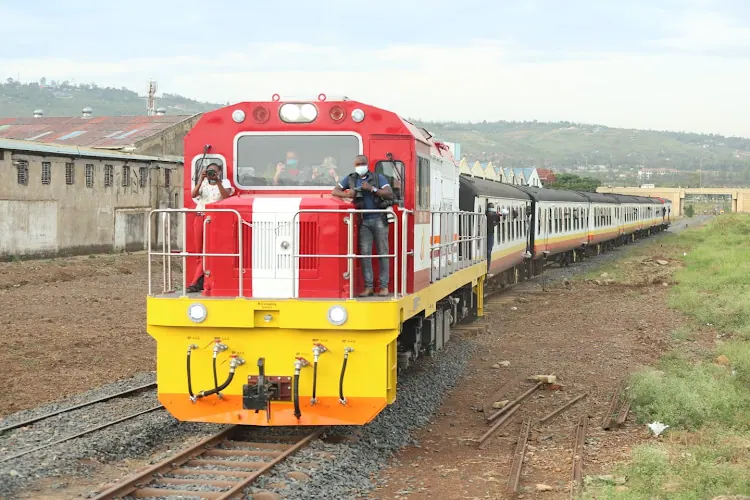
The Lamu Port-South Sudan-Ethiopia-Transport (LAPSSET) Corridor project is one of East Africa's most ambitious infrastructure undertakings. It aims to open up northern Kenya, expand regional trade routes, and establish a seamless transport and energy corridor connecting Kenya, Ethiopia, and South Sudan. The project comprises several strategic physical components across transport, energy, and urban development sectors.
The transport backbone of the LAPSSET project features a high-capacity Standard Gauge Railway line linking Lamu Port to Isiolo, extending onward to Juba in South Sudan and Addis Ababa in Ethiopia. The project also includes an expansive new road network connecting previously isolated northern regions to regional trade hubs. Aviation logistics will be anchored by upgraded international airports at Lamu, Isiolo, and Lokichoggio.
A free port with three initial berths is being developed at Manda Bay in Lamu, designed for container, conventional, and bulk cargo vessels. The port will be fully supported by the Lamu Port Management Building, a police station, staff housing, a health dispensary, and a clubhouse. The project also incorporates dedicated crude and refined oil pipelines running from Lamu to Juba and Ethiopia.
The LAPSSET corridor includes a 120,000-barrel-per-day oil refinery and a modern marine oil terminal at Lamu Port to facilitate tanker loading and offloading. A refined petroleum products pipeline will also link Lamu to the existing Mombasa-Nairobi-Kampala pipeline grid. To power industrial hubs and urban centers along the alignment, the masterplan includes a 1,420-kilometer, 220 kV double-circuit high-voltage electricity transmission line.
Three flagship resort cities are planned at Manda Bay, Isiolo, and along the shores of Lake Turkana to stimulate economic growth and international tourism. Given the scale and potential environmental impact of the LAPSSET corridor, all associated plans, strategic modifications, and sectoral programmes fall under statutory Strategic Environmental Assessment (SEA) regulations.
Public authorities and planning bodies managing LAPSSET-related infrastructure frameworks are required to maintain strict consultation with environmental regulators throughout every implementation phase. Planning authorities submitting LAPSSET-related environmental frameworks must adhere to specific documentation protocols at each step, including screening, scoping, and the draft plan or environmental report stages.
To ensure efficient statutory oversight, all formal SEA notifications, submission documents, and technical inquiries must be directed to the dedicated email address at [email protected] . Upon formal adoption of any plan or programme, the completed SEA Statement (Information on Decision) must be forwarded electronically to conclude statutory compliance. Any subsequent structural or geographical modifications to LAPSSET project plans must undergo mandatory SEA screening, Appropriate Assessment (AA) screening, and related statutory checks.
Key points
- The LAPSSET project is a multi-modal transit network that includes a high-capacity Standard Gauge Railway line, an expansive new road network, and upgraded international airports.
- The project features a free port with three initial berths at Manda Bay in Lamu, designed for container, conventional, and bulk cargo vessels.
- All associated plans and modifications of the LAPSSET corridor fall under statutory Strategic Environmental Assessment (SEA) regulations, requiring strict consultation with environmental regulators.