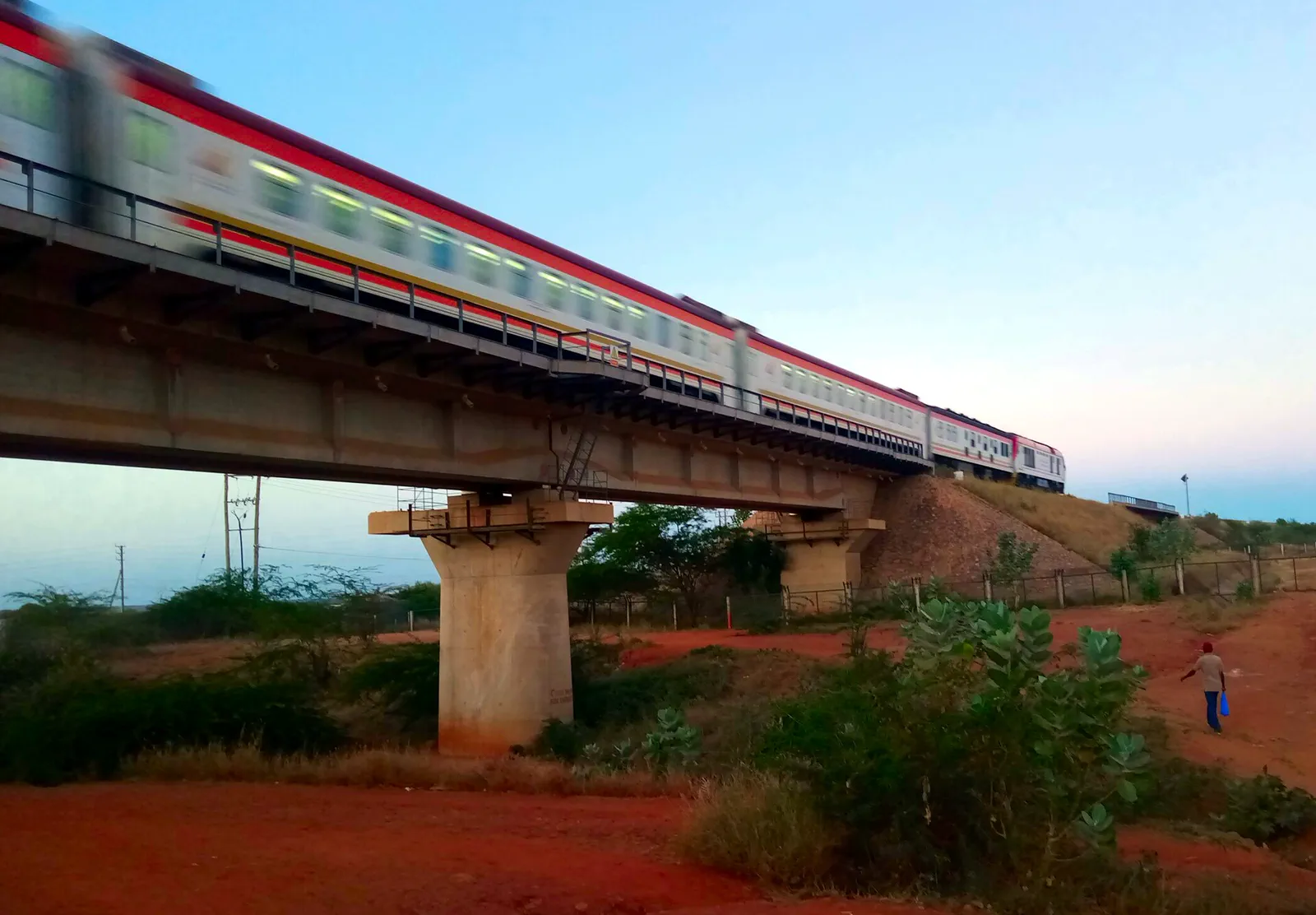
Landowners along the Narok-Bomet-Kisumu stretch of the standard gauge railway in Kenya are set to receive KSh 25 billion in compensation. The National Land Commission is currently conducting public participation sessions to facilitate the valuation and negotiation process with affected landowners. This development comes as construction of the second phase of the railway, known as phase 2B, gets underway. The project aims to connect the Rift Valley region to the rest of the country and the East African region.
The phase 2B stretch covers approximately 98 kilometres in Narok County, passing through Bomet, Nyamira, Kericho, Homa Bay, and Kisumu counties. Kenya Railways Corporation Managing Director Philip Mainga confirmed that the commission has granted the corporation early access to parts of the land, enabling construction to proceed while negotiations with landowners continue. The project is expected to spur economic growth, create jobs, and support small businesses in the region.
President William Ruto launched the construction of phase 2B on March 19, 2026, and the project is expected to take about two years to complete. The Narok station is expected to be partially complete by June 2027. Local residents have expressed support for the project, with Mzee Stephen Ruto of Kapkesosio village stating that the railway will connect Bomet County to the rest of the country and the East African region.
The SGR phase 2B is considered a crucial component of the government's Bottom-Up Economic Transformation Agenda. The project is expected to promote economic growth, create jobs, and support small businesses. The railway will also facilitate the transportation of goods, including tea, coffee, and sugar, to the Port of Mombasa for export. The government has identified logistics hubs and value-addition facilities that will be developed alongside the railway.
The Narok-Bomet-Kisumu stretch of the SGR will have a significant impact on the local economy, with Narok focusing on agriculture, livestock, and tourism. Bomet and Kericho will host hubs centred on tea, while Kisumu is expected to get one for fish, covering storage and movement to other markets. The project is expected to transform the region's economy and improve the livelihoods of local residents.
Kenya Railways Corporation has described the line as the backbone of an SGR Economic Belt. The project will also create opportunities for small businesses and provide jobs for local residents. The government has assured landowners that they will receive fair compensation for their land.
While the project is expected to drive economic growth, there are concerns about the impact on local communities and the environment. The government has assured that all necessary measures will be taken to mitigate any negative impacts. The completion of the project is expected to have a positive impact on the region's economy and improve the quality of life for local residents.
Key points
- Landowners along the Narok-Bomet-Kisumu SGR stretch to receive KSh 25 billion in compensation
- The project is expected to create jobs, support small businesses, and promote economic growth in the region
- The SGR phase 2B is a crucial component of the government's Bottom-Up Economic Transformation Agenda