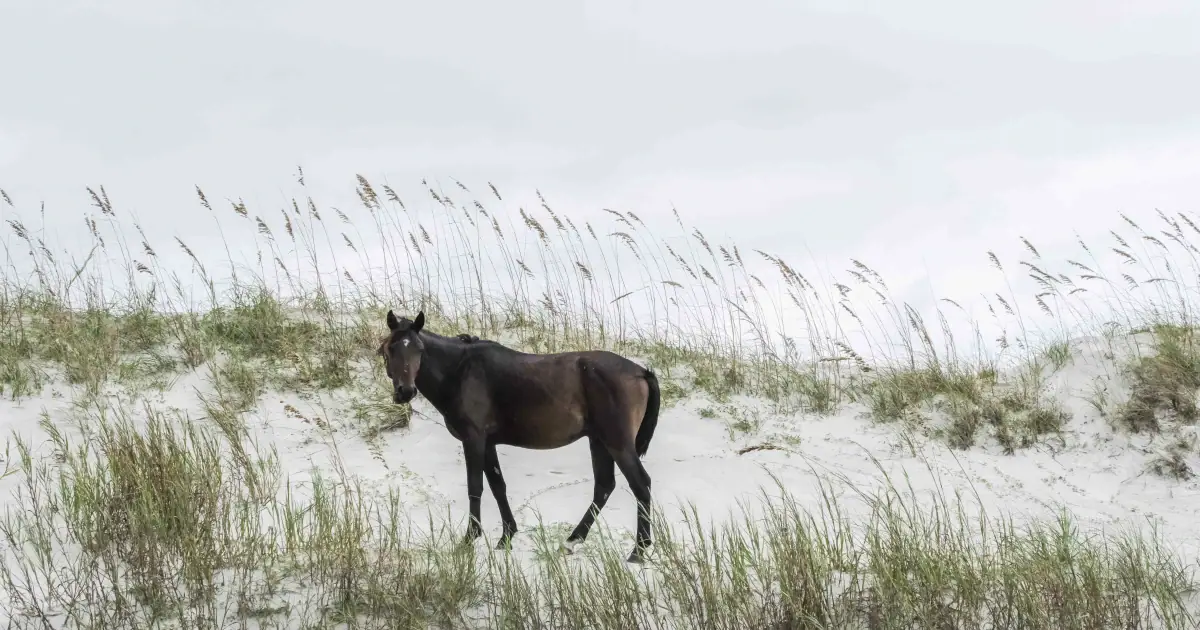
Cumberland Island, an 18-mile barrier island off the coast of Georgia, is known for its pristine beaches, salt marshes, and maritime forests. The island has been managed by the National Park Service since 1972, with approximately 9,800 acres designated as wilderness. The park service has proposed a land swap with the descendants of Thomas Carnegie, a wealthy industrialist who built opulent homes on the island. The proposal would allow for the construction of up to eight new private homes in exchange for parkland.
The land swap proposal has created tension among stakeholders, with some arguing that it would compromise the island's natural and cultural resources. Park Superintendent Melissa Trenchik has defended the plan, stating that it would consolidate private ownership on the west side of the island, allowing the park to better protect sensitive coastal and wilderness areas. The proposal would also allow for the construction of "modest" homes, subject to permanent conservation limits, with a maximum height of 35 feet.
Critics of the proposal, including conservation groups and naturalists, argue that the 15,000-square-foot allowance for homes, including driveways and outbuildings, is excessive. Joseph Manning, an attorney with Defenders of Wildlife, has stated that the proposal is an attempt to privatize public lands, echoing concerns about similar land exchanges under the Trump Administration. Manning sees the proposal as benefiting a select few, rather than the public interest.
The Carnegie descendants, who have a long history on the island, argue that they have been responsible stewards of the land. Barclay McFadden, a great-great-grandson of Thomas Carnegie, has expressed hurt over the portrayal of his family as modern-day robber barons. McFadden stated that his family has protected the island from development, including an opportunity to sell their property to developers in the 1970s. The land swap would allow them to build homes for younger generations.
Other stakeholders, including Native American descendants and naturalists, have expressed mixed views on the proposal. Jamie Ferguson, a cousin of McFadden and unofficial historian of the Carnegie family, trusts his family's legacy of protecting the island. Ferguson sees the land swap as an opportunity for greater visitor access to historical sites, including The Chimneys, where enslaved workers lived on a sea island cotton plantation.
Naturalist Carol Rucksdeschel, who has lived on the island for over 50 years, is a vocal opponent of the land swap. She worries that the proposal is the "first nose under the tent" towards greater development on the island, compromising its natural and cultural resources. Rucksdeschel is also concerned about the park service's plan to double daily visitation to 700 visitors per day, which she believes would strain the island's fragile ecosystem.
The park service received over 12,500 public comments on the proposal, highlighting the complexity and contentious nature of the issue. As the debate continues, stakeholders will need to balance competing interests and priorities, including preservation of the island's natural and cultural resources, private property rights, and public access. The outcome of the land swap proposal will have significant implications for the future of Cumberland Island.
Key points
- The proposed land swap on Cumberland Island has sparked controversy among stakeholders, including conservationists, Native American descendants, and wealthy industrialists' families.
- Critics argue that the proposal would compromise the island's natural and cultural resources, while supporters see it as an opportunity for responsible development and preservation.
- The park service's plan to double daily visitation to 700 visitors per day has also raised concerns among naturalists and conservationists.