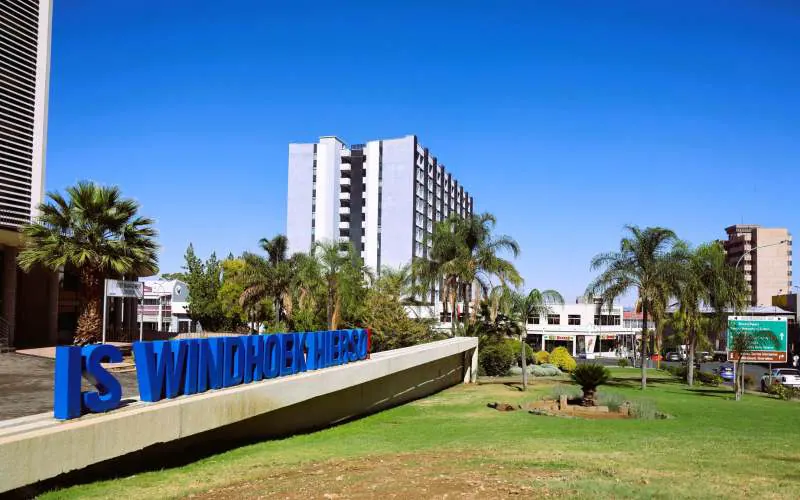
A recent analysis by Simonis Storm reveals that the availability of serviced land has become a significant constraint on Windhoek's building activity. Despite having sufficient capital and labor, construction cannot expand without serviced land. Historically, the gap between building plan approvals and completions has been attributed to subcontractor capacity, materials costs, and developer financing. However, the research house argues that serviced land is the primary limiting factor.
In August 2026, the City of Windhoek confirmed a debt-for-land swap with the state, converting N$357.8 million of historical municipal debt into 423 hectares of land. This arrangement is expected to unlock more than 6,000 residential erven across the Khomas Region. The first phase will release approximately 4,856 plots in Havana and Groot Aub, while a second phase is planned for the Independence Stadium precinct. This initiative aims to support the Sixth National Development Plan's objectives on land access and housing.
The debt-for-land swap is seen as a positive development, as it settles the municipality's liabilities and restores its borrowing capacity. According to Simonis Storm, this move will enable the City of Windhoek to focus on providing essential services to its residents. The swap is part of a larger regional commitment announced in June 2026 by Khomas governor Sam Nujoma, which earmarks over N$1.7 billion for housing, land servicing, sanitation, and water infrastructure during the 2026/27 financial year.
The regional commitment includes significant funding allocations from various government entities. The ministry of urban and rural development has allocated N$750 million for informal settlement upgrading, while the City of Windhoek has set aside N$296.4 million in capital expenditure. Additionally, the National Housing Enterprise has contributed N$82 million, with smaller allocations for boreholes and peri-urban electrification. These funds target 11,226 proposed residential plots across 18 townships.
The combined efforts of the debt-for-land swap and the regional commitment represent over 17,000 proposed plots. However, Simonis Storm cautions that the impact of these initiatives will depend on the pace at which the land is serviced and absorbed into the building pipeline. The research house notes that execution remains a key risk, citing intergovernmental coordination challenges and slow implementation of housing programs.
The ministry of urban and rural development's N$750 million informal settlement allocation has faced coordination challenges, while the municipality's housing programs have delivered only a few hundred units annually against a land waiting list numbering in the tens of thousands. A 20-year water and wastewater master plan, estimated at N$11.72 billion, is also underway to support the broader build-out.
Simonis Storm emphasizes that it will take years to fully service the 11,226 proposed plots and integrate them into the approval pipeline, given Windhoek's current pace of about 150 to 250 approvals per month. The research house suggests that the land initiatives complement recent capital-side developments, including the Government Institutions Pension Fund's real estate mobilisation and funding lines from the National Housing Enterprise.
Key points
- Availability of serviced land is a fundamental constraint on Windhoek's building activity.
- The debt-for-land swap and regional commitment aim to unlock over 17,000 proposed residential plots.
- Execution remains a key risk due to intergovernmental coordination challenges and slow implementation of housing programs.