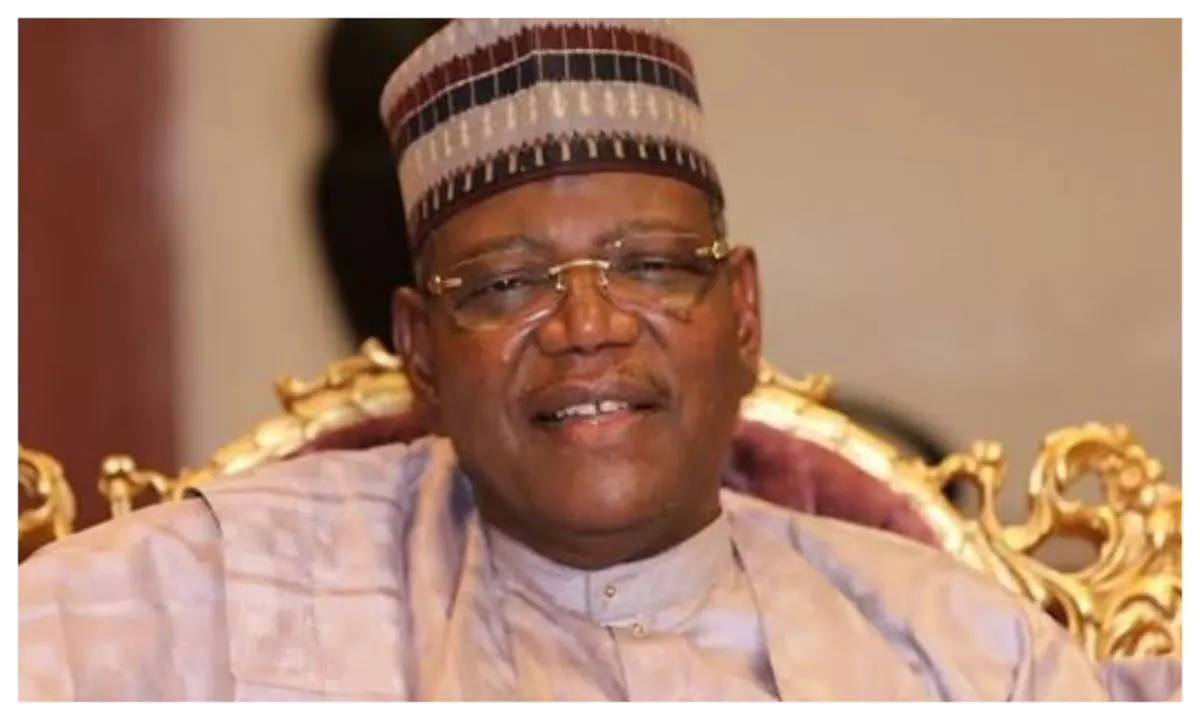
Former Jigawa State Governor and a founding member of the Peoples Democratic Party (PDP), Alhaji Sule Lamido, has expressed concern over the increasing use of Nigerian youths as political labourers by politicians. He made these remarks on Sunday in Dutse, the Jigawa State capital, where he deliberately chose to meet with youths instead of organising a conventional gathering involving political elites. This decision was informed by his concern over the future of the country and the challenges facing younger Nigerians.
Lamido stated that political leaders had failed to provide adequate mentorship and character formation for the younger generation. He noted that leaders had abandoned Nigerian youths in terms of moulding them, character formation, inculcating brotherhood, sisterhood, human empathy, and other values that make human beings. He questioned why leaders couldn't give the younger generation what they were given when they were young.
The former governor expressed concern that youths were increasingly being exposed to political activities characterised by thuggery, hatred, abuse, and disrespect, rather than constructive engagement based on ideas and principles. He observed that some politicians mobilise young people around individuals instead of political principles, which could create unnecessary divisions among youths.
Lamido urged youths across political parties, including the PDP, APC, and ADC, not to regard one another as enemies, stressing that they shared common aspirations and faced similar challenges. He encouraged them to work together, recognising that their shared interests and responsibilities as members of the same generation were more important than party affiliations.
The former governor called on political leaders and other stakeholders to invest in the intellectual, moral, and leadership development of young Nigerians through education, employment opportunities, mentorship, and proper character formation. He noted that previous generations benefited from guidance provided by political leaders, elders, religious institutions, and other societal structures, which helped shape their values and leadership abilities.
Lamido emphasized that the future of the country depended on how effectively youths were prepared to assume leadership responsibilities. He urged the present generation of leaders to provide similar opportunities for young Nigerians, saying that Nigeria could achieve sustainable development if its youths were adequately prepared for leadership based on competence, integrity, tolerance, and national responsibility.
The former governor's remarks highlight the need for a shift in how politicians engage with and develop the next generation of leaders in Nigeria. His call for investment in youth development and a focus on competence, integrity, and national responsibility underscores the importance of preparing young Nigerians for future leadership roles.
Key points
- Politicians are urged to invest in youth development through education and mentorship.
- Nigerian youths are encouraged to work together across party lines.
- The country's future depends on effective youth leadership development.