Lagos State is preparing to deepen private-sector participation in its electricity market with at least 78 megawatts of new or rebuilt power projects under construction, licensing, and development. This development could reshape electricity supply to some of the state’s biggest industrial and commercial centres. The state government will review progress under the Lagos State Electricity Law 2024 and identify fresh investment opportunities at its second Lagos Energy Summit in November.
The summit, scheduled for November 10 and 11, aims to catalyse partnerships capable of producing investment across generation, transmission, and distribution. Commissioner for Energy and Mineral Resources, Biodun Ogunleye, stated that the summit would review the implementation of the electricity law and encourage strategic partnerships. The investments reflect a shift towards decentralised electricity supply, where power is generated closer to major centres of demand.
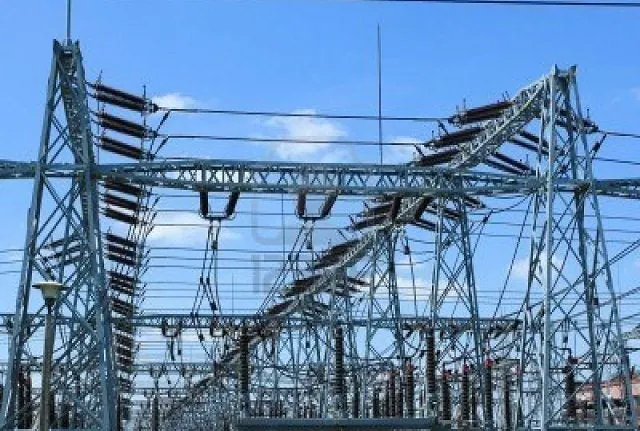
Several projects are underway, including a 26MW rebuild of the Akute Independent Power Plant, a 40MW Victoria Island project with an operating licence, and a $12 million 12MW gas-fired plant under construction in Ogba. These projects represent 78MW of additional or restored capacity. The rebuilt Akute plant will provide dedicated electricity to the Akute Intake, Iju Waterworks, and Adiyan Waterworks, with surplus power expected to move into the Ikeja Electric network.
The emerging projects target some of Lagos’s most important economic clusters. Site work for the Akute plant began in September, with the project being delivered in phases. The 40MW Victoria Island project is scheduled to commence commercial operations in December and will provide dedicated electricity to businesses through a private distribution network.
The Lagos State Electricity Regulatory Commission has approved 14 licences and permits covering off-grid generation, embedded generation, independent distribution, metering, and mini-grid operations. In April, Lagos signed power purchase agreements with three independent power producers, which could help raise electricity generation from less than 60MW to between 200MW and 400MW over the next two to three years.
The economic implications of these developments are significant, with more reliable electricity for factories, offices, waterworks, and commercial centres expected to reduce dependence on diesel and petrol generators, lower operating costs, and improve productivity. The private investment drive could also create opportunities for various businesses, including gas suppliers, engineering companies, and equipment providers.
However, the success of Lagos’s decentralised power strategy will depend on predictable regulation, bankable tariffs, reliable gas supply, viable distribution arrangements, and protection against infrastructure vandalism. The November summit will test whether Lagos can convert its new electricity framework and growing project pipeline into a functioning private power market capable of delivering cheaper, more reliable electricity.
Key points
- Lagos State aims to deepen private-sector participation in its electricity market with 78MW of new power projects.
- The state government will review progress under the Lagos State Electricity Law 2024 at its second Lagos Energy Summit.
- The projects could help raise electricity generation from less than 60MW to between 200MW and 400MW over the next two to three years.