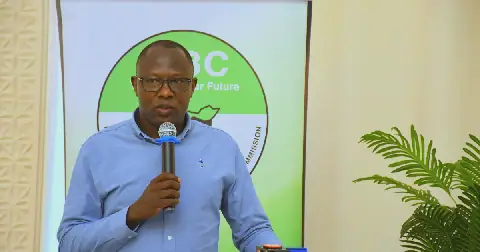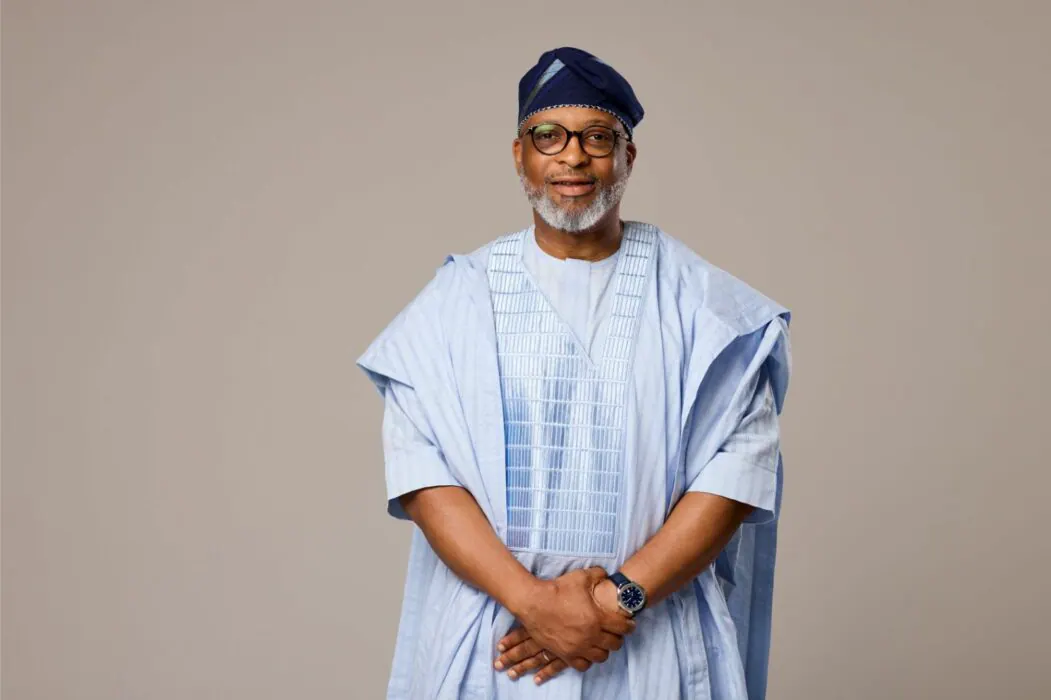
Labour Party's governorship candidate in Lagos State, Rotimi Odunaike, has advocated for a comprehensive restructuring of the state's road transportation system. He emphasized the need to differentiate between criminal elements and legitimate workers who rely on the transport sector for their livelihood. Odunaike's comments were made during an appearance on MiTV's Breakfast Express Show. He proposed a multi-faceted approach to address the long-standing "agbero" challenge in Lagos.
Odunaike suggested that the solution to the "agbero" issue lies in professionalizing, regulating, and digitizing the road transport ecosystem. He acknowledged that while there are criminal elements among the "agberos," many are also drivers, conductors, motor park attendants, and traders. To address this, Odunaike recommended that the government take greater responsibility for managing motor parks. This would enable transport unions to focus on their core professional responsibilities.
The LP candidate proposed a clearer separation of functions between the government and transport unions. He suggested that the government should manage and regulate transport infrastructure, while organizations like the National Union of Road Transport Workers and Road Transport Employers Association of Nigeria focus on driver professionalism, training, cooperatives, and worker protection. This, he believes, would help to reduce abuses and make the transport sector more professional and accountable.
Odunaike also emphasized the need for digitization in the transport sector. He argued that technology and clearer institutional responsibilities could help to reduce abuses while making the transport sector more professional and accountable. By separating functions and making everything digitized, Odunaike believes that things will get better. He also proposed a "connected mobility" framework, which combines intermodal and interconnected transportation systems.
The proposed mobility framework aims to make movement across Lagos more efficient and dignified. Odunaike linked effective reform to the quality of leadership overseeing public institutions. He proposed a governance model that measures manifesto commitments against publicly defined KPIs and scorecards. This model seeks to create a civil service that is transparent, responsive, and empathetic towards citizens.
Odunaike's proposal forms part of his broader argument that Lagos' transportation challenge should be addressed not simply as a traffic problem, but as a question of mobility, dignity, and quality of life. He believes that improving public transportation should ultimately make it easier for Lagosians to access jobs, schools, healthcare, and other essential services. This, he argues, is crucial for the well-being of citizens.
The underlying principle of Odunaike's proposal is that public institutions should exist to serve citizens rather than make citizens feel that they are at the mercy of these institutions. He emphasized the need for transparency and responsiveness in public institutions. With this approach, Odunaike aims to create a more efficient, dignified, and citizen-centric transport system in Lagos State.
Key points
- Odunaike proposes a "connected mobility" framework for Lagos State.
- He advocates for a clearer separation of functions between government and transport unions.
- Odunaike emphasizes the need for digitization in the transport sector.