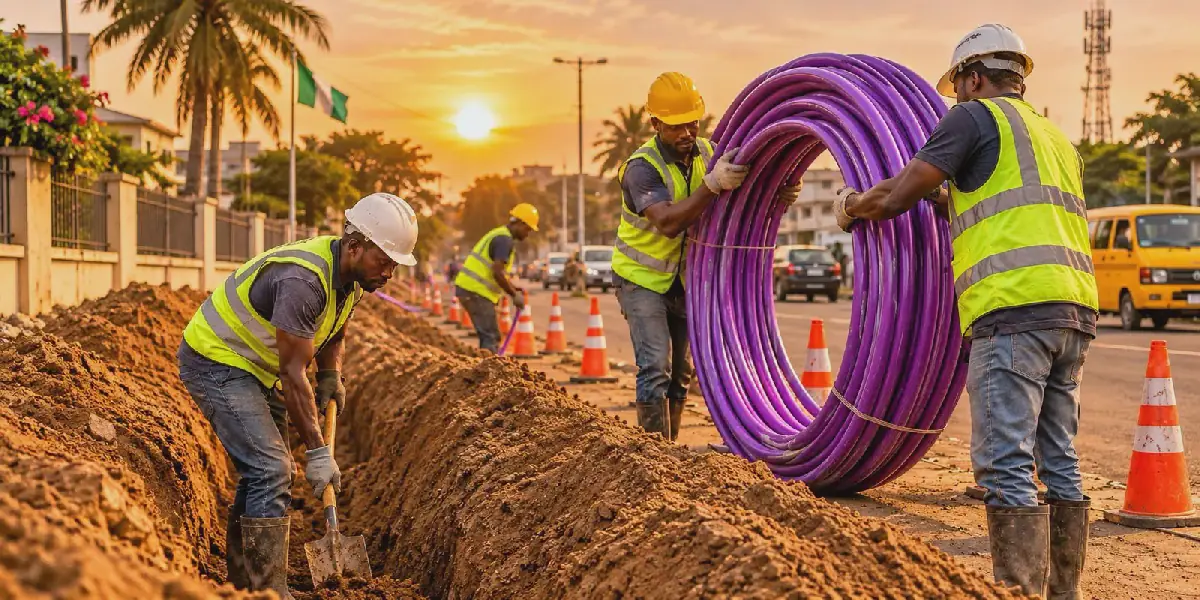
Lagos State is set to significantly expand its fibre-optic network from 2,400km to 6,000km through partnerships with telecoms firms and private partners. This initiative aims to enhance the state's digital infrastructure and support the growth of its digital economy. The expansion will also involve building an enterprise system that links ministries and agencies through application programming interfaces.
In a move to support startups, the Lagos State government plans to reserve 10% of public procurement for these early-stage companies. The goal is to facilitate their participation in state contracts and provide them with a smoother cash-flow experience. Under this plan, startups will be paid within 15 days, which could help alleviate the cash-flow strain often faced by small firms when dealing with government contracts.
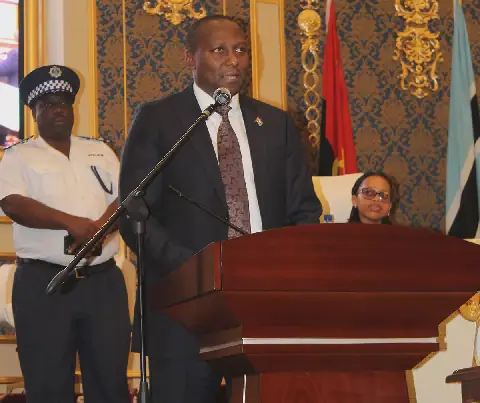
The initiative was announced by Deputy Governor Obafemi Hamzat at a private fintech town hall in Lagos, titled "The Lagos Digital Economy Blueprint: Co-Authoring the Lagos Digital Economy Agenda." The event was organized by MyCard Global and the Fintech Association of Nigeria. Hamzat emphasized that the state's digital economy blueprint is a collaborative effort with industry stakeholders.
Currently, internet access in Lagos State's public schools is uneven, with 680 out of 1,028 schools having internet connectivity. This leaves 348 schools without internet access. The fibre network expansion is a key component of the state's strategy to enhance digital infrastructure and provide more comprehensive connectivity.
The Lagos State government's efforts to boost its digital economy also involve improving data management. For instance, the state has about eight million registered residents, which is below its estimated population. The new initiatives aim to address such gaps and create a more robust digital ecosystem.
Deputy Governor Hamzat's background in energy research also aligns with the state's focus on innovation. His doctoral study, supported by a UK oil firm, resulted in a 33% reduction in energy use in oil output. This experience likely informs his approach to driving innovation and efficiency in Lagos State's digital economy.
The 10% procurement reservation for startups and the 15-day payment target are expected to have a positive impact on the state's entrepreneurial ecosystem. With women running about 54% of the startups that have worked under the scheme so far, the initiative appears to be attracting diverse participation. The success of these initiatives will depend on effective execution and collaboration with industry stakeholders.
Key points
- Lagos State aims to expand its fibre-optic network to 6,000km and reserve 10% of public procurement for startups.
Reporting sources
- Lagos to Expand Fibre Network to 6,000km, Reserve 10% of Procurement for Startups · West Africa News Agency