The Lagos State Government has responded to criticisms that it lacks a sustainable waste management plan and is not addressing the state's flooding challenges. Commissioner for the Environment and Water Resources, Tokunbo Wahab, stated that the government's approach goes beyond emergency refuse evacuation and includes investments in creating a more sustainable waste management system. This response comes after a 2027 governorship candidate made assertions about the state's waste management and flash flood prevention measures during a recent television program.
According to Wahab, Lagos is investing in Modern Transfer Loading Stations, Material Recovery Facilities, recycling, composting, and the Epe waste-to-energy project. The objective is to move away from decades of "pick-and-dump" practices towards a system where waste can be converted into energy and economic value. The commissioner emphasized that it is essential to distinguish between identifying challenges and recognizing the concrete measures being implemented to address them.
Lagos generates an estimated 13,000 to 15,000 tonnes of municipal waste daily. The Lagos Waste Management Authority and Private Sector Participation operators evacuated approximately 418,500 tonnes of waste in May 2026 alone, an average of about 13,200 tonnes daily. Wahab attributed the growing volume of waste partly to the state's expanding population and the daily influx of people into Lagos.
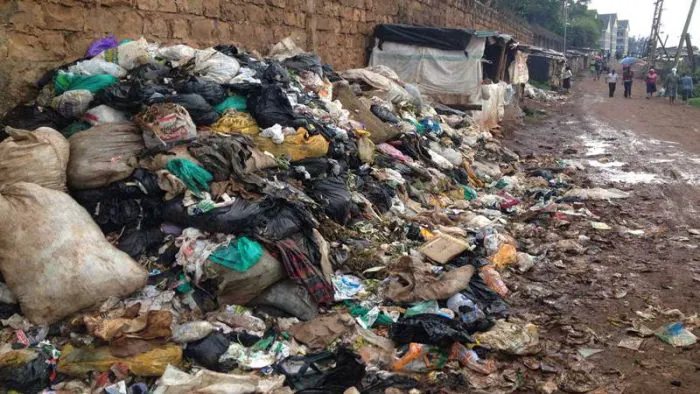
Despite the efforts, Wahab acknowledged that the scale of waste generated does not mean every resident is receiving satisfactory service. He recognized collection failures, underperforming PSP operators, and operational bottlenecks. The commissioner explained that waste management is an interconnected system where delays at disposal facilities can affect truck turnaround times, disrupt collection schedules, and ultimately lead to refuse accumulation in neighborhoods.
On flooding, Wahab stated that the state has invested in drainage infrastructure, pump stations, year-round maintenance, flood abatement operations, restrictions on styrofoam and single-use plastics, wetland preservation, and the removal of structures on floodplains. These interventions have reportedly reduced flooding incidents by 75 to 80 percent statewide. However, Wahab acknowledged that Lagos still faces significant flooding challenges due to its coastal geography, tidal locks, and the growing effects of climate change.
The commissioner emphasized that discussions about the state's environmental challenges should focus on measurable outcomes, including tonnes of waste collected, completed routes, missed collections, complaint resolution, recurring refuse blackspots, and the volume of waste diverted from landfills. The government is also examining whether households have assigned waste collectors, whether operators are adequately equipped, and whether complaints from residents are being addressed.
Wahab concluded that portraying the government as doing nothing ignores ongoing investments, infrastructure development, and operational reforms. He stressed that criticism should be informed by geography, climate realities, and the progress already recorded, not political rhetoric. The commissioner insisted that Lagos still has substantial work to do but is committed to addressing the state's environmental challenges.
Key points
- The Lagos State Government is investing in Modern Transfer Loading Stations, Material Recovery Facilities, recycling, composting, and the Epe waste-to-energy project to create a more sustainable waste management system.
- The state has reduced flooding incidents by 75 to 80 percent statewide through investments in drainage infrastructure and other flood abatement measures.
- The government is strengthening property enumeration, geocoded service locations, GPS tracking, weighbridge measurements, collection records, and recovery data to improve waste management.