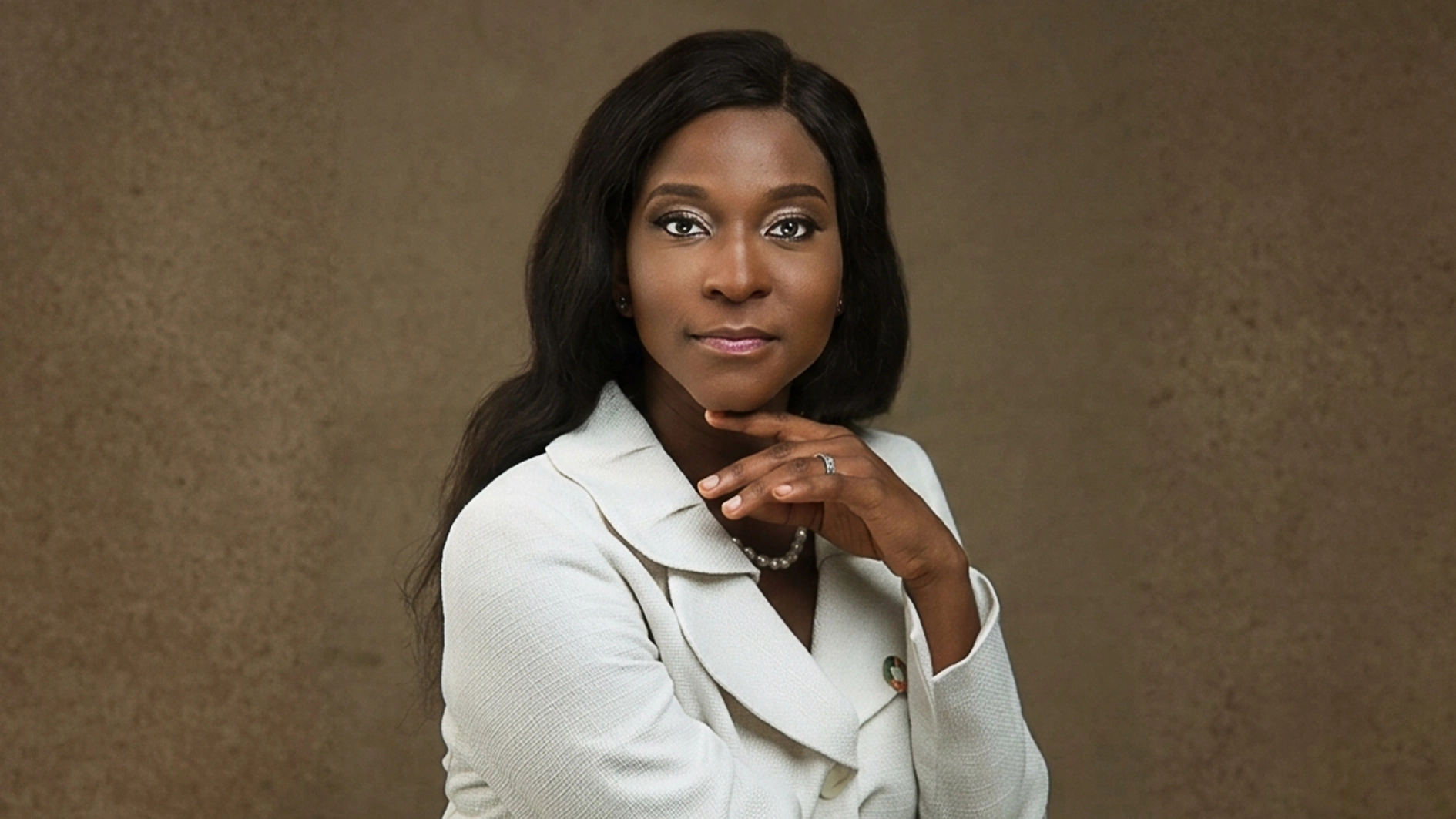
The Lagos State Domestic and Sexual Violence Agency (DSVA) has marked five years of its establishment, with the agency's Executive Secretary, Titilola Vivour-Adeniyi, reflecting on its journey, achievements, and challenges. Since its inception, the agency has been working to provide support to survivors of domestic and sexual violence, while also striving to prevent such incidents from occurring. Vivour-Adeniyi noted that the agency has made significant progress in building a coordinated system to respond to domestic and sexual violence.
When Vivour-Adeniyi assumed office five years ago, the agency faced numerous challenges, including a widespread and deeply underreported problem of domestic and sexual violence. The agency had to build public confidence and create a system where survivors could access protection, psychosocial support, healthcare, and justice. Over the years, the agency has strengthened survivor support and referral pathways, deepened collaboration with stakeholders, and taken prevention into communities and classrooms.
One of the agency's greatest achievements is the shift from simply responding to survivors to also working to prevent domestic and sexual violence from occurring. This has driven the agency's work with children and young people, schools, men and boys, religious and traditional leaders, communities, and other institutions. Vivour-Adeniyi expressed pride in the agency's progress but acknowledged that there is still much work to be done, particularly in institutionalizing prevention across Lagos.
Domestic and sexual violence often thrive in silence, with survivors unwilling or unable to report abuse. However, Vivour-Adeniyi believes that there has been a significant change in how residents understand and respond to these issues over the past five years. There is greater awareness, and people are more willing to have conversations about domestic and sexual violence. Communities are also more willing to intervene, and survivors increasingly know that there are institutions and pathways available to support them.
Despite the progress made, Vivour-Adeniyi noted that silence remains one of the greatest allies of abuse. The agency still encounters families that want to 'settle' serious cases privately, survivors who fear being judged, and communities where harmful behavior is excused in the name of culture, marriage, or family reputation. The agency is working towards a cultural shift where the question changes from 'What will people say if I report?' to 'Why should anyone be allowed to do this without consequence?'
Vivour-Adeniyi shared that behind every statistic is a person with a deeply traumatic experience, and some cases have stayed with her personally. She recalled cases involving children and survivors who have endured abuse for years before finding the courage to seek help. Moments of recovery, such as seeing survivors regain their confidence and rebuild their lives, remind her why this work matters.
The agency has worked to build a system that goes beyond receiving complaints to ensuring survivors get justice, medical care, psychosocial support, and protection. Vivour-Adeniyi emphasized the importance of a multi-agency approach, working closely with key partners to connect the pieces around the survivor. The agency is also conscious of secondary trauma and strives to prevent it by working in a coordinated manner.
Key points
- The Lagos State Domestic and Sexual Violence Agency has made significant progress in building a coordinated system to respond to domestic and sexual violence.
- The agency has shifted its focus from simply responding to survivors to also working to prevent domestic and sexual violence from occurring.
- Despite progress, the agency still faces challenges, including silence and a lack of reporting, and is working towards a cultural shift to prevent domestic and sexual violence.