A growing number of Lagos residents are turning their backs on locally produced fufu, citing concerns about how the popular staple is being processed and preserved across the city. Residents have described experiences that have made it increasingly difficult to trust commercially produced fufu in Lagos, from foreign objects found inside ready-to-eat portions to producers using detergent to wash cassava before processing.
One resident told the News Agency of Nigeria that she discovered a piece of rubber inside fufu she had purchased, a find she described as a turning point that led her family to start making the staple themselves rather than buying from commercial producers. Another resident said he now sources his fufu from outside Lagos entirely, despite being a regular consumer for years, citing concerns over how it is prepared in the city.
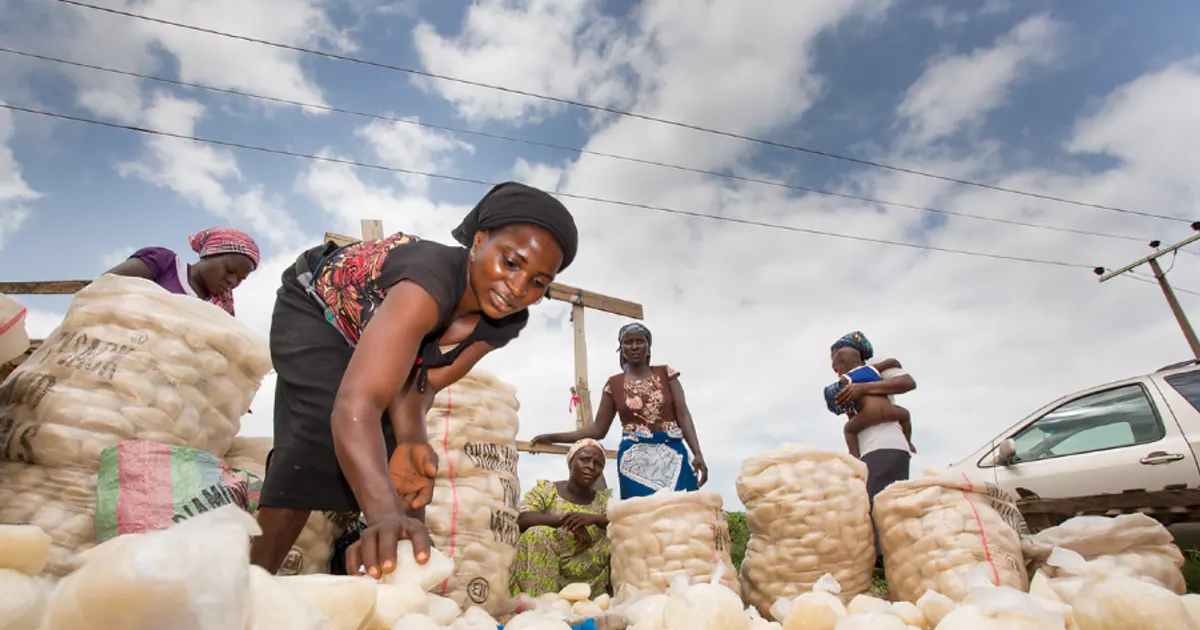
Fufu, also known as akpu or santana, is made from fermented cassava that is soaked for days, blended, strained and cooked into a smooth dough. The fermentation process is critical both for texture and for removing naturally occurring toxins in cassava. Residents told NAN that some producers in Lagos are cutting corners at multiple stages of this process, with some batches sitting unsold for extended periods due to poor preparation and others showing signs of contaminated or rushed processing.
Improperly processed cassava that has not been adequately fermented can retain cyanogenic compounds that are harmful when consumed, making preparation method a genuine health issue rather than just a matter of taste. This has led some residents to make their own fufu or source it from outside Lagos, where they believe it is prepared to a higher standard.
A fufu processor at Santana International in Oyingbo told NAN that cassava at her facility is peeled, thoroughly washed with clean water and soaked for approximately two days before processing, suggesting that proper standards do exist among some producers. However, residents acknowledge that trustworthy producers are still hard to find, and many are calling for greater oversight and regulation in the industry.
The Lagos State Government had not issued any response or advisory on fufu processing standards at the time of writing. In related news, the National Agency for Food and Drug Administration and Control does not have direct regulatory oversight over unbranded palm oil, fufu, and other staple foods packaged and sold in open markets, leaving consumers to rely on trust and reputation when purchasing these products.
Residents are urging greater awareness and action on the issue, with one Agege resident telling NAN that "we still have good processors, but they are few. Everyone should be sure of what they consume." As the situation continues to unfold, it remains to be seen whether the Lagos State Government will take steps to address concerns over fufu processing and restore trust in commercially produced fufu.
Key points
- Some Lagos residents have discovered foreign objects, including rubber, in commercially produced fufu.
- Residents are concerned that some producers are using detergent to wash cassava before processing.
- Improperly processed cassava can retain cyanogenic compounds that are harmful when consumed.