The Lagos State Government and Dangote Industries Ltd. have stressed the importance of domestic refining in driving industrialisation and economic growth in Nigeria. At the third Nigeria Oil Refining Summit (NORS) 2026, held in Lagos, the two entities highlighted the need to leverage domestic refining to create jobs, stimulate new industries, and develop logistics. The summit, themed “Refining For Value: Linking Upstream Supply to Downstream Demand”, brought together regulators, refinery operators, producers, and other stakeholders in the oil and gas value chain.
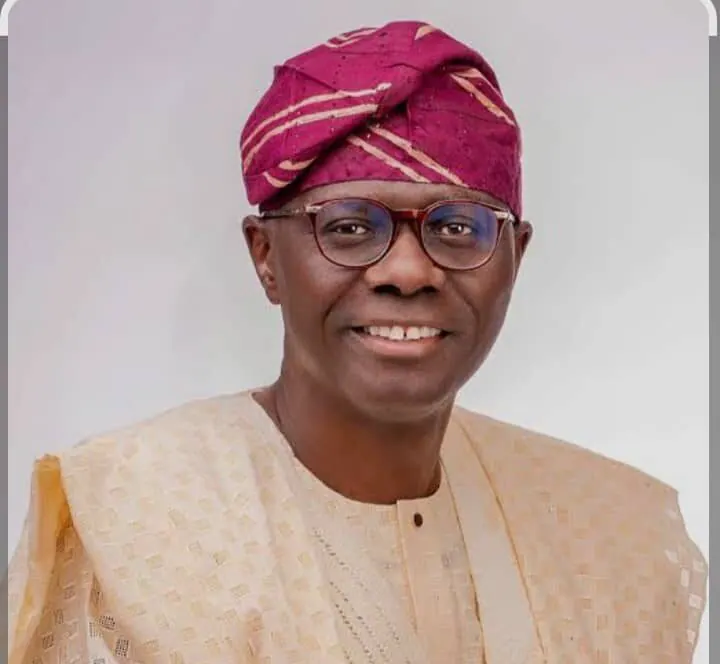
Governor Babajide Sanwo-Olu, represented by Commissioner for Energy and Mineral Resources, Mr. Biodun Ogunleye, noted that Lagos has a vested interest in linking refining with ports, industrial zones, transport infrastructure, and markets. He cited the Lekki Deep Seaport, the Lekki Free Trade Zone, and the Dangote Refinery as projects that should be integrated to support businesses, create jobs, and strengthen supply chains. Sanwo-Olu emphasized that the state’s infrastructure provides an opportunity to connect refining with manufacturing and wider economic activity.
Sanwo-Olu stated that the objective of domestic refining should not only be to refine more crude but to build an ecosystem that strengthens manufacturing, supports businesses, creates jobs, and makes the economy more productive. He highlighted the importance of an integrated approach to refining, which would stimulate new industries and create opportunities for economic growth. The governor’s remarks underscored the need for a strategic approach to domestic refining, one that prioritizes industrialisation and economic development.
Alhaji Aliko Dangote, President of Dangote Industries Ltd., represented by Dr. Hassan Mahmud, Group Chief Economist, echoed Sanwo-Olu’s sentiments. Dangote emphasized that refining must become part of Nigeria’s wider industrialisation strategy, not just its fuel supply strategy. He noted that competitive domestic refining could create jobs, generate taxes, retain foreign exchange, and build industrial capabilities. Dangote highlighted the benefits of processing crude domestically, including additional value creation, job creation, and foreign exchange earnings.
Dangote also identified inadequate infrastructure as a major challenge to increasing refining capacity. He cited the need for efficient pipelines, storage terminals, ports, and distribution systems to move crude and refined products across the country. Dangote criticized the current practice of moving millions of litres of petroleum products predominantly by road, describing it as costly, inefficient, and damaging to infrastructure. He advocated for the development of infrastructure that would support the growth of the refining industry.
Furthermore, Dangote suggested that domestic refineries should develop export capacity to serve markets across Africa and beyond. He emphasized that Nigeria needs several efficient refineries, including large, medium-sized, modular, and specialised facilities, to build a competitive refining industry. Dangote concluded that one refinery cannot create an industry, underscoring the need for a comprehensive approach to domestic refining. His remarks highlighted the importance of a multi-faceted strategy to drive growth in the refining sector.
The Nigeria Oil Refining Summit provided a platform for stakeholders to discuss the challenges and opportunities in the refining industry. The summit brought together experts, regulators, and industry players to explore ways to drive growth and development in the sector. The discussions at the summit underscored the need for a collaborative approach to address the challenges facing the refining industry and to harness its potential for economic growth and industrialisation.
Key points
- Domestic refining is crucial for Nigeria's industrialisation and economic growth.
- Inadequate infrastructure is a major challenge to increasing refining capacity in Nigeria.
- A comprehensive approach is needed to drive growth in the refining sector, including the development of multiple refineries and infrastructure.